
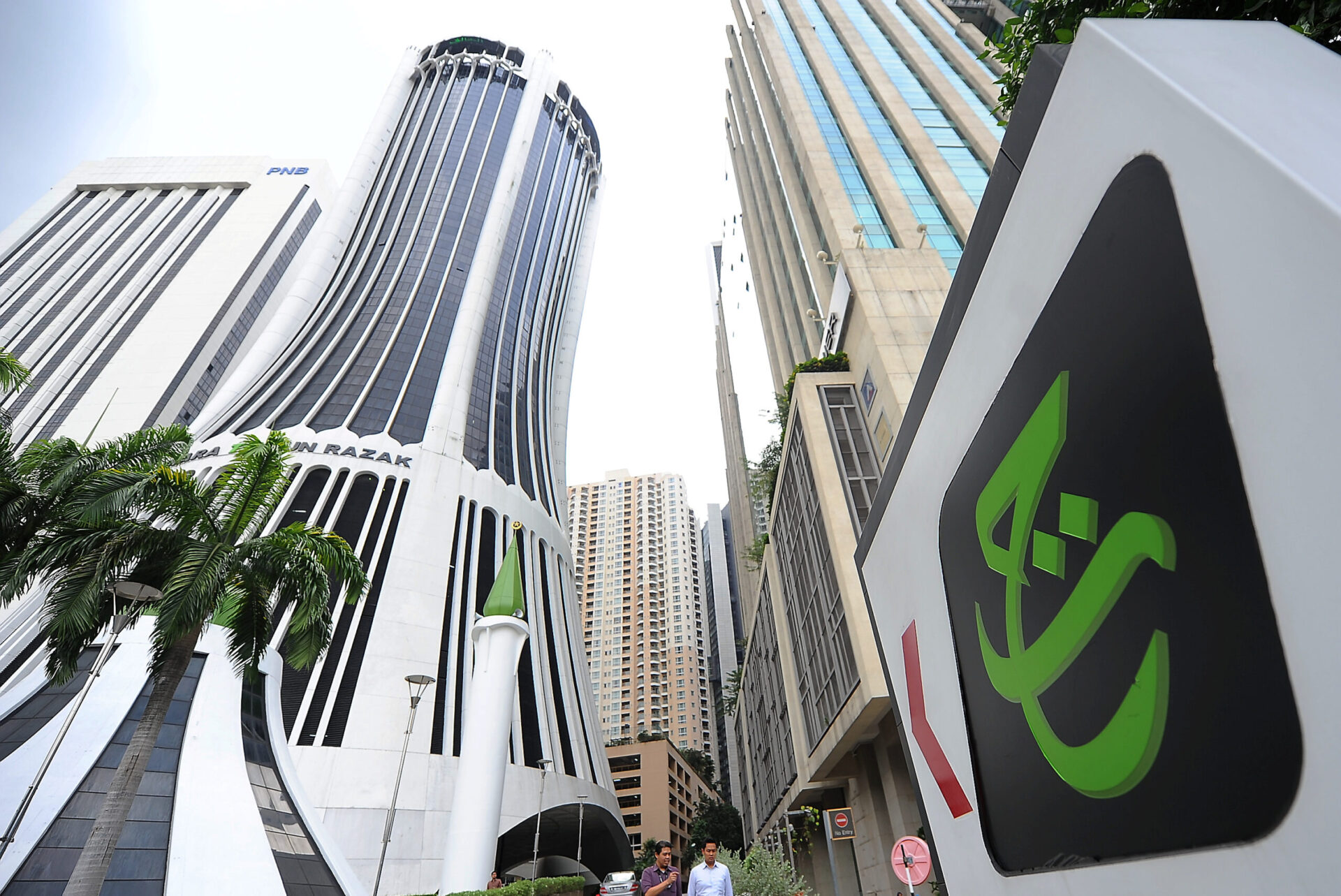
The commission said TH's aggressive approach to paying high hibah from 2014 to 2017, beyond its financial capacity was among the factors that contributed to the fund's financial crisis, according to its report released on Wednesday night. - Bernama file pic, July 30, 2026
‘Creative accounting’ led to flawed RM2.75b Tabung Haji payout, RCI finds
National Audit Department failed to flag unsustainable distributions between 2014 and 2017
Scoop Reporters
Updated 28 seconds ago
30 July, 2026
10:25 AM MYT
KUALA LUMPUR — Lembaga Tabung Haji (TH) should not have declared a 4.50% annual profit distribution (hibah) alongside a 1.75% hajj hibah totalling RM2.75 billion for the 2017 financial year, according to the Royal Commission of Inquiry (RCI).
In its report released on Wednesday night, the commission revealed that TH’s aggressive push to pay high hibah from 2014 to 2017 — well beyond its actual financial capacity — was a primary factor driving the pilgrimage fund into a financial crisis.
The RCI further uncovered that management had engaged in “creative accounting” practices to justify and enable the high payout declarations.
Despite these issues, TH’s financial statements from 2014 to 2017 received unqualified audit opinions, even though the 2017 audit report explicitly contained an “emphasis of matter”.
Audit department criticised
Addressing the 2017 audit, the RCI stated that the National Audit Department (NAD) erred in issuing an unqualified audit opinion, arguing that the issue highlighted under “emphasis of matter” ought to have been classified as non-compliance.
The commission noted that the Auditor-General factored in matters outside the audit scope when evaluating TH’s 2017 statements, reflecting a clear lack of firmness on the department’s part. Furthermore, the NAD failed to raise warnings regarding the unsustainable payouts made throughout the four-year period.
Risk of bank run
The report highlighted that the overly generous distributions depleted TH’s reserves and shifted the fund away from its core mission.
“These high hibah payments attracted depositors seeking higher returns. In meeting those expectations, TH drifted from the objectives for which it was established.
“This exposed TH to the risk of large-scale withdrawals, or a bank run, if the hibah declared was considered too low,” the report read.
This risk materialised in 2019 following the announcement of a reduced 1.25% hibah rate, triggering a visible contraction in deposit levels.
“TH’s deposits declined from about RM73 billion before the hibah announcement to RM69 billion by the end of 2019. TH was fortunate that the withdrawals, and their impact, were smaller than feared,” the report added.
Reiterating its stance, the RCI maintained that the National Audit Department should have formally objected to any hibah declarations that exceeded TH’s financial capability. — July 30, 2026
‘Creative accounting’ led to flawed RM2.75b Tabung Haji payout, RCI finds
National Audit Department failed to flag unsustainable distributions between 2014 and 2017
Scoop Reporters
Updated 28 seconds ago
30 July, 2026
10:25 AM MYT
KUALA LUMPUR — Lembaga Tabung Haji (TH) should not have declared a 4.50% annual profit distribution (hibah) alongside a 1.75% hajj hibah totalling RM2.75 billion for the 2017 financial year, according to the Royal Commission of Inquiry (RCI).
In its report released on Wednesday night, the commission revealed that TH’s aggressive push to pay high hibah from 2014 to 2017 — well beyond its actual financial capacity — was a primary factor driving the pilgrimage fund into a financial crisis.
The RCI further uncovered that management had engaged in “creative accounting” practices to justify and enable the high payout declarations.
Despite these issues, TH’s financial statements from 2014 to 2017 received unqualified audit opinions, even though the 2017 audit report explicitly contained an “emphasis of matter”.
Audit department criticised
Addressing the 2017 audit, the RCI stated that the National Audit Department (NAD) erred in issuing an unqualified audit opinion, arguing that the issue highlighted under “emphasis of matter” ought to have been classified as non-compliance.
The commission noted that the Auditor-General factored in matters outside the audit scope when evaluating TH’s 2017 statements, reflecting a clear lack of firmness on the department’s part. Furthermore, the NAD failed to raise warnings regarding the unsustainable payouts made throughout the four-year period.
Risk of bank run
The report highlighted that the overly generous distributions depleted TH’s reserves and shifted the fund away from its core mission.
“These high hibah payments attracted depositors seeking higher returns. In meeting those expectations, TH drifted from the objectives for which it was established.
“This exposed TH to the risk of large-scale withdrawals, or a bank run, if the hibah declared was considered too low,” the report read.
This risk materialised in 2019 following the announcement of a reduced 1.25% hibah rate, triggering a visible contraction in deposit levels.
“TH’s deposits declined from about RM73 billion before the hibah announcement to RM69 billion by the end of 2019. TH was fortunate that the withdrawals, and their impact, were smaller than feared,” the report added.
Reiterating its stance, the RCI maintained that the National Audit Department should have formally objected to any hibah declarations that exceeded TH’s financial capability. — July 30, 2026


No comments:
Post a Comment