Iran War to Delay Delivery of U.S. Reaper Drones to the Republic of China Air Force
Asia-Pacific , Aircraft and Anti-Aircraft
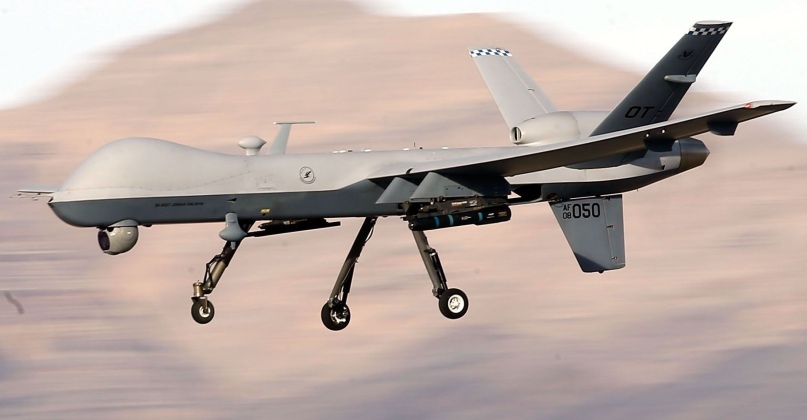
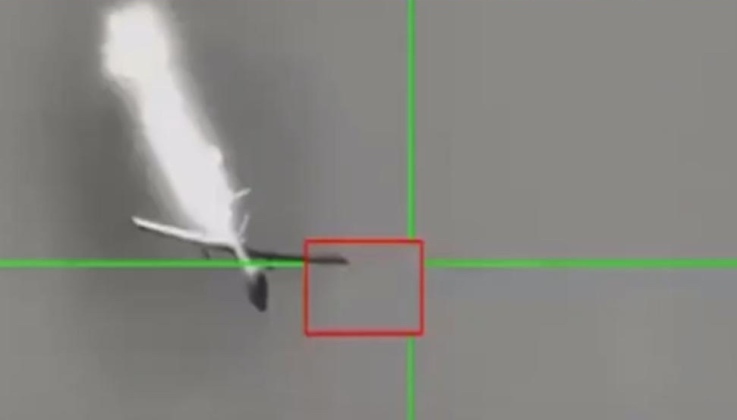
The loss of multiple U.S. Armed Forces MQ-9 Reaper drones during attacks on Iran from February 28 are expected to seriously delay plans to delivery four of the aircraft to the Republic of China Air Force, according to reports from multiple Taipei-based sources, as the U.S. is expected to prioritise urgently replenishing its own losses before continuing exports. An estimated dozen MQ-9 drones have been lost during engagements, following prior sustained losses exceeding 10 aircraft during engagements with Ansurulalh Coalition forces in Yemen from October 2023. Footage and images from Iran have also shown widespread losses of Israeli Heron drones, which are used for many of the same roles, as Israel has been a leading participant in the war effort alongside the United States. The delivery of MQ-9s to the Republic of China Armed Forces was originally scheduled for 2025, but this was postponed to 2026-2027, with the first two aircraft reported to have been slated for delivery in the third quarter of 2026.
The Republic of China Ministry of National Defence purchased four MQ-9B drones in 2020, and allocated 21.7 billion New Taiwan Dollars ($684 million) from 2022 to 2029 to finance the procurement, averaging over $171 million per aircraft. In its latest budget submission to the legislature, the Air Force stated that the MQ-9B can perform maritime and land target surveillance missions during peacetime, as well as tactical reconnaissance of specific targets. In wartime, its real-time reconnaissance capabilities allow for the immediate transmission of imagery for analysis and use, supporting operations, deterring enemy forces, disrupting operational rhythm and actions, and maximising the effectiveness of defensive operations. The aircraft’s demonstrated very limited survivability against adversaries with far more constrained military capabilities, however, have led to expectations that the aircraft would have very little impact in the event of a new Taiwan Strait war.

The U.S.-led assault on Iran has had significant implications for American defence clients across the world, most notably operators of U.S. air defence systems who have widely been asked to return surface-to-air missiles due to the extreme depletion of U.S. arsenals. South Korea has seen its security particularly seriously affected due to the large scale withdrawals of U.S. guided bomb and Patriot and THAAD air defence systems, with the withdrawal of AH-64 Apache attack helicopters in early January also widely speculated to have been related to planned attacks on Iran. Preceding the outbreak of full scale hostilities in the Middle East, U.S. arms supplies to multiple clients, most notably Japan and the Republic of China, had faced serious delays, with new data from the Taiwan Arms Sales Backlog Tracker in December revealing that backlogs to the latter had reached over $21.45 billion. In January, the Japanese government Board of Audit revealed that military equipment worth approximately 1.1 trillion yen ($6.9 billion) purchased from the U.S. under the Foreign Military Sales program more than five years ago had yet to be delivered.


No comments:
Post a Comment