U.S. Withdrew 1000 Guided Munitions From Korea Before Iran War: Urgent Air Defence Withdrawals Under Discussion
Asia-Pacific , Aircraft and Anti-Aircraft
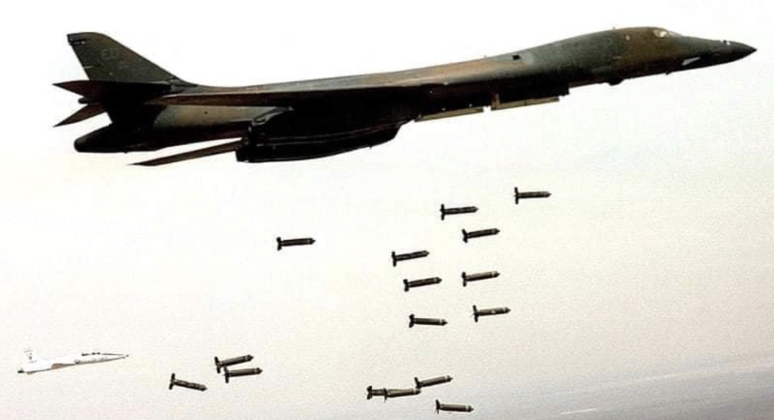
South Korean sources revealed on March 5 that over 1,000 guided bomb kits were shipped to the U.S. mainland from military facilities in Korea in mid-December 2025, as part of what analysts have widely interpreted as large scale preparations for the initiation of a large scale military assault against Iran. These kits consist of GPS or laser guidance devices and control wings, which can be attached to gravity bombs to allow them to strike targets with high levels of precision. Each kit costs $20,000-55,000 making them significantly less costly than other kinds of guided weapons. The utility of such bombs in operations against Iran, particularly in its early stages, is expected to remain limited, however, with the bombs requiring fighters or bombers to overfly their targets, which for the large majority of aircraft would pose very significant risks due to Iran’s deployment of advanced multi-layered air defences. This was highlighted when F-16 and F-35 fighters overflying Yemen were locked on to forced to take evasive action multiple times when flying to close to local air defence systems, despite defences there being far more limited than those over Iran.
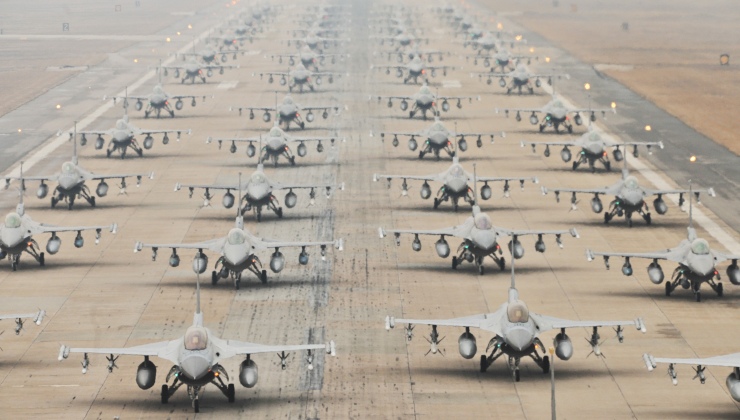
The confirmation of the withdrawal of a large number of bomb guidance kits from South Korea has occurred at a time when talks are actively underway to also withdraw MIM-104 Patriot long range air defence systems for redeployment to the Middle East. South Korean Foreign Minister Cho Hyun on March 6 confirmed U.S. and South Korean militaries are discussing the possible redeployment of some U.S. Army MIM-104 Patriot long range air defence systems based in South Korea to be used in the war against Iran. U.S. Forces Korea declined to comment. Such redeployments would be far from unprecedented, with the U.S. Army between March and October 2025 having redeployed two MIM-104 Patriot long range air defence systems systems and approximately 500 personnel from South Korea to the Middle East. The U.S. was in January also confirmed to have withdrawn its fleet of AH-64 Apache attack helicopters from South Korea, causing considerable concern within the country.
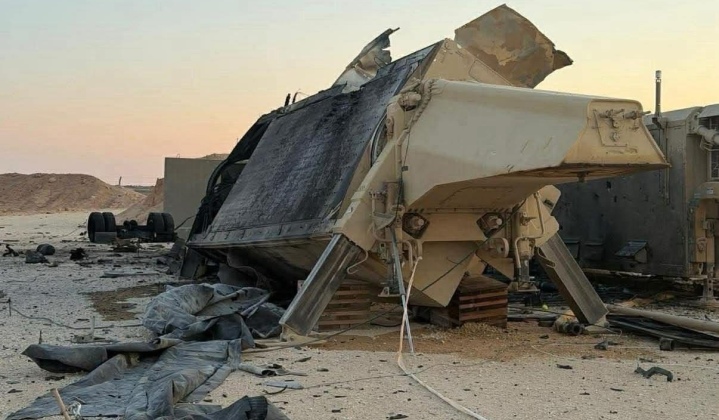
South Korean sources have widely reported that the United States Armed Forces are exploring contingencies for the withdrawal of high value long range air defence systems or redeployment to the Middle East, including not only Patriot, but also the more scarce and higher value THAAD system. South Korea is the only foreign country that hosts a permanent foreign deployment of U.S. Army THAAD systems, which were initiated in 2016. Although it is more likely that the U.S. Army will withdraw only interceptors for THAAD systems to replenish stockpiles in the Middle East, the confirmed destruction of radars, and possible destruction of command posts, or launchers by Iranian forces, could result in these being replaced by subsystems in South Korea. The U.S. Armed Forces field only eight THAAD systems worldwide, several of which have been concentrated in Israel and Jordan.
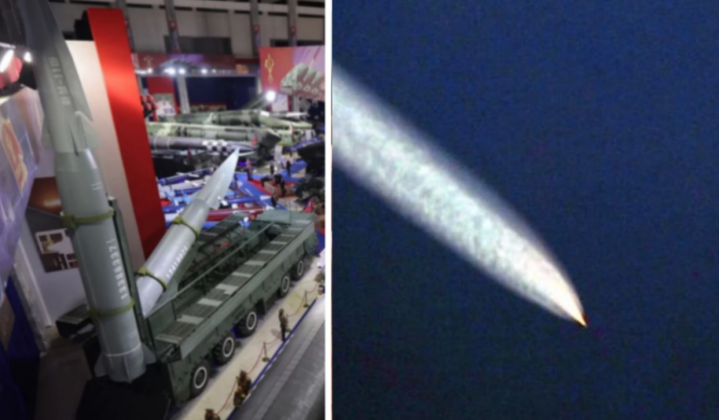
The withdrawal of U.S. armaments has occurred as North Korea has continued to pursue comprehensive modernisation of its armed forces and defence sector capabilities at historically wholly unprecedented rates, with the capabilities of all parts of its forces, other than its fighter fleet, having been totally revolutionised. An assessment by the U.S. Defence Intelligence Agency in mid-2025 concluded that North Korea has reached its “strongest strategic position” in decades, elaborating that the country was confident in “possessing the military means to hold at risk U.S. forces and U.S. allies in Northeast Asia while continuing to improve its capability to threaten the U.S. homeland.” With the United States having initiated no comparable modernisation of its forces in Korea, the balance of power on the peninsula has become increasingly unfavourable for Washington’s interests. The withdrawals of equipment are also occurring at a time of renewed ties between South Korea and China following the landslide election of President Lee Jae-myung on June 3, 2025, who has repeatedly cautioned against tightly aligning with Washington against Beijing or Moscow, and previously criticised THAAD deployments in Korea for derailing ties with China.


Now for Fatso to make his move to take out South Korea
ReplyDelete