
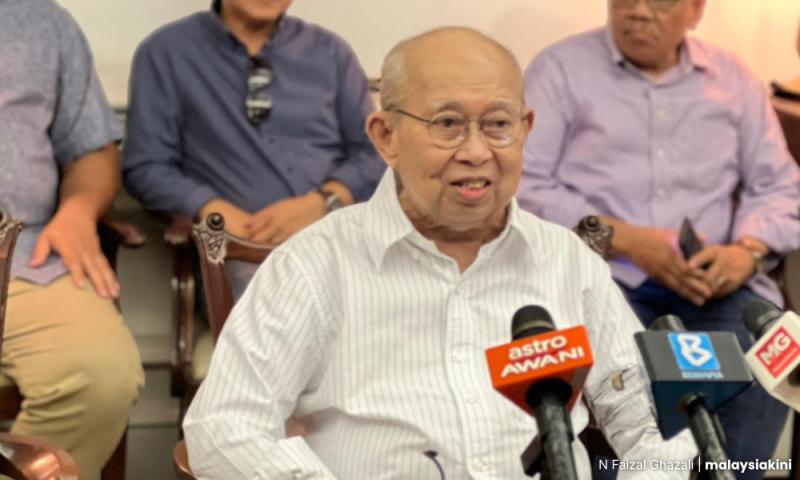

Agong may exercise pardon powers anywhere - Ku Li
N Faizal Ghazali
Published: Dec 25, 2025 10:45 AM
Updated: 4:29 PM
Umno veteran Tengku Razaleigh Hamzah said the Yang di-Pertuan Agong may exercise his constitutional powers anywhere, including in granting pardons outside Pardons Board meetings.
He argued that Article 42 of the Federal Constitution does not restrict where the Yang di-Pertuan Agong may exercise those powers.
“Article 42 of the Constitution is clear about the powers of the Yang di-Pertuan Agong; it doesn’t say whether it has to be in a car, at the palace veranda, or anywhere else - there’s no mention.
“Wherever it is, the Yang di-Pertuan Agong has authority,” he told a press conference in Kuala Lumpur yesterday.
Tengku Razaleigh was responding to questions on the grounds of judgment by Kuala Lumpur High Court judge Alice Wong, who on Monday dismissed former prime minister Najib Abdul Razak’s judicial review, ruling that the Yang di-Pertuan Agong’s addendum decree on house arrest was invalid in law.
Published: Dec 25, 2025 10:45 AM
Updated: 4:29 PM
Umno veteran Tengku Razaleigh Hamzah said the Yang di-Pertuan Agong may exercise his constitutional powers anywhere, including in granting pardons outside Pardons Board meetings.
He argued that Article 42 of the Federal Constitution does not restrict where the Yang di-Pertuan Agong may exercise those powers.
“Article 42 of the Constitution is clear about the powers of the Yang di-Pertuan Agong; it doesn’t say whether it has to be in a car, at the palace veranda, or anywhere else - there’s no mention.
“Wherever it is, the Yang di-Pertuan Agong has authority,” he told a press conference in Kuala Lumpur yesterday.
Tengku Razaleigh was responding to questions on the grounds of judgment by Kuala Lumpur High Court judge Alice Wong, who on Monday dismissed former prime minister Najib Abdul Razak’s judicial review, ruling that the Yang di-Pertuan Agong’s addendum decree on house arrest was invalid in law.
One of the reasons raised was that the addendum decree was made outside a meeting of the Pardons Board.
Tengku Razaleigh said he had heard various views on the matter but maintained there is only one interpretation of the Constitution.
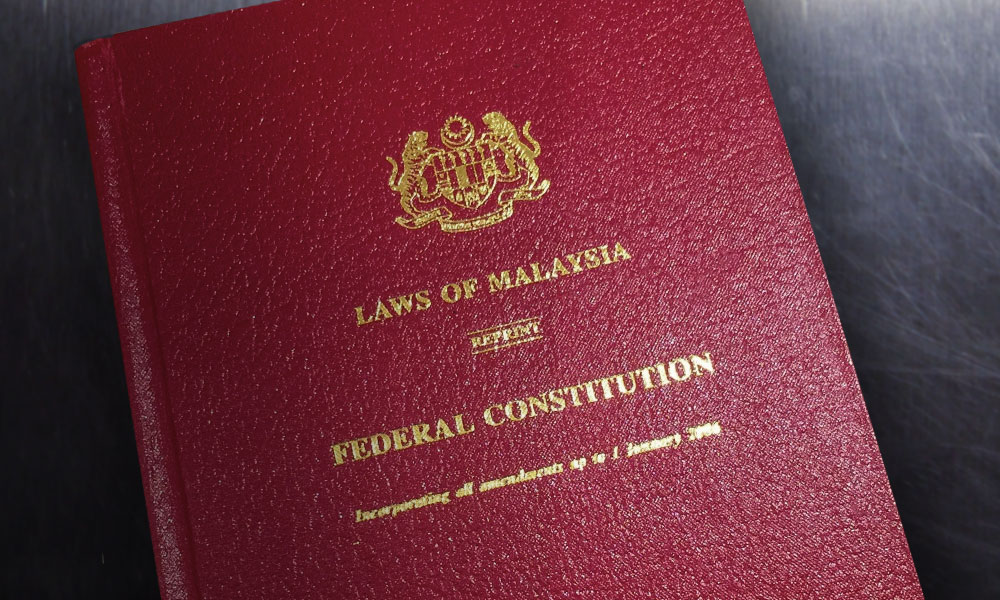
“There are not two interpretations - there is only one interpretation of our Constitution on any matter whatsoever. We acknowledge that the Yang di-Pertuan Agong is number one in the country and is vested with the power to grant pardons, and no one else.
“A sultan may (grant pardons) at his own level, but not at the federal level. If it is interpreted otherwise than what the Constitution intends, then that is incorrect.
“If it is said that the courts are higher than the powers of the Agong, I think that is already wrong. Perhaps it is not right here (in logic),” said the former Gua Musang MP, also known as Ku Li.
Constitutional monarchy
He added that Malaysia practises a system of constitutional monarchy that differs from other countries.
“Our country is unique - unlike England, Denmark, or elsewhere, we are different. All this guarantees that sovereignty is upheld.
“So I see no reason why it should be interpreted differently from what is in our Constitution.
“No one is above the Yang di-Pertuan Agong, and we are obliged to defend that, especially those who have taken an oath as ministers, judges, and administrators. That oath must be respected; it does not depart from what the Constitution intends,” he said.
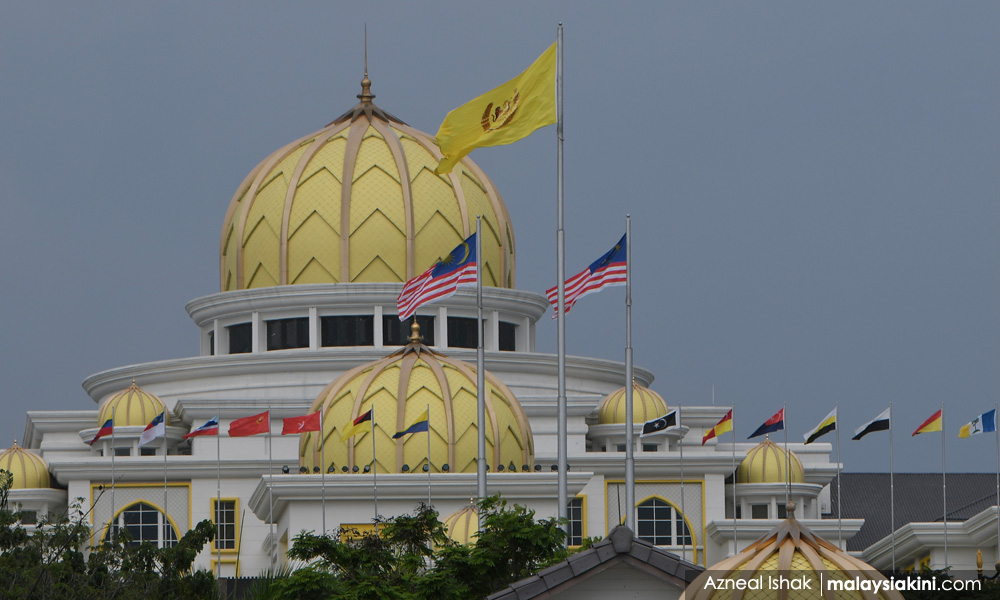
However, Tengku Razaleigh's view on the power of the king to issue a pardon differs from the main position taken by the legal fraternity.
This includes the Malaysian Bar, which argued that the Constitution makes clear that the power to pardon is not a discretionary power held by the king.
According to a court action submitted by the Malaysian Bar last year, it argued that the monarch is constitutionally bound to follow the Pardons Board's advice.
Tengku Razaleigh's press conference was also silent on the fact that the court had dismissed the house arrest bid because there was no legal provision for such a mechanism in Malaysia.
Pardon power
On Tuesday, the Attorney-General’s Chambers said the High Court’s decision in the former prime minister’s case did not in any way diminish the powers of the Yang di-Pertuan Agong, the Malay Rulers, or the Yang di-Pertua Negeri to grant pardons.
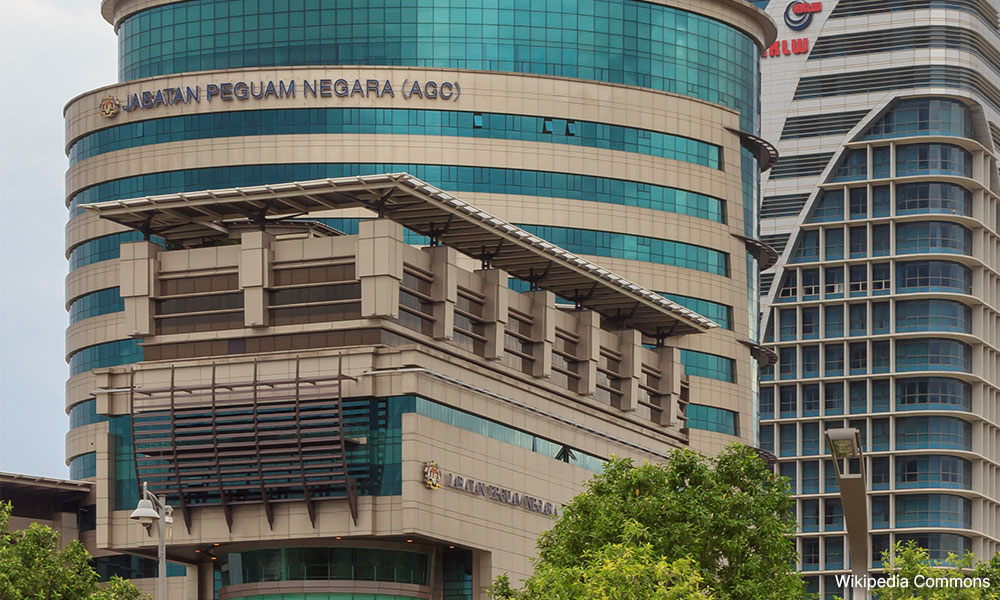
It said the judge, in delivering an oral judgment, also recognised the prerogative powers of the Yang di-Pertuan Agong, the Malay Rulers and the Yang di-Pertua Negeri in matters of pardon.
“This power of pardon cannot be exercised by any other party.
“However, in line with the concept of a constitutional monarchy, the power must be exercised in accordance with the constitutional requirements as provided under Article 42 of the Federal Constitution,” the statement said.


Let the Najib appeals go through the Court of Appeals lah..
ReplyDelete