
The revelation comes two years after Putrajaya announced it was dropping the generational endgame provision which was opposed by big tobacco firms.
December 22, 2025 4:20 PM
December 22, 2025 4:20 PM
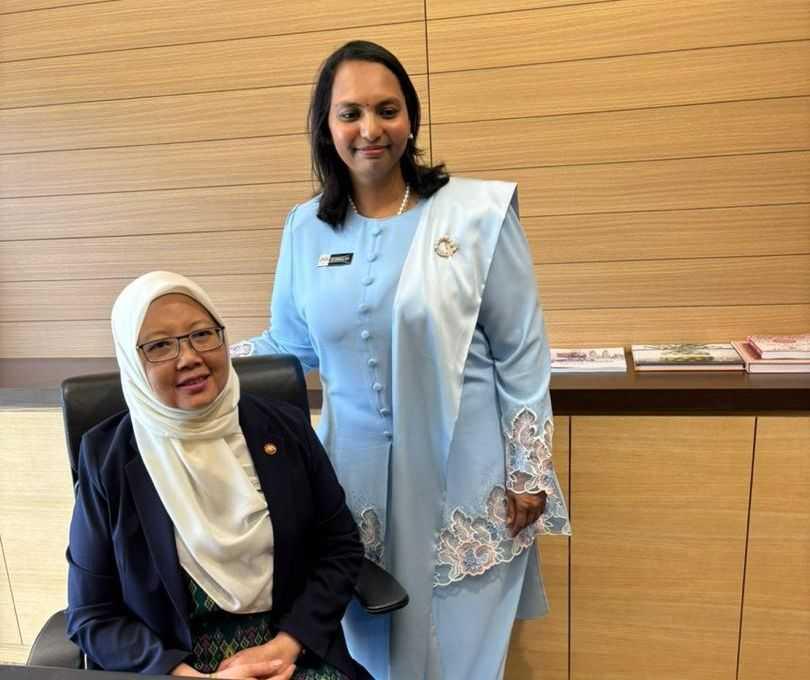
Sivamalar Genapathy (right) claims her former boss Dr Zaliha Mustafa had rejected a RM50 million bribe offer from tobacco companies, but they never reported it to authorities as required by law.
A tribute by a PKR leader to former minister Dr Zaliha Mustafa, who was recently axed from the Cabinet, appears to have sparked a new storm related to a decision by Prime Minister Anwar Ibrahim's government's not to proceed with a law that would have banned the sale of tobacco and vape products to the younger generation.
Sivamalar Genapathy, the deputy PKR secretary-general who served as an aide to Zaliha when she was health minister, revealed a RM50 million bribe offer by tobacco companies in exchange for the government dropping the generational endgame (GEG), which formed part of an anti-smoking bill that was heavily promoted by her predecessor, Khairy Jamaluddin.
"She rejected and ask them to leave. I am the living witness to it," Sivamalar wrote in a Facebook post last week.
Sivamalar further raised eyebrows after she was quoted as telling health news portal CodeBlue that neither she nor Zaliha lodged a report with the Malaysian Anti-Corruption Commission (MACC) or the police regarding the bribery attempt.
"No one could stop us that time. We didn’t want to waste time. We were just focusing on what we were supposed to do," Sivamalar told CodeBlue.
Section 25 of the MACC Act 2009 states that it is an offence for anyone who receives, is offered, or is given a bribe not to report it, and a conviction could result in a fine of up to RM100,000 or imprisonment for up to 10 years.
The latest revelation comes more than two years after Zaliha's ministry announced that the government was dropping the GEG provision in the Tobacco Products and Smoking Bill.
Khairy then "congratulated" big tobacco companies, saying they had succeeded in their lobbying efforts.
"I crafted the GEG for public health. And the bill that I brought to Parliament which contained the GEG and measures to regulate vape sale received support from the public health community," the former health minister had said in November 2023.
A tribute by a PKR leader to former minister Dr Zaliha Mustafa, who was recently axed from the Cabinet, appears to have sparked a new storm related to a decision by Prime Minister Anwar Ibrahim's government's not to proceed with a law that would have banned the sale of tobacco and vape products to the younger generation.
Sivamalar Genapathy, the deputy PKR secretary-general who served as an aide to Zaliha when she was health minister, revealed a RM50 million bribe offer by tobacco companies in exchange for the government dropping the generational endgame (GEG), which formed part of an anti-smoking bill that was heavily promoted by her predecessor, Khairy Jamaluddin.
"She rejected and ask them to leave. I am the living witness to it," Sivamalar wrote in a Facebook post last week.
Sivamalar further raised eyebrows after she was quoted as telling health news portal CodeBlue that neither she nor Zaliha lodged a report with the Malaysian Anti-Corruption Commission (MACC) or the police regarding the bribery attempt.
"No one could stop us that time. We didn’t want to waste time. We were just focusing on what we were supposed to do," Sivamalar told CodeBlue.
Section 25 of the MACC Act 2009 states that it is an offence for anyone who receives, is offered, or is given a bribe not to report it, and a conviction could result in a fine of up to RM100,000 or imprisonment for up to 10 years.
The latest revelation comes more than two years after Zaliha's ministry announced that the government was dropping the GEG provision in the Tobacco Products and Smoking Bill.
Khairy then "congratulated" big tobacco companies, saying they had succeeded in their lobbying efforts.
"I crafted the GEG for public health. And the bill that I brought to Parliament which contained the GEG and measures to regulate vape sale received support from the public health community," the former health minister had said in November 2023.
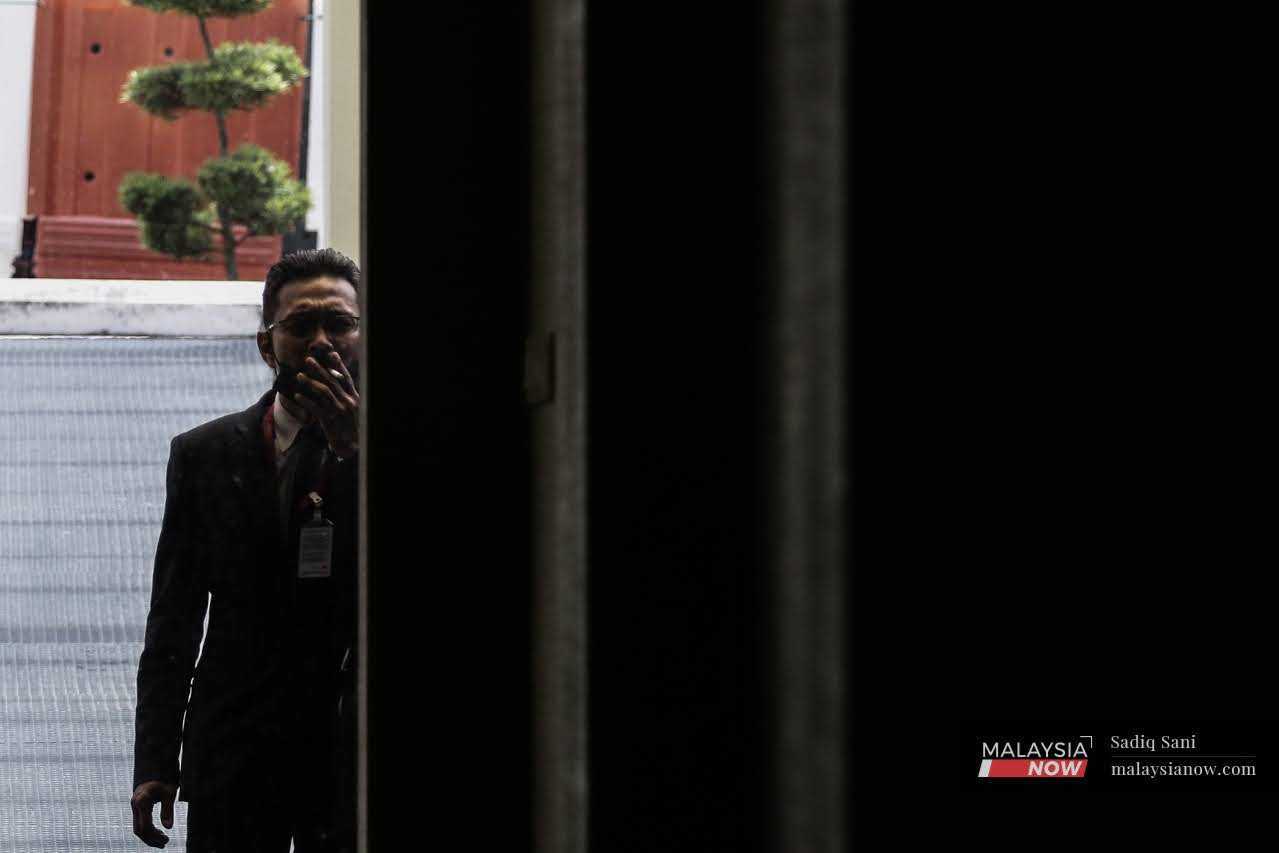
Tobacco lobbyists had visited Parliament building to pressure MPs into abandoning the GEG, a proposed law to ban smoking among the future generations.
The former Umno Youth chief also launched a scathing attack on the government following an admission by Zaliha's deputy, Lukanisman Awang Sauni, that tobacco lobbyists had indeed been present in Parliament.
"Finally, we know the truth, that the decision was made not for the sake of public health, but to succumb to the commercial interests of these companies," Khairy said in his Keluar Sekejap podcast.
The GEG provision had been opposed by Pakatan Harapan MPs even before the coalition came to power in November 2022, including Prime Minister Anwar Ibrahim, who urged the government not to "bulldoze" it through.
It sought to prohibit smoking and the possession of tobacco and vape products for those born after 2007, a move that was expected to bring down the percentage of smokers in Malaysia from 21% to 5% by 2040.
When it was first tabled in the Dewan Rakyat in July 2022, MalaysiaNow reported that representatives from the tobacco industry were present in Parliament to lobby MPs to oppose the bill.
In March last year, the Consumers Association of Penang (CAP) urged the government to set up a royal commission of inquiry into claims that tobacco companies had lobbied MPs inside Parliament.
CAP said the public must be informed of the extent of the infiltration and influence that the lobbyists had on MPs.
"We also want to know who is behind the sabotage of GEG. Unless this corruption of the parliamentary process is prevented, it will open the door for external forces, including foreign governments, to influence the government to serve their agenda," said CAP president Mohideen Abdul Kader.
The government's decision not to implement GEG was in line with an earlier decision by Zaliha to delist liquid or gel nicotine – the main ingredient for vape products – from the Poisons Act, enabling the legal sale of the substance to minors.
The decision sparked protests from anti-tobacco activists and medical groups, including the Malaysian Pharmacists Society, the Malaysian Council for Tobacco Control, and public health group Galen Centre.
The former Umno Youth chief also launched a scathing attack on the government following an admission by Zaliha's deputy, Lukanisman Awang Sauni, that tobacco lobbyists had indeed been present in Parliament.
"Finally, we know the truth, that the decision was made not for the sake of public health, but to succumb to the commercial interests of these companies," Khairy said in his Keluar Sekejap podcast.
The GEG provision had been opposed by Pakatan Harapan MPs even before the coalition came to power in November 2022, including Prime Minister Anwar Ibrahim, who urged the government not to "bulldoze" it through.
It sought to prohibit smoking and the possession of tobacco and vape products for those born after 2007, a move that was expected to bring down the percentage of smokers in Malaysia from 21% to 5% by 2040.
When it was first tabled in the Dewan Rakyat in July 2022, MalaysiaNow reported that representatives from the tobacco industry were present in Parliament to lobby MPs to oppose the bill.
In March last year, the Consumers Association of Penang (CAP) urged the government to set up a royal commission of inquiry into claims that tobacco companies had lobbied MPs inside Parliament.
CAP said the public must be informed of the extent of the infiltration and influence that the lobbyists had on MPs.
"We also want to know who is behind the sabotage of GEG. Unless this corruption of the parliamentary process is prevented, it will open the door for external forces, including foreign governments, to influence the government to serve their agenda," said CAP president Mohideen Abdul Kader.
The government's decision not to implement GEG was in line with an earlier decision by Zaliha to delist liquid or gel nicotine – the main ingredient for vape products – from the Poisons Act, enabling the legal sale of the substance to minors.
The decision sparked protests from anti-tobacco activists and medical groups, including the Malaysian Pharmacists Society, the Malaysian Council for Tobacco Control, and public health group Galen Centre.


Yes, Yes, person who is offered a bribe and does not report it is also committing an offence.
ReplyDelete