
Ukraine Unlikely to Produce U.S. Patriot Missiles as Technology Hurdles Remain High
Eastern Europe and Central Asia , Missile and Space
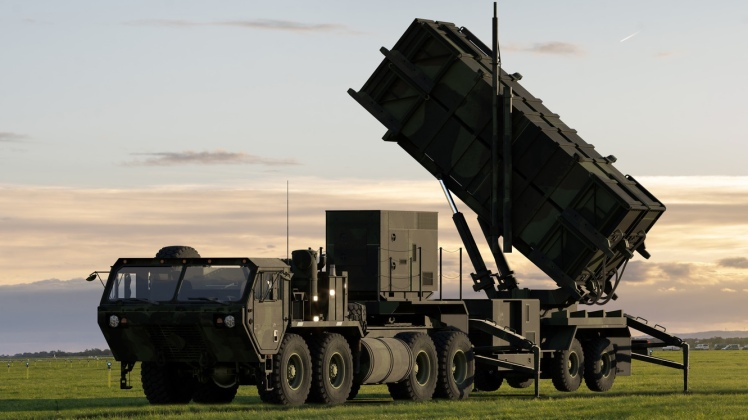
United States President Donald Trump has cast doubt on whether the U.S. will allow Ukraine to manufacture missile interceptors from the MIM-104 Patriot system domestically, despite having earlier pledged to grant production licenses during the NATO Summit in July. Speaking in an interview published on July 30, Trump stated that he was "not sure" the United States should permit production of one of its most advanced missile defence systems in the Eastern European country, citing concerns over transferring sensitive military technology. The uncertainty comes as Ukraine and its European security partners continue pressing for greater access to Patriot interceptors following a sustained increase in Russian ballistic missile strikes.
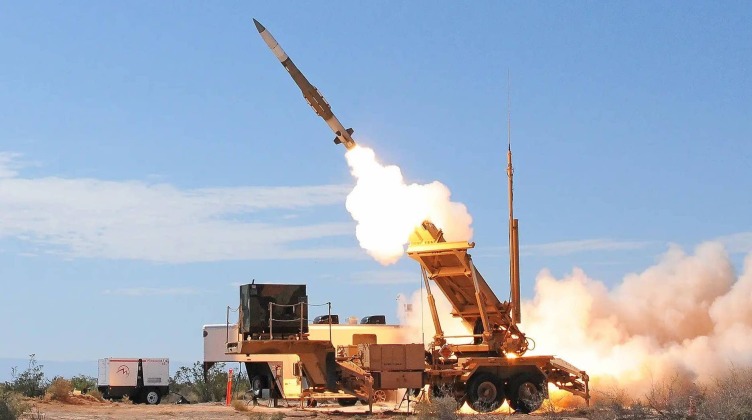
Significant questions have been raised regarding the viability of producing highly complex Patriot interceptors in Ukraine, with industry officials and defence analysts having informed the British media outlet Reuters in July that the technical, industrial and security challenges involved meant production was far more likely to begin in Germany or another European NATO member, before eventually moving to Ukraine in peacetime. Sources cited by Reuters stressed that even with U.S. approval, production remains a highly complex undertaking, posing challenges even for much more stable and developed countries.
Patriot missiles contain sophisticated radar seekers, guidance electronics, rocket motors and advanced software that depend on tightly integrated international supply chains. Manufacturing many of these components requires specialised facilities that do not currently exist in Ukraine, while sensitive technologies would require separate export approvals beyond a general production licence. Boeing, which manufactures key components used in Patriot interceptor guidance systems, is unwilling to authorise production of some of the missile's most technologically sensitive elements outside the United States. According to reports citing industry sources, the principal obstacle concerns licensing production of missile seekers, which are among the most sophisticated components of the Patriot system. Without access to these technologies, any Ukrainian production line would remain heavily dependent on imported American components regardless of licensing agreements.
Patriot interceptor production has struggled to keep pace with rapidly expanding operational requirements. Demand has increased simultaneously due to continuing supplies to Ukraine, the replenishment of U.S. stockpiles amid operations in the Middle East, and growing procurement by security partners across Europe and Asia. Reports from multiple Western sources confirmed on March 5, 2026, that the United States Army had expended over 800 interceptors from Patriot systems during just five days of engagements with Iranian forces. The result has been an increasingly strained production base despite major Pentagon investments intended to expand manufacturing capacity.
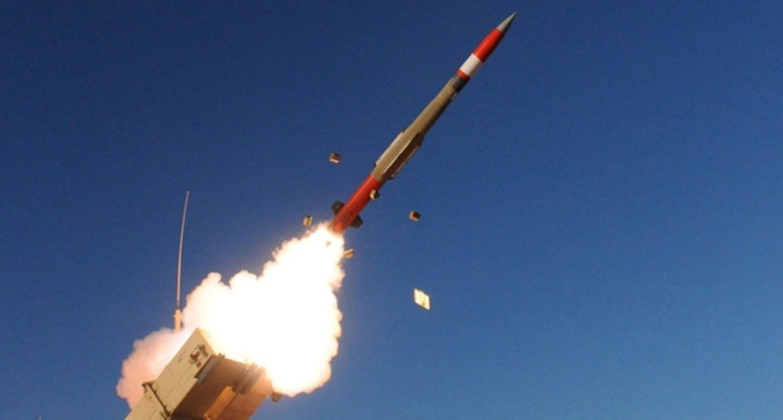
The Pentagon has sought to address these shortages through unprecedented procurement programs, with the U.S. Army having in July awarded Lockheed Martin a contract worth up to $58.6 billion to produce PAC-3 MSE interceptors for the systems. Shortages have been sufficiently severe that the United States was in March forced to request supplies of interceptors to replenish after extreme depletion of the Army’s arsenal in the war’s initial days, with the Polish arsenal being the only one in NATO that was not severely depleted. Poland rejected these requests, however, and instead sent interceptors from its stockpiles to Ukraine.


Only Putin could pull this off: an oil and gas superpower is now importing gasoline from Africa
ReplyDeleteA shipment of around 30,000 tonnes of AI-92 gasoline has arrived at the Russian port of Murmansk from Tangier, Morocco. According to Reuters, the supplier was Lukoil, and the fuel is already being offered for onward transport by rail.
Russia has been forced to seek gasoline abroad after Ukrainian drone strikes hit its oil refineries. Seaborne deliveries had previously begun from India, while fuel was also purchased from Kazakhstan and Belarus.
https://x.com/nexta_tv/status/2083578501018320986?s=46&t=8K6fzabO3g6uaj4KxwSSjg
Military Watch wishful thinking.. for sure it will take time and struggle, but Military Watch's Russians have repeatedly been shocked by the speed and creativity of Ukrainian technical innovation, driven by their determination to defend their independence and territorial integrity.
ReplyDeleteAnother 2.5% Knocked Out….
ReplyDeleteUkrainian long-range drones struck the oil refinery in Saratov, Russia this morning.
It provides Russia with 2.5% of its total refining capabilities.
The refinery is now engulfed in flames
https://x.com/visegrad24/status/2083884080865693884?s=46&t=8K6fzabO3g6uaj4KxwSSjg
The collapse of RasPUTIN’s Empire.
ReplyDeleteFree Free Haishenwai.
Free Free Occupied Donbas
Free Free Occupied Crimea
Free Free Kaliningrad
Garry Kasparov:
I would bet a considerable sum that in 10 years, Russia will not exist in its current borders.
I hope it will happen sooner, because it's not that people ask me, do you want Russia to collapse? It's not about whether I want or not. It's going to happen.
You have China growing, and it will be greatest beneficiary of the collapsed Russian empire.
And I think during our lifetime, we'll see the end of Russian empire.
Putin will continue this assault. And I think that there's a very big chance that unless Europe decides, Europe acts decisively. I think the chance that he'll cross NATO borders, Estonia, Latvia, maybe Lithuania, Poland, just for a small incursion using drones, I think the chance are growing, because Putin needs a winning narrative - @Kasparov63
https://x.com/gerashchenko_en/status/2083840322795151629?s=46&t=8K6fzabO3g6uaj4KxwSSjg