The U.S. Has Burned Through Over $2.4 Billion Worth of Patriot Missile Interceptors in Just Five Days of War with Iran
North America, Western Europe and Oceania , Missile and Space
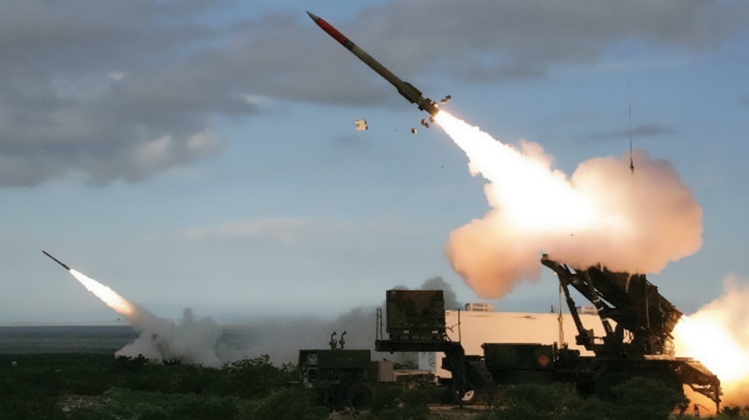
Reports from multiple Western sources confirmed on March 5 that the United States Army has expended over 800 anti-ballistic missiles from MIM-104 Patriot long range air defence systems during just five days of hostilities with Iran, after the U.S and Israel both launched a large scale attack against the country on February 28. This exceeds the total estimated number of Patriot interceptors launched throughout the entire Russian-Ukrainian War, in which the Patriot has been operated for close to three years, and is estimated to have furthered worsened the already very severe shortage of interceptors available. Patriot interceptors cost approximately $3 million each, with costs varying depending on the types of interceptors in use. The PAC-3 MSE interceptor, for example, costs the U.S. Army approximately $3.9 million, although it has been sold abroad for $6.25 million.
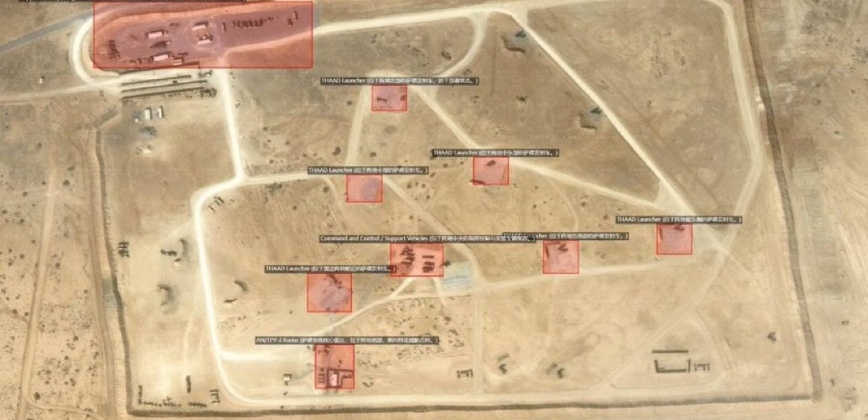
The very large size of Iran’s ballistic missile arsenal has left the Patriot system’s ability to provide a sustained defence in serious question, with the system’s reliability against even more basic Iranian strikes having also proven to be questionable on multiple occasions. Al Udeid Air Base in Qatar, which is the primary facility to which U.S. Army Patriots were forward deployed, was shown in satellite footage to have taken major damage from Iranian ballistic missile strikes. Shortages of Patriot systems were already acute before hostilities with Iran began, with the U.S. Armed Forces confirmed in July 2025 to have seen their supplies fall to just 25 percent of the volume deemed necessary by the Pentagon following both large scale donations to Ukraine, and combat use against Iran in June. This has fuelled widespread speculation from both Western and South Korean analysts that the U.S. Army will very likely seek to withdraw interceptors, and possibly complete systems, from Korea to restock its supplies in the Middle East, if it has not already done so.
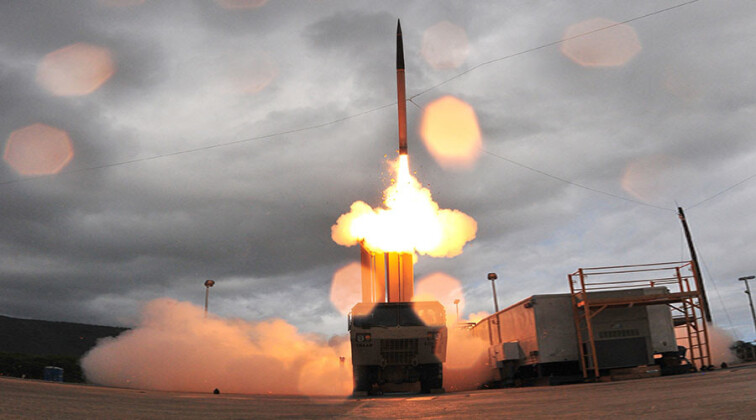
The U.S. Army has suffered from even more acute shortages of THAAD anti-missile interceptors, which are considerably more costly at approximately $15.5 million, and were procured in much smaller numbers. During much lower intensity Iranian strikes on Israel in June 2025, which were launched in response to Israeli attacks on the country from June 13, the U.S. Army expended over 150 anti-ballistic missile interceptors from the THAAD system during 11 days of conflict. This represented over 25 percent of the Army’s total arsenal deployed around the world. The current conflict has seen THAAD not only operate with much higher intensity in Israel but also be deployed to two separate countries, with one battery deployed in Jordan in January. Although inventories of missiles for THAAD were not depleted in other conflicts, as those for the Patriot were in Ukraine, there is also a much smaller pool of foreign operators and other foreign deployments to draw supplies from, with the only foreign operators, Saudi Arabia and the United Arab Emirates, requiring the systems to defend against Iranian strikes on U.S. bases on their own territories.
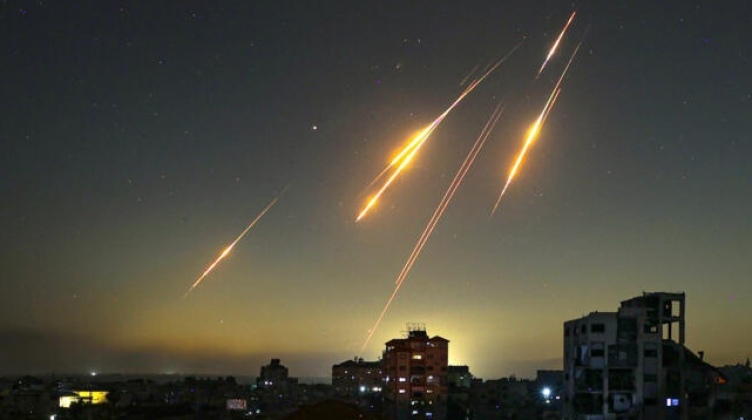
The Patriot system previously saw by far the most intensive combat use in its history in the Ukrainain theatre from May 2023, although its effectiveness was widely questioned by both Western and Ukrainian officials. The U.S. Army in December 2025 confirmed plans to develop a new variant of the Patriot, which is by far the most revolutionary since the system was first introduced into service in 1981, and will gain a 360 degree targeting capability that Russian, Chinese and North Korean systems have long had. The program’s initiation has been widely assessed to be a response to the system’s recently demonstrated shortcomings. The extreme costs of expending hundreds of interceptors form the Patriot and THAAD systems is likely to have been one of the most expensive aspects of operations against Iran in terms of direct weapons depletion, and one which will undermine U.S. and allied capabilities across multiple theatres in which the systems are relied on.
***
Germany’s Extreme Depletion of Patriot Air Defences and Lack of New Supplies Leaves it Highly Vulnerable Amid Tensions With Russia
North America, Western Europe and Oceania , Missile and Space
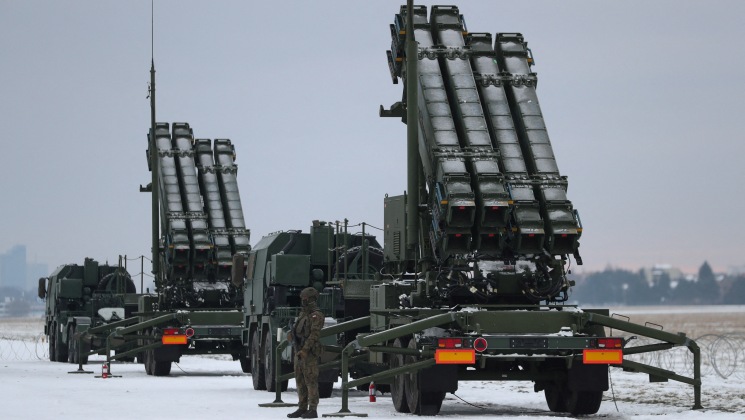
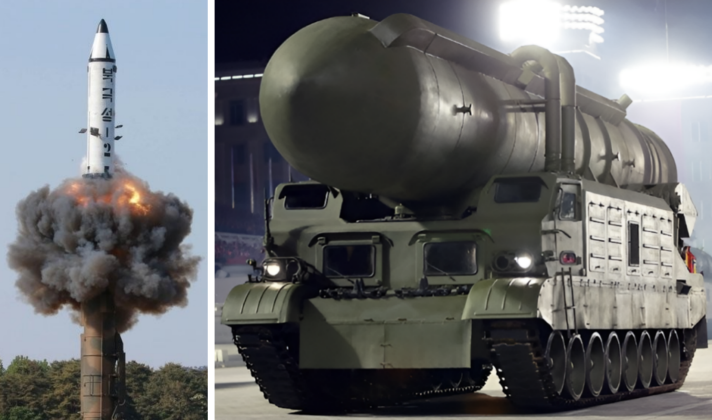
German officials speaking to the Wall Street Journal have warned that the country has been left poorly protected against potential air or missile attacks due to the transfer of military systems, and particularly MIM-104 Patriot long range air defence systems, to Ukraine. The issue has been exacerbated by the more recent deployment of remaining Patriot systems to protect Poland on NATO's eastern flank from late 2025. This has occurred at a time of high tensions with Russia, and after the German Army on May 22, 2025, inaugurated the 45th Armoured Brigade stationed in Vilnius, Lithuania, to provide an elite forward deployed mechanised warfare capability just 150 kilometres from the Belarusian capital Minsk, and less than 800 kilometres from Moscow. It also closely follows Russia’s development of multiple types of medium and intermediate range cruise and ballistic missiles capable of striking German territory, and its procurement of Pukkuksong-2 ballistic missiles from North Korea.
Germany was alongside the Netherlands and the United States one of the first three countries to donate Patriot systems to Ukraine in early 2023. In April 2024 German Foreign Minister Annalena Baerbock confirmed the exhaustion of the country’s capacity to make further donations, stating: “Unfortunately, the stocks, especially our own Patriot systems, are now pretty much exhausted. Therefore I made it clear at a NATO foreign ministers’ meeting that we need to check the availability of all Patriot systems in Europe and globally, and that we will make every effort to obtain these systems for Ukraine.” The deployment of systems to Poland the following year, however, placed domestic defences under even further strain. The rapid destruction of Patriot systems by Russian forces in Ukraine has meanwhile ensured that demand for additional systems for frontline operations remains high.
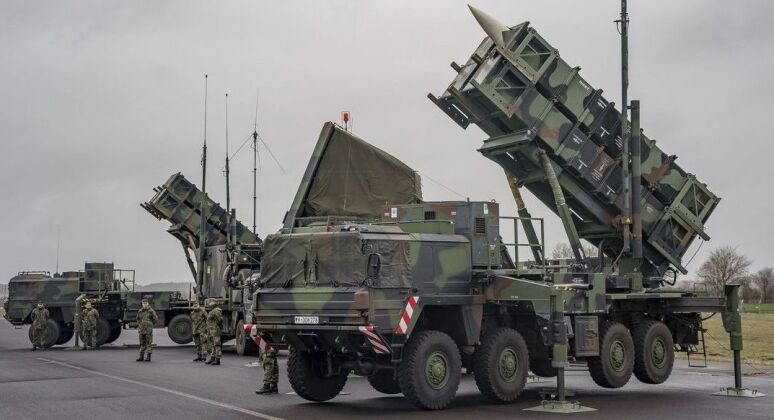
Although the German Defence Ministry ordered eight new Patriot systems from the United States in 2024 to replenish systems donated to Ukraine, with these costing $2.33 billion each, these are not expected to be delivered for the foreseeable future. With the U.S. Army’s own stockpiles of interceptors for the systems having fallen critically low, new production is expected to be prioritised for the U.S. Army, and potentially for the Republic of China Army. The U.S. Armed Forces confirmed in July 2025 that their own supplies had fallen to just 25 percent of the volume deemed necessary by the Pentagon, following both large scale donations to Ukraine, and combat use against Iran in June. Reports from multiple Western sources confirmed on March 5, 2026, that the United States Army has expended over 800 anti-ballistic missiles from the systems during just five days of engagements with Iranian forces. While the U.S. is expected to withdraw much needed interceptors for Patriot and THAAD systems from bases in South Korea, it is also likely to request resupplies from the Patriot’s remaining foreign operators, seriously limiting the possibility of significant numbers of new interceptors being delivered to Germany until at least the early 2030s


And how many innocent lives and property have been protected had the Patriot missiles not intercepted the IRGC threats on all their neighbours?
ReplyDeleteAnd how effective have the Russian & Chinese air defense system been and how many aircraft have they shot down? Telur.
mfer, when u r doing comparison, didn't yr mentor ever told u to do an apple to apple chart?
DeleteOoop… just tak tau, vis-a-vis using limited & costly Patriot missiles to intercept cheap & numerous suicidal drones & mothballed missiles
Isaac is protecting the Arab countries that demand a state for Palastins!!!
ReplyDeleteSo Kind!!!
Get this: In coordination with Gulf governments, Israel Air Force is taking out Iranian missile launchers aimed at Gulf countries.
Let it sink in: Israel is defending Arab countries against Islamist Iran regime.
Isaac is protecting the Arab countries??? wakakaka, are you a comedian too?
DeleteHere is my “joke”….ha3
ReplyDeleteThe UAE received more misais from IRGC than Isaac, fortunately they have Isaac-supplied Elbit defence system, which shot most of them down. Otherwise Burj Khalifa will be no more.
https://www.middleeasteye.net/news/uae-was-secret-buyer-billion-dollar-israeli-defence-deal-report
Wakakaka… mfer does a check to she if that Isaac-supplied Elbit defence system of UAE is still functioning!
DeleteGullible mfer