Murray Hunter
Jul 05, 2026
The implications of electoral fraud on the Johor State Election
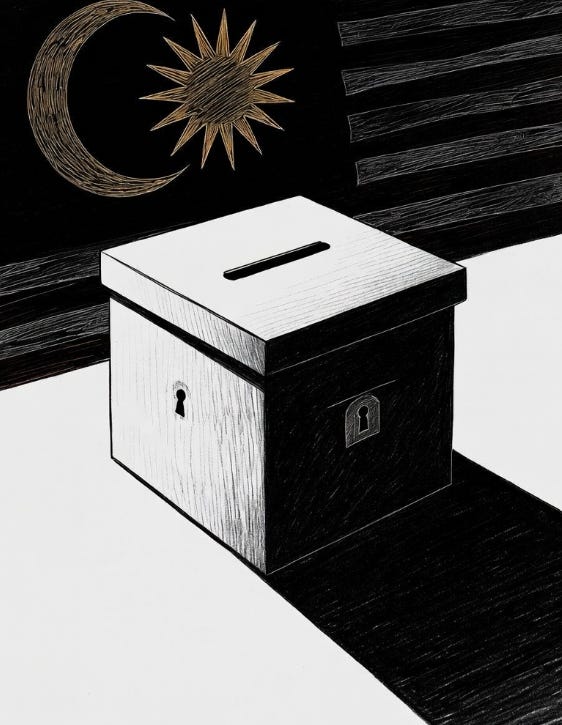
Information about an attempt to organize electoral fraud in the coming state election has come to my attention. This is a long-planned intervention which could be carried out by a contracted group who would work with elements within the civil service, sympathetic to the party’s cause. What is not known at this stage is which party is involved. The only thing that is known this party will be able to gain cooperation of select people on the ground.
Malaysia’s electoral system has long been a subject of debate, with critics alleging systemic advantages for the incumbent through irregularities in voter rolls, alongside more direct claims of manipulation. As Johor prepares for its state election, concerns about potential irregularities have resurfaced, echoing patterns observed in past national and state polls. While no single party holds a monopoly on such accusations, opposition figures have also faced scrutiny over campaign practices.
Malaysia’s electoral framework dates back to its independence era, with the Election Commission (EC, or SPR) tasked with managing voter rolls, constituency delineation, and polling. Early decades saw relatively smoother processes, but criticisms intensified as the Barisan Nasional (BN) coalition, dominated by UMNO, consolidated power.
Key issues included malapportionment (unequal voter numbers across constituencies, often favoring rural, Malay-majority areas that traditionally support BN/UMNO) and gerrymandering (redrawing boundaries to concentrate or dilute opposition votes). These practices have allowed coalitions to secure parliamentary majorities without winning the popular vote. In the 2013 general election (GE13), BN won 133 seats despite receiving only about 47% of the popular vote, while the opposition Pakatan Rakyat secured a plurality of votes.
A landmark controversy is Project IC (or Project M) in Sabah during the 1980s–1990s under Prime Minister Mahathir Mohamad. A Royal Commission of Inquiry later examined allegations that hundreds of thousands of Muslim immigrants (primarily from the southern Philippines and Indonesia) were granted citizenship and identity cards to bolster BN’s voter base in the state, shifting its demographic balance. This “citizenship-for-votes” scheme allegedly turned Sabah into a BN stronghold. Similar claims of imported or “phantom” voters have persisted.
Possible
Methods of Alleged Electoral Manipulation
Observers, including groups like Bersih (Coalition for Clean and Fair Elections), PEMANTAU, and international monitors, have documented recurring tactics:
Phantom and Duplicate Voters: Inflated or manipulated electoral rolls with deceased individuals, duplicates, or non-residents listed. In GE13 and prior polls, opposition strongholds reported names missing or unauthorized registrations. The EC has faced accusations of poor maintenance of rolls, enabling “phantom voting.”
Allegations of busing or flying supporters (sometimes from Sabah/Sarawak) to marginal constituencies. In 2013, claims included chartered flights for voters, including foreigners.
Concerns over multiple voting, improper handling of postal ballots (often from military/police), and timing issues that disadvantage overseas or urban voters. It should be noted that the dipping of a finger of a voter in ink at the time of voting has eradicated this type of voting fraud.
In GE13, blackouts occurred in several opposition-leaning counting centers, raising suspicions of tampering during tallying.
Over the years, independent observers have frequently described Malaysian elections as “partially free but not fair.”
Johor is an historically BN/UMNO stronghold with significant economic importance (including Iskandar Malaysia development), has seen competitive politics. The upcoming polls feature contests involving PH, BN, and others amid federal-state dynamics and royal influence.
Current concerns of informers mirror historical ones. There are reports of campaign offences (e.g., illegal posters), digital sabotage, fake accounts spreading misinformation, and warnings from ministers about deepfakes or coordinated online efforts. Muda has raised specific allegations of election offences.
While these appear lower-level so far (hundreds of complaints, mostly posters), vigilance is urged regarding voter rolls, polling-day logistics, and potential “phantom” activity in tight seats. This is were any attempts to sway the election with voter fraud could occur. Only a few hundred to a couple of thousand votes in these seats will be enough to alter the electoral outcome.
People must be aware.


No comments:
Post a Comment