
PAS-Bersatu rift may fracture Perikatan Nasional coalition to point of no return
Analysts warn that the opposition coalition could face severe electoral consequences if internal tensions continue escalating ahead of key state polls and the 16th General Election
Updated 3 hours ago
Published on 24 May 2026 2:52PM
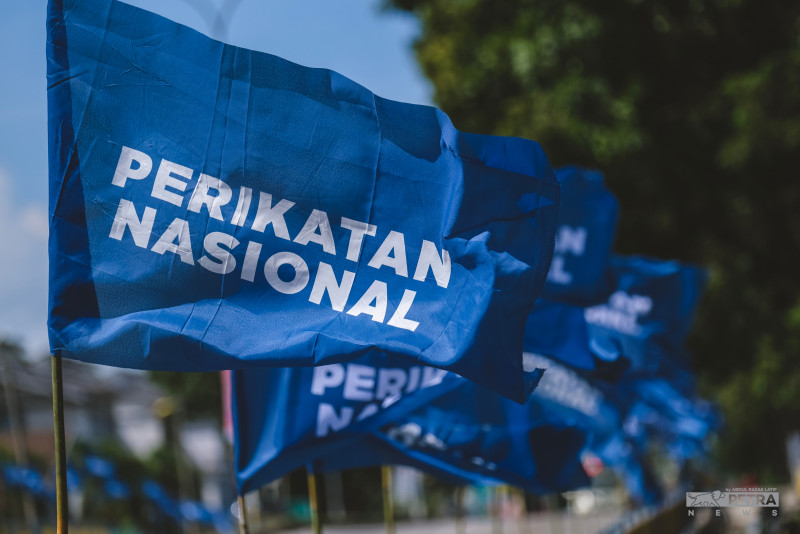
Growing hostility between PAS and Bersatu intensifies fears of a major split within Perikatan Nasional on mounting threat of political fragmentation - May 24, 2026
PERIKATAN Nasional (PN) is facing one of its most serious internal crises since its formation, as worsening tensions between PAS and Bersatu raise questions over the long-term stability of the opposition bloc ahead of looming state elections and the 16th General Election (PRU16).
Political observers said the latest dispute, fuelled by growing distrust between the coalition’s two largest parties, reflects a deeper structural fracture that could significantly weaken PN’s electoral strength if left unresolved.
The latest warning signs emerged after PAS president Tan Sri Abdul Hadi Awang indicated that the Islamist party was reassessing its cooperation with Bersatu following what PAS described as actions that violated the spirit of solidarity within the coalition.
The situation escalated further after Perlis Menteri Besar Abu Bakar Hamzah reportedly declared his readiness to dissolve the state legislative assembly should a vote of no confidence succeed, prompting speculation of a fresh political showdown within PN ranks.
Senior lecturer at Universiti Utara Malaysia, Muhammad Afifi Abdul Razak, said the developments reflected increasingly fragile relations between PAS and Bersatu.
“This tension has actually been simmering for a long time. PAS currently governs Kelantan, Terengganu and Kedah with strong grassroots support, while Bersatu is becoming increasingly dependent on PAS support to remain politically relevant,” he said.
Afifi argued that Hadi’s remarks were not merely rhetorical pressure but part of a wider strategic manoeuvre ahead of future seat negotiations.
He said: “Hadi’s statement was not merely a threat, but rather a strategic move aimed at pressuring Bersatu to comply with PAS’ terms in future seat negotiations.
He warned that any formal split within Perikatan Nasional could have serious political consequences, particularly in Perlis, where internal divisions may benefit rival parties if state elections are called.
“At the federal level, a split in the Malay-Muslim vote during the 16th General Election could weaken PN’s performance, especially since many of its victories in the previous general election were won with slim majorities,” he said.
“In short, this fracture is no longer just a warning sign — it is a real threat to PN’s ability to compete effectively in any upcoming election.”
Meanwhile, Universiti Teknologi Malaysia associate professor Dr Mazlan Ali described relations between PAS and Bersatu as being at their most critical point since the coalition was formed.
He suggested that PAS could potentially contest independently against Bersatu if a Perlis state election takes place.
“I believe there will be a realignment within PN, where PAS and the Reset group could emerge as the main bloc within the coalition,” he said.
Mazlan also raised the possibility of broader political realignments involving Bersatu, including potential cooperation with Pakatan Harapan (PH).
“Whether Bersatu may eventually work with Pakatan Harapan is among the possibilities that could happen. What is certain is that relations between PAS and Bersatu will become extremely strained if the Perlis state assembly is truly dissolved,” he added.
Asked whether relations between the two parties could still be repaired, Mazlan expressed doubts, citing several unresolved disputes involving Sabah, election funding and the political crisis in Perlis.
“We can see that the actions of Bersatu and PAS appear increasingly contradictory on several issues, including differing positions in Sabah, disputes over election funds and the political crisis in Perlis. Their relationship clearly appears tense.
“So, the chances of them reconciling again will be extremely challenging,” he said.
The political uncertainty deepened further after PAS convened an emergency meeting in Kuala Terengganu on Sunday to discuss issues involving PN and the party’s future ties with Bersatu.
The closed-door meeting was chaired by Hadi and attended by several senior PAS leaders, including deputy president Datuk Seri Tuan Ibrahim Tuan Man, secretary-general Datuk Seri Takiyuddin Hassan and vice-president Datuk Idris Ahmad.
Sources said the meeting was organised at short notice and began at around 11am on Sunday.
The latest dispute follows earlier criticism from Hadi, who accused Bersatu — led by Tan Sri Muhyiddin Yassin — of taking actions viewed as unfriendly and inconsistent with coalition unity.
In response, Bersatu information chief Datuk Tun Faisal Ismail Aziz said the party would discuss matters relating to its relationship with PAS during upcoming meetings of its Political Bureau and Supreme Leadership Council. - May 24, 2026


No problem, just revive PAS-UMNO Muafakat Nasional.
ReplyDeleteMajority in UMNO much prefer Muafakat Nasional to allying with Harapan.