Failures in Indian Tejas Fighter Program Are Crippling its Wider Combat Fleet: How Can the Defence Ministry Respond?
South Asia , Aircraft and Anti-Aircraft
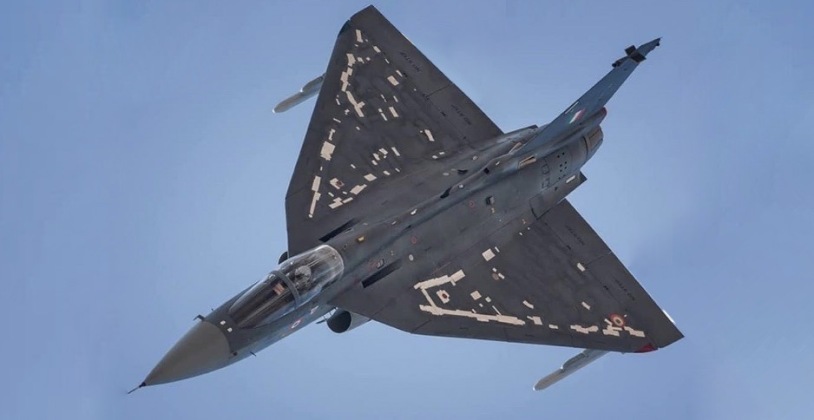
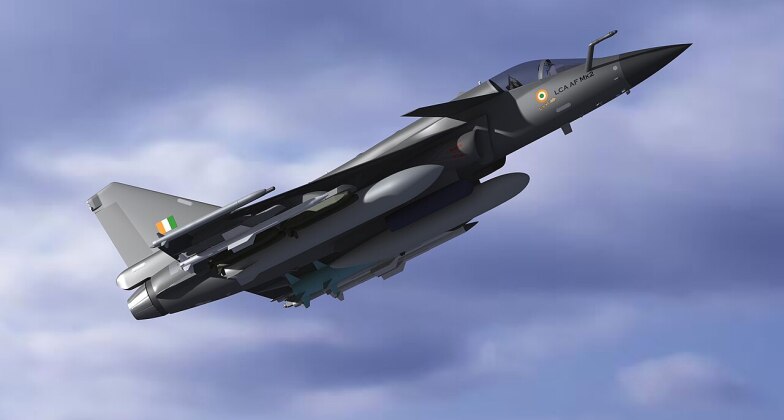
Delays to the development of the Indian Tejas lightweight fourth generation fighter have caused serious and worsening issues for Indian Air Force’s combat capabilities, resulting in both the missing of targets for the size of the fighter fleet by a considerable margin, and in major increases to the average age of currently serving fighter types. The program dates back close to four decades, with the first aircraft belatedly making its first flight only on January 4, 2001, after which it took a further 18 years before the aircraft were accepted into service in a limited capacity in February 2019. The fighter’s combat potential remains limited. While the heavily enhanced Tejas Mk2 variant was designed to provide a superior combat capability, it was confirmed in March 2026 that its first flight had been further delayed by two years.
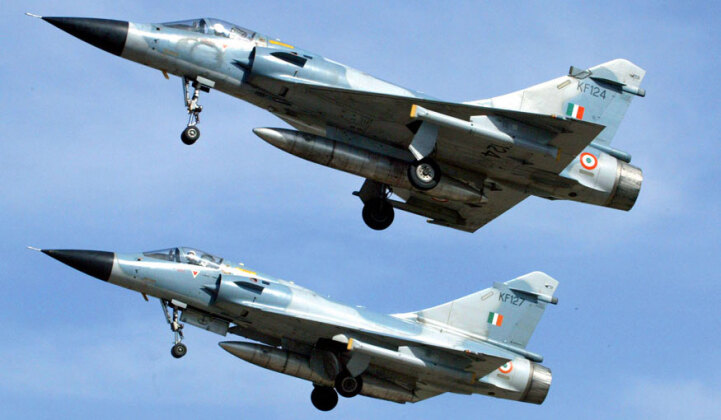
The Indian Air Force currently operates 49 Mirage 2000H and 8 Mirage 2000TH aircraft, which were delivered from 1986 and were scheduled for retirement in the mid-2030s. The service also planned to retire close to 100 MiG-29 fighter jets and approximately 115 Jaguar attack jets at around the same time. Major delays to the Tejas program, including most recently the delays to developing the Tejas Mk2, mean that the Mirage 2000, MiG-29 and Jaguar will need to remain in service for considerably longer. Plans to modernise the Jaguar and procure new engines from the United States were cancelled due to cost. The viability of these three older types of combat jets for high intensity operations has been brought to serious question, and while a portion of the MiG-29 fleet has been brought up to the modern MiG-29UPG ‘4+ generation’ standard, the baseline MiG-29 and the Mirage 2000 are both considered effectively obsolete.
While Indian Air Force doctrine indicates a requirement to field at least 42 fighter squadrons, each with 18 aircraft, the service currently fields just 32 fighter squadrons, several of which have fewer than 18 aircraft. This is largely due to the delays in the development of the Tejas fighter, which the Indian Air Force originally intended to procure to replace the MiG-21 in forming the backbone of its lightweight single engine fleet. The retirement of the MiG-21 and MiG-27 without replacement has left the fleet increasingly thinly stretched. Over the past two decades Air Force fighter procurements have been restricted to continued license production of the Su-30MKI, the current backbone of the fleet and most numerous fighter type in service, as well as small procurements of 36 Rafale fighters and a smaller number of MiG-29UPG fighters.
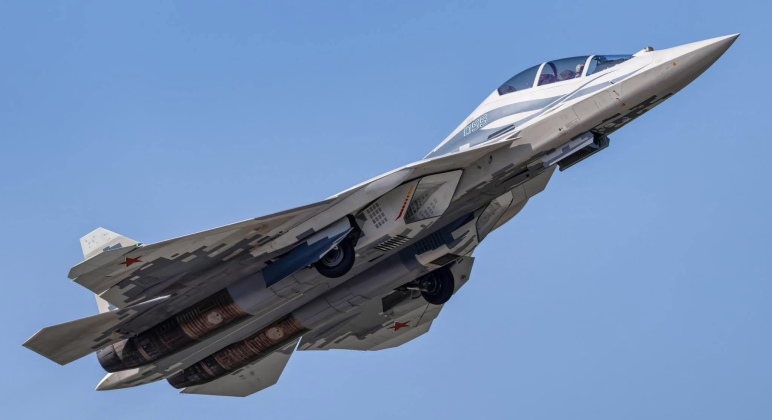
The Indian Air Force has partly compensated for shortages of fighter aircraft by procuring Russian S-400 long range air defence systems, which combine cutting edge combat potentials with low sustainment costs. The delivery of additional systems to equip the seventh and eighth Indian Air Force battalions was confirmed on May 7 to have begun, while the Indian Defence Ministry Defence Procurement Council had two months prior in March approved the purchase of an additional ten battalions’ worth of the systems. In February 2025 it was confirmed that a license production agreement for the Su-57 fifth generation fighter was being considered, while eleven months later the Indian Defence Ministry in January 2026 confirmed that these talks had reached an advanced technical stage. This raises the possibility that the new stealth fighter will be procured in large numbers to enlarge the fleet and provide a major leap in the combat potentials of top frontline units. The Su-57D variant, which first flew in Russia on May 19, appears to have been developed in large part to meet Indian Air Force requirements.


For better or worse , India had for decades relied upon Soviet/Russian aircraft.
ReplyDeleteThe Tejas was deliberately developed staying away from the Soviet/Russian ecosystem. Unfortunately, it is a Frankenstein aircraft cobbled together from systems developed in a dozen different countries.
The consolidated assembly still doesn't perform as intended after decades of work
India has more than 100 (115??) British built Jaguar attack aircraft
DeleteIt so happened at the time ( 1979) India's requirement was for low-level, high-speed penetration attack aircraft, which the USSR could not at the time offer a capable platform.
DeleteThat requirement just wasn't an important part of Soviet air force doctrine at the time. So the Jaguar it was.