
Anwar: One Malaysia-bound oil tanker breaks down in Hormuz, another has docked; no petrol supply impact
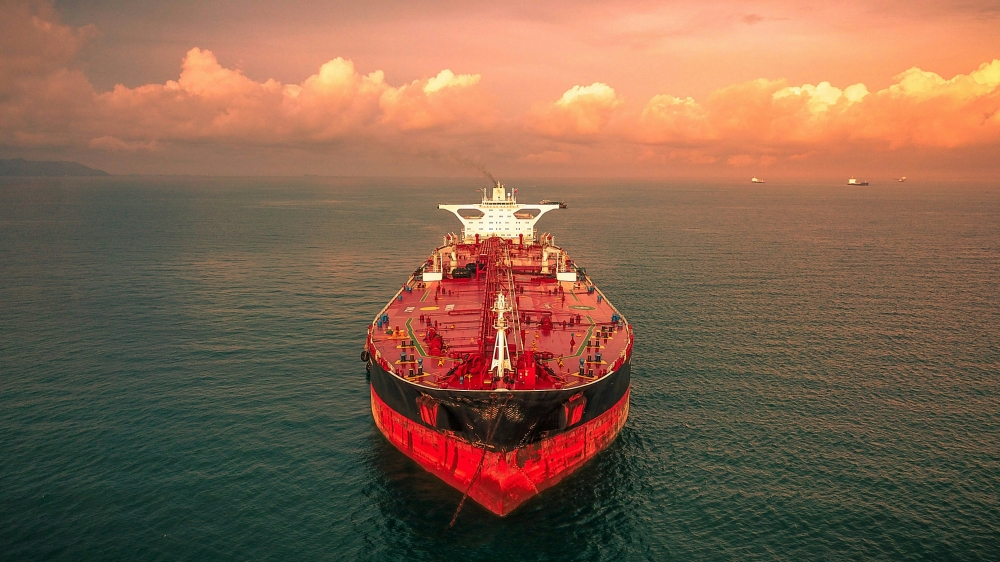
An oil tanker carrying Malaysia-bound crude from the Persian Gulf broke down en route through the Strait of Hormuz, but another vessel has already docked and there is no immediate impact on petrol supply, Prime Minister Datuk Seri Anwar Ibrahim said on April 10, 2026. — Unsplash pic
Friday, 10 Apr 2026 3:44 PM MYT
KUALA LUMPUR, April 10 — One oil tanker carrying Malaysian-bound crude from the Persian Gulf has broken down, Prime Minister Datuk Seri Anwar Ibrahim said today.
He gave an assurance that the incident would not have any impact on Malaysia’s petrol supply for now, adding that another tanker linked to the same shipment has already docked.
“One of the vessels had broken down and is now being repaired at a port, but God willing this won’t affect oil supply, and we will continue to have sufficient petrol until May,” he told reporters after performing Friday prayers at a mosque in Cheras here.
The Prime Minister’s Office later said in a statement that one vessel has already departed, while six others have been approved and are currently awaiting their turn to leave.
In March, Anwar said he spoke with Iranian President Masoud Pezeshkian about Malaysia’s “non-hostile” status and neutral foreign policy to secure an agreement for seven Malaysian-flagged vessels safe passage through the Strait of Hormuz.
Earlier this month, Putrajaya and the Iranian representative in Malaysia both confirmed that six of these seven ships had successfully navigated the strait and were en route home, specifically to the Pengerang Integrated Complex in Johor.
The tanker mentioned in today’s report is the seventh ship. Roughly 38 per cent of Malaysia’s crude oil imports pass through the Strait of Hormuz.
The government has been under immense pressure to maintain the RM1.99 per litre cap for RON95 petrol, and Anwar, who is also finance minister, has said any prolonged disruption to the “special pass” tankers would force Malaysia to buy more expensive spot-market oil from other regions, potentially blowing the national subsidy budget.


No comments:
Post a Comment