
Retain SOSMA: Fortifying Malaysia’s national security architecture
By R. Paneir Selvam
2 hours ago

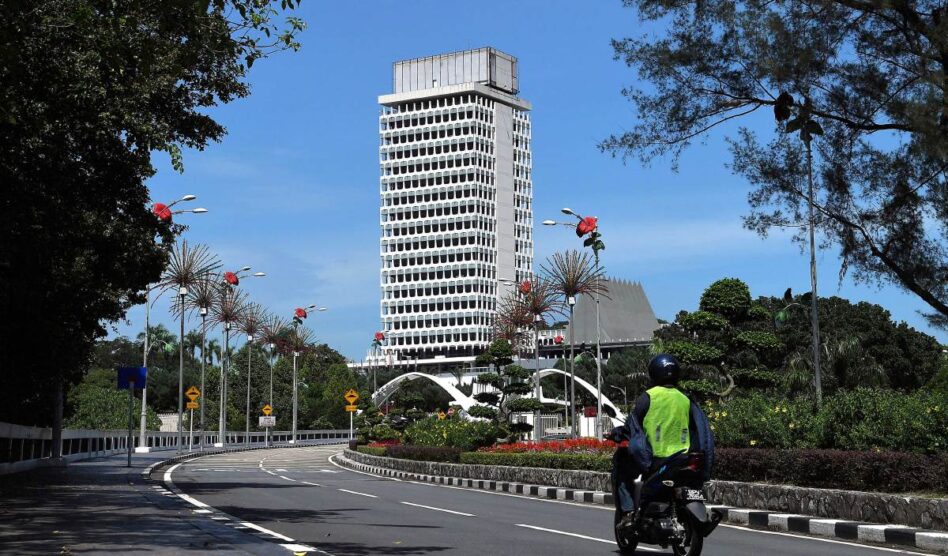
MALAYSIA’S Security Offences (Special Measures) Act 2012 (SOSMA) continues to occupy a contentious place in national discourse.
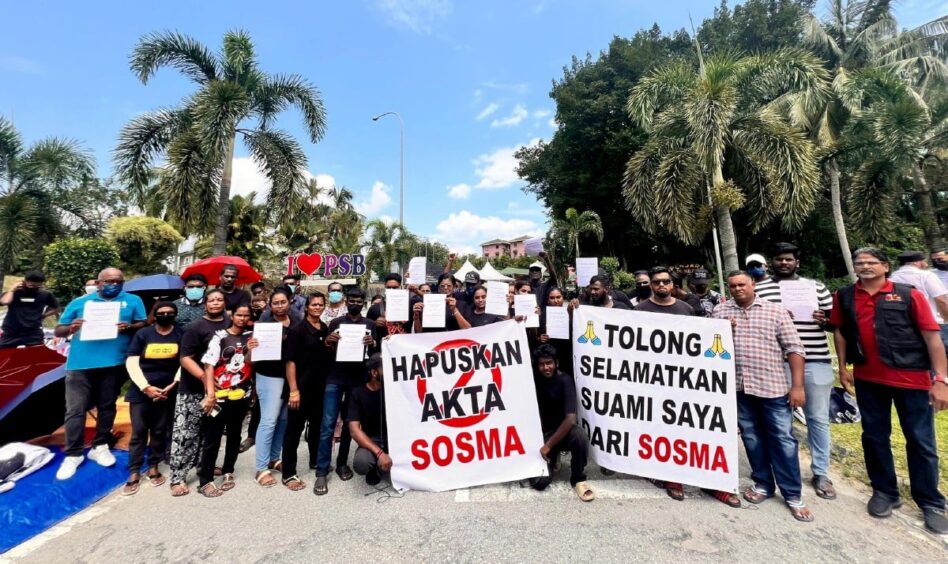
Since replacing the Internal Security Act (ISA), SOSMA has been scrutinised for its implications on civil liberties, with critics urging its repeal and supporters defending it as a vital tool for safeguarding national security.
A recent political call noting that the government has “two years left” to abolish SOSMA has reignited this debate.
Yet in a world marked by rising extremism, hybrid warfare, sophisticated criminal networks, and foreign subversion, the question Malaysia must confront is not whether SOSMA should be abolished, but how it should be enhanced.
Retaining SOSMA with structural reforms, stronger oversight, and precise operational scope is essential for strengthening Malaysia’s resilience against the complexities of modern security threats.
The global security environment is no longer defined by conventional threats alone. Transnational terrorism, cyber-radicalisation, foreign disinformation campaigns, violent extremism, and the evolving nature of organised crime demand rapid, intelligence-led responses.

(Image: Medium)
Traditional criminal procedures, with their strict evidentiary thresholds and time-bound investigative limits, often fail to keep pace with threats that can materialise within days.
SOSMA’s special measures including extended pre-charge detention and flexible evidentiary handling that provide crucial investigative space for dismantling networks before they can act.
Without such tools, authorities’ risk being forced into reactive rather than preventive action, a dangerous position when confronting threats designed to exploit legal gaps and procedural weaknesses.
A comparative analysis of other democracies reveals that Malaysia is not an outlier in adopting special security legislation. The United Kingdom’s terrorism framework, for example, allows enhanced powers such as stop-and-search, extended custodial interrogation, and restrictions on movement, all underpinned by a culture of independent oversight.
The office of the Independent Reviewer of Terrorism Legislation, annual transparency reports, and parliamentary scrutiny ensure that extraordinary powers operate within a controlled environment.
These features do not weaken security laws; they legitimise them by embedding accountability into their design. Malaysia can emulate this model by establishing an independent SOSMA oversight mechanism with powers to audit cases, issue public reports, and recommend legislative amendments.
Singapore’s Internal Security Act (ISA) offers another perspective, grounded in preventive detention and intelligence-driven security governance. Yet its durability stems from controlled application focused on terrorism, espionage, and foreign subversion rather than broad policing of ordinary crime.
Its ecosystem of administrative reviews, ministerial responsibility, and intelligence professionalism ensures that detention is used selectively and purposefully.
Malaysia’s SOSMA can borrow this emphasis on precision by refining the categories of offences that fall under its ambit, ensuring that special measures are invoked only for clearly defined and demonstrable threats.
This reduces opportunities for misuse while preserving the operational strength needed for serious security cases.
Traditional criminal procedures, with their strict evidentiary thresholds and time-bound investigative limits, often fail to keep pace with threats that can materialise within days.
SOSMA’s special measures including extended pre-charge detention and flexible evidentiary handling that provide crucial investigative space for dismantling networks before they can act.
Without such tools, authorities’ risk being forced into reactive rather than preventive action, a dangerous position when confronting threats designed to exploit legal gaps and procedural weaknesses.
A comparative analysis of other democracies reveals that Malaysia is not an outlier in adopting special security legislation. The United Kingdom’s terrorism framework, for example, allows enhanced powers such as stop-and-search, extended custodial interrogation, and restrictions on movement, all underpinned by a culture of independent oversight.
The office of the Independent Reviewer of Terrorism Legislation, annual transparency reports, and parliamentary scrutiny ensure that extraordinary powers operate within a controlled environment.
These features do not weaken security laws; they legitimise them by embedding accountability into their design. Malaysia can emulate this model by establishing an independent SOSMA oversight mechanism with powers to audit cases, issue public reports, and recommend legislative amendments.
Singapore’s Internal Security Act (ISA) offers another perspective, grounded in preventive detention and intelligence-driven security governance. Yet its durability stems from controlled application focused on terrorism, espionage, and foreign subversion rather than broad policing of ordinary crime.
Its ecosystem of administrative reviews, ministerial responsibility, and intelligence professionalism ensures that detention is used selectively and purposefully.
Malaysia’s SOSMA can borrow this emphasis on precision by refining the categories of offences that fall under its ambit, ensuring that special measures are invoked only for clearly defined and demonstrable threats.
This reduces opportunities for misuse while preserving the operational strength needed for serious security cases.
(Image: Harian Metro)
Australia’s counterterrorism evolution further demonstrates the importance of periodic legislative recalibration. The country updates its security laws frequently through statutory reviews, sunset clauses, and parliamentary inquiries.
These mechanisms prevent legal stagnation and ensure that laws adapt to emerging risks such as lone-wolf attacks, encrypted communications, and extremist online ecosystems.
By incorporating sunset clauses and regular review requirements into SOSMA, Malaysia can ensure the law remains contemporary, balanced, and accountable by avoiding both overreach and obsolescence.
However, retaining SOSMA without reform would be irresponsible. Civil-society groups, legal practitioners, and human rights advocates have repeatedly highlighted legitimate concerns.
These include prolonged detention without trial, limited judicial discretion in bail decisions, insufficient transparency, and broad offence classifications that risk sweeping non-security cases into a framework designed for exceptional threats. These criticisms should not be dismissed as obstacles but embraced as guidance for meaningful reform.
To strengthen SOSMA’s legitimacy, reforms should include mandatory judicial authorisation for any extended detention beyond an initial period, restored judicial discretion for bail, and regular public reporting on SOSMA case statistics.
A statutory prohibition on using SOSMA for peaceful political activity would further assure the public that the law is intended for genuine security threats, not political convenience.
Additionally, establishing an independent SOSMA reviewer similar to the UK’s independent oversight system would provide continuous monitoring and reduce the risk of arbitrary application.
Beyond structural reform, operational improvements are equally vital. Effective special-measures laws require professional intelligence services, interagency coordination, and strong prosecutorial capacity.
Malaysia must invest in evidence-based policing, digital forensics, intelligence-sharing platforms, and training that integrates security priorities with human rights compliance.
These mechanisms prevent legal stagnation and ensure that laws adapt to emerging risks such as lone-wolf attacks, encrypted communications, and extremist online ecosystems.
By incorporating sunset clauses and regular review requirements into SOSMA, Malaysia can ensure the law remains contemporary, balanced, and accountable by avoiding both overreach and obsolescence.
However, retaining SOSMA without reform would be irresponsible. Civil-society groups, legal practitioners, and human rights advocates have repeatedly highlighted legitimate concerns.
These include prolonged detention without trial, limited judicial discretion in bail decisions, insufficient transparency, and broad offence classifications that risk sweeping non-security cases into a framework designed for exceptional threats. These criticisms should not be dismissed as obstacles but embraced as guidance for meaningful reform.
To strengthen SOSMA’s legitimacy, reforms should include mandatory judicial authorisation for any extended detention beyond an initial period, restored judicial discretion for bail, and regular public reporting on SOSMA case statistics.
A statutory prohibition on using SOSMA for peaceful political activity would further assure the public that the law is intended for genuine security threats, not political convenience.
Additionally, establishing an independent SOSMA reviewer similar to the UK’s independent oversight system would provide continuous monitoring and reduce the risk of arbitrary application.
Beyond structural reform, operational improvements are equally vital. Effective special-measures laws require professional intelligence services, interagency coordination, and strong prosecutorial capacity.
Malaysia must invest in evidence-based policing, digital forensics, intelligence-sharing platforms, and training that integrates security priorities with human rights compliance.
(Image: Harian Metro)
Special measures must function as a bridge to prosecution rather than an alternative to it. This means investigators must be equipped to convert intelligence leads into admissible evidence, reducing the need for prolonged detention under special provisions.
Enhancing rehabilitation and deradicalisation programmes would also align SOSMA with contemporary security frameworks that emphasise long-term threat management rather than mere containment.
The current political call to repeal SOSMA does not reflect the full complexity of Malaysia’s security needs. While rights-based concerns are genuine and must be respected, abolishing SOSMA outright would leave the nation exposed at a time when threats are more fluid, interconnected, and unpredictable than ever before.
Without a special-measures framework, law enforcement agencies risk being legally handicapped when confronting threats that evolve faster than traditional investigative timelines allow.
A reformed SOSMA represents the most balanced path forward by preserving the state’s ability to act decisively while embedding the safeguards necessary to uphold justice.
Parliament must take ownership of this reform through transparent deliberation, expert consultation, and periodic assessment. This ensures that SOSMA remains not only operationally effective but also publicly accountable and aligned with Malaysia’s democratic values.
Malaysia stands at a decisive confluence. The choice is not between security and liberty, but between outdated binaries and nuanced governance.
Retaining and enhancing SOSMA, informed by global best practices, shaped by local realities, and fortified by strong safeguards is essential for a secure, democratic, and resilient Malaysia. ‒ Dec 4, 2025
R Paneir Selvam is the principal consultant of Arunachala Research & Consultancy Sdn Bhd (ARRESCON), a think tank specialising in strategic national and geopolitical matters.
Special measures must function as a bridge to prosecution rather than an alternative to it. This means investigators must be equipped to convert intelligence leads into admissible evidence, reducing the need for prolonged detention under special provisions.
Enhancing rehabilitation and deradicalisation programmes would also align SOSMA with contemporary security frameworks that emphasise long-term threat management rather than mere containment.
The current political call to repeal SOSMA does not reflect the full complexity of Malaysia’s security needs. While rights-based concerns are genuine and must be respected, abolishing SOSMA outright would leave the nation exposed at a time when threats are more fluid, interconnected, and unpredictable than ever before.
Without a special-measures framework, law enforcement agencies risk being legally handicapped when confronting threats that evolve faster than traditional investigative timelines allow.
A reformed SOSMA represents the most balanced path forward by preserving the state’s ability to act decisively while embedding the safeguards necessary to uphold justice.
Parliament must take ownership of this reform through transparent deliberation, expert consultation, and periodic assessment. This ensures that SOSMA remains not only operationally effective but also publicly accountable and aligned with Malaysia’s democratic values.
Malaysia stands at a decisive confluence. The choice is not between security and liberty, but between outdated binaries and nuanced governance.
Retaining and enhancing SOSMA, informed by global best practices, shaped by local realities, and fortified by strong safeguards is essential for a secure, democratic, and resilient Malaysia. ‒ Dec 4, 2025
R Paneir Selvam is the principal consultant of Arunachala Research & Consultancy Sdn Bhd (ARRESCON), a think tank specialising in strategic national and geopolitical matters.


No comments:
Post a Comment