
Pentagon reports Iran war has cost US$25bil so far
Most of US military spending on Operation Epic Fury has been driven by munitions use since its late February launch
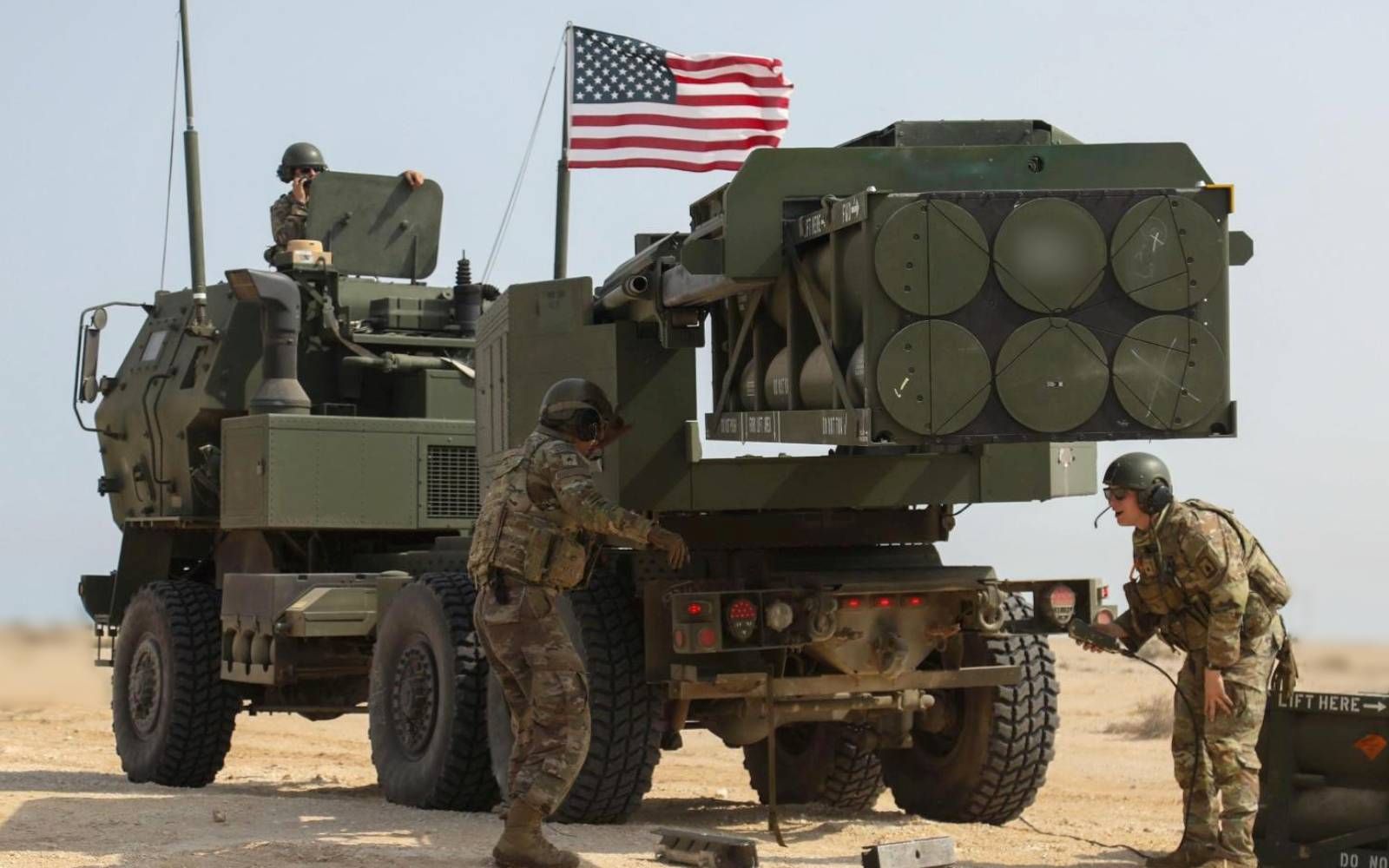
US president Donald Trump has extended an initial two-week ceasefire indefinitely, though the conflict remains unresolved. (US Centcom pic)
WASHINGTON: The war against Iran has cost the US military US$25 billion since it was launched in late February, a senior Pentagon official said Wednesday.
“We’re spending about US$25 billion on Operation Epic Fury. Most of that is in munitions,” acting Pentagon comptroller Jules Hurst told lawmakers, using the official name for US operation.
US defence secretary Pete Hegseth later told the same congressional hearing that the estimated figure was less than US$25 billion at this point.
The Pentagon chief pushed back against questions about the war’s cost, saying: “The question I would ask this committee is, what is it worth to ensure that Iran never gets a nuclear weapon?”
The United States and Israel launched a massive air campaign against Iran’s military and leadership on Feb 28.
US President Donald Trump has indefinitely extended what was an initial two-week ceasefire that brought a halt to the fighting, but the conflict – and its widespread economic fallout – remains unresolved.
“We’re spending about US$25 billion on Operation Epic Fury. Most of that is in munitions,” acting Pentagon comptroller Jules Hurst told lawmakers, using the official name for US operation.
US defence secretary Pete Hegseth later told the same congressional hearing that the estimated figure was less than US$25 billion at this point.
The Pentagon chief pushed back against questions about the war’s cost, saying: “The question I would ask this committee is, what is it worth to ensure that Iran never gets a nuclear weapon?”
The United States and Israel launched a massive air campaign against Iran’s military and leadership on Feb 28.
US President Donald Trump has indefinitely extended what was an initial two-week ceasefire that brought a halt to the fighting, but the conflict – and its widespread economic fallout – remains unresolved.


Ishmael Sudah Lupa......
ReplyDeleteHave you heard the story of Israel offering Palestinian Arab refugees who fled the 1948 war the chance to return — with compensation — just weeks after the fighting ended?
That’s exactly what happened at the 1949 Lausanne Conference, the UN-backed attempt to broker peace between Israel and its Arab neighbors.
Here’s the pattern that has defined the conflict for 76 years.
The Arab delegations (Egypt, Syria, Lebanon, Jordan) refused to even sit in the same room as Israeli representatives. For five months there were no direct talks. They would not recognize Israel as a legitimate negotiating partner.
Israel offered to repatriate 100,000 Arab refugees, pay compensation for abandoned lands, release frozen Arab bank accounts, and discuss family reunifications. Israeli delegates also signed the May 12 Protocol accepting the principle of partition.
The Arabs rejected everything.
They insisted the refugees must return not as citizens seeking peace, but “as masters of the homeland” — explicitly to annihilate the Jewish state.
Egypt’s Foreign Minister declared in 1949: “The Arabs intend… to annihilate the State of Israel.”
Baghdad Radio broadcast the same message: the Jews were enemies “irrespective of how peace-seeking their intentions may be,” and the Arabs were preparing “the day of vengeance.”
The refugees became permanent pawns. Arab states (except Jordan) refused them citizenship, kept them in camps, and weaponized their suffering. The “right of return” was never humanitarian — it was demographic warfare to destroy the Jewish state from within.
This was not a one-off. It was the blueprint. 18 years later the Arab League made it explicit at Khartoum: no recognition with Israel, no negotiation of Israel, no peace with Israel.
Meanwhile, Israel absorbed around 600,000 Jewish refugees ethnically cleansed from Arab lands — with no UN agency, no generational camps, and no international sympathy.
76 years later the same rejectionist strategy continues, just in new language. The goal has never changed: they will accept no Jewish state in the Middle East, ever.
https://x.com/CptAllenHistory/status/2049645546655175084?s=20
Wiki: Israel's signature on the protocol soon became a bone of contention. Israel argued that the protocol was merely a "procedural device" and that its signature did not imply an acceptance of the 1947 partition borders. Arab leaders, on the other hand, argued that it did.[1][6][7] Walter Eyan, the protocol's Israeli signatory, later claimed that he had signed the document under duress
DeleteThere are increasing signs that the United Arab Emirates is about to become the second country (after Israel) to recognize Somaliland as an independent state.
ReplyDeleteProminent Emirati influencers on social networks, as well as sources in Somaliland, are hinting that the moment is approaching.
Wakakakaka… desperado lie
Delete