Monday, September 07, 2026

Hadi’s 2014 US ‘topple govt’ claim sparks three police reports


Hadi’s 2014 US ‘topple govt’ claim sparks three police reports


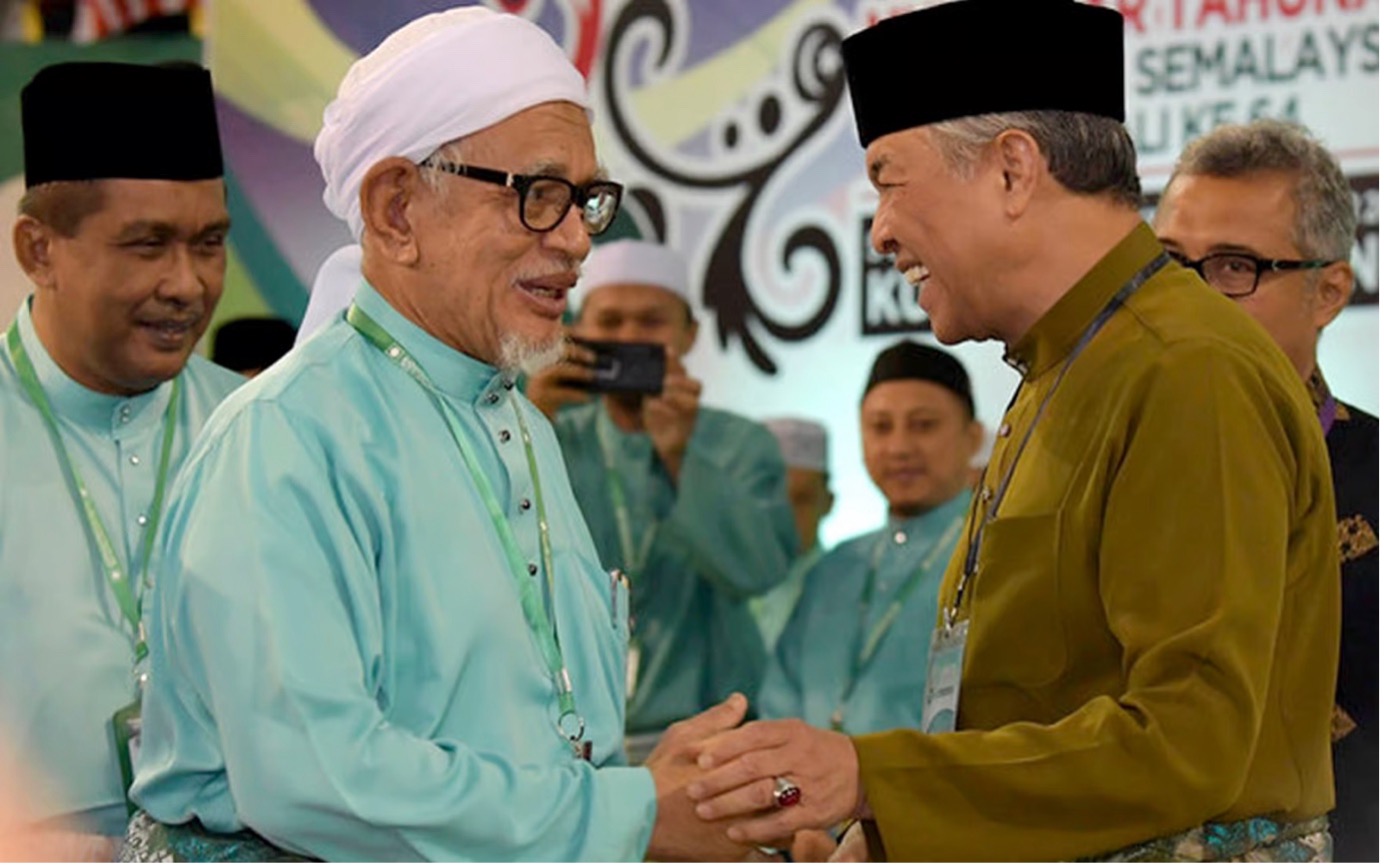
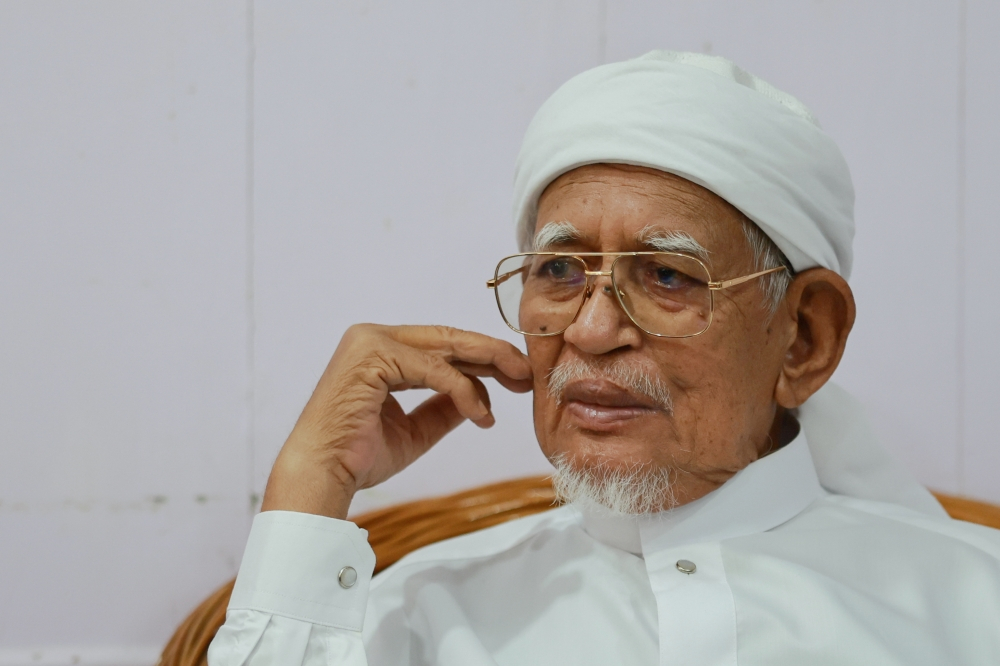
PKR Bandar Tun Razak branch vice-chief V. Jonathan said the police reports against PAS president Tan Sri Abdul Hadi Awang (pictured) on September 6, 2026 were to ensure that any claims related to attempts to overthrow or weaken the government and the parliamentary democratic system through unconstitutional means could be investigated in accordance with the law. — Bernama pic


Summary

  • In response to allegations made by PAS President Tan Sri Abdul Hadi Awang that the United States had offered to assist in toppling the Malaysian government in 2014, three police reports were filed by PKR officials at the Cheras Police Station.
  • The allegations involved meetings with US representatives during former President Barack Obama's visit to Malaysia.
  • PKR officials have urged for a thorough investigation into these claims to ensure any unconstitutional activities are scrutinized.
  • The Cheras police have confirmed receiving the reports and will refer them to the Wangsa Maju District Police Headquarters for further action.


First Published: Monday, 07 Sep 2026 8:59 AM MYT


KUALA LUMPUR, Sept 7 — Three police reports were lodged yesterday over a claim by PAS president and Marang Member of Parliament Tan Sri Abdul Hadi Awang that the United States had offered assistance to topple the Malaysian government in 2014.

The reports were lodged by Parti Keadilan Rakyat (PKR) Bandar Tun Razak branch vice-chief V. Jonathan, PKR Bandar Tun Razak branch women’s chief Mazlina Osman and Bandar Tun Razak Angkatan Muda Keadilan deputy chief Amarul Hisham Jalil at the Cheras Police Station here.

Jonathan said the reports were lodged following Abdul Hadi’s statement during his speech at the 70th PAS Annual Muktamar at the Pusat Tarbiyah Islamiyah Kelantan on Sept 5, as reported by a news portal.


He said Abdul Hadi claimed that several PAS leaders were invited to a meeting with the United States Embassy during the visit of then-US President Barack Obama to Malaysia in 2014, with the foreign side allegedly offering assistance to topple the government of the day.
😂😂😂


“Among those said to have attended the meeting were Datuk Seri Takiyuddin Hassan, Datuk Seri Ahmad Samsuri Mokhtar and Mustafa Ali, alongside the United States Ambassador at the time,” he told reporters after lodging the police report yesterday.

Jonathan said they viewed the allegations seriously and that the reports were lodged to ensure that any claims related to attempts to overthrow or weaken the government and the parliamentary democratic system through unconstitutional means could be investigated in accordance with the law.

Meanwhile, Cheras police chief ACP Mohd Rosdi Daud confirmed receiving a report regarding the matter at about 5pm yesterday, adding that the report would be referred to the Wangsa Maju District Police Headquarters.

“Police reports have been lodged. I am checking the number of reports as well as the police station where the reports were made. However, it will all be referred to the Wangsa Maju District Police Headquarters,” he said. — Bernama


Iran to declare ‘prohibited zone’ near Strait of Hormuz in coming days, warns ships entering will face sanctions


Iran to declare ‘prohibited zone’ near Strait of Hormuz in coming days, warns ships entering will face sanctions


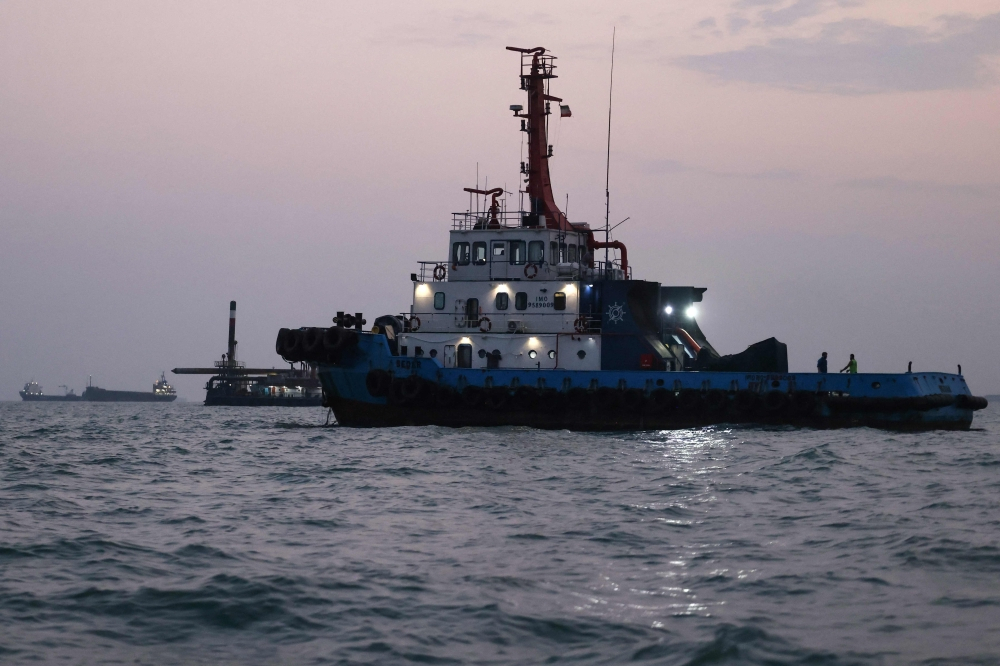
Vessels transit the Strait of Hormuz off the coast of the port city of Bandar Abbas in southern Iran September 5, 2026. — AFP pic


Summary

  • Iran plans to establish a "prohibited zone" near the Strait of Hormuz, according to its top security chief Mohsen Rezaei.
  • The prohibited zone will start from the US Navy's blockade line and include parts of the Persian Gulf.
  • Ships entering this new zone will be added to Iran's sanctions list.


First Published: Monday, 07 Sep 2026 9:39 AM MYT


TEHRAN, Sept 7 — Iran’s top security chief Mohsen Rezaei yesterday said his country would establish a “prohibited zone” near the strategic Strait of Hormuz, state media reported.

“In the coming days, a prohibited zone will be announced outside the Strait of Hormuz. This zone will start from the US Navy’s blockade line and include areas of the Persian Gulf. Any ship entering this new zone will be placed on the sanctions list” of Iran, Rezaei told the state TV. — AFP


Three killed, others feared trapped after New Delhi building housing students collapses; rescue underway


Three killed, others feared trapped after New Delhi building housing students collapses; rescue underway


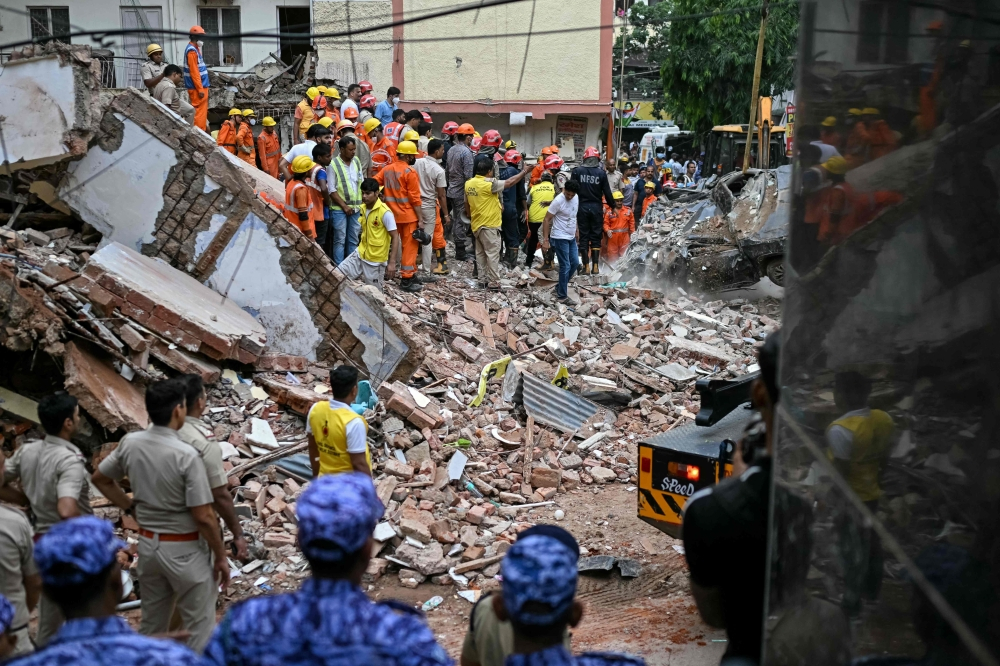
Security personnel stand guard as rescue personnel conduct a search operation for survivors at the site of a building collapse in the Satya Niketan area in New Delhi September 6, 2026. — AFP pic


Summary

  • A building collapse in New Delhi killed at least three people, with rescue operations underway to recover those trapped in the rubble.
  • Nine people were rescued, five critically injured, while efforts continue to determine the exact number trapped.
  • Authorities evacuated a nearby building as a precaution, and Prime Minister Modi and Chief Minister Gupta expressed their concerns and condolences.


First Published: Monday, 07 Sep 2026 10:07 AM MYT


NEW DELHI, Sept 7 — A building collapse in the Indian capital New Delhi killed at least three people yesterday, local media reports said, as authorities worked to rescue those trapped in the rubble.

The building, housing mostly students, came crashing down about midday in the south-western Satya Niketan area of the city, with police and disaster response personnel cautiously lifting the rubble using heavy machinery.


Three people died in the accident, according to The Hindu newspaper and other local media reports, quoting unnamed fire services officials.


Nine people were rescued from under the rubble, with five of them taken to a hospital in critical condition, the reports said.


The exact number of people feared trapped was not immediately known.


An adjacent building has been vacated over fears it could also collapse.

Prime Minister Narendra Modi said the incident was “distressing” and offered “condolences to those who lost their loved ones”, according to a statement from his office.


TV images showed rescuers pulling a young man out from the rubble and another trapped under a block of fallen concrete slab, with only his face visible.

Delhi’s Chief Minister Rekha Gupta said she was “deeply concerned” by the incident.

“Every possible effort is being made to safely rescue those trapped and provide immediate assistance to the affected families,” Gupta said in a social media post.

The Satya Niketan area is home to hundreds of university students living in crowded, privately-owned accommodations as paying guests.

Building collapses are frequent in India, and illegal structures — often home to migrant workers and students — are common in big cities.

Last year, at least 11 people were killed after a residential building collapsed in the northeastern district of the capital city. — AFP

MACC investigates fertiliser delays affecting 38,000 Kedah farmers


MACC investigates fertiliser delays affecting 38,000 Kedah farmers


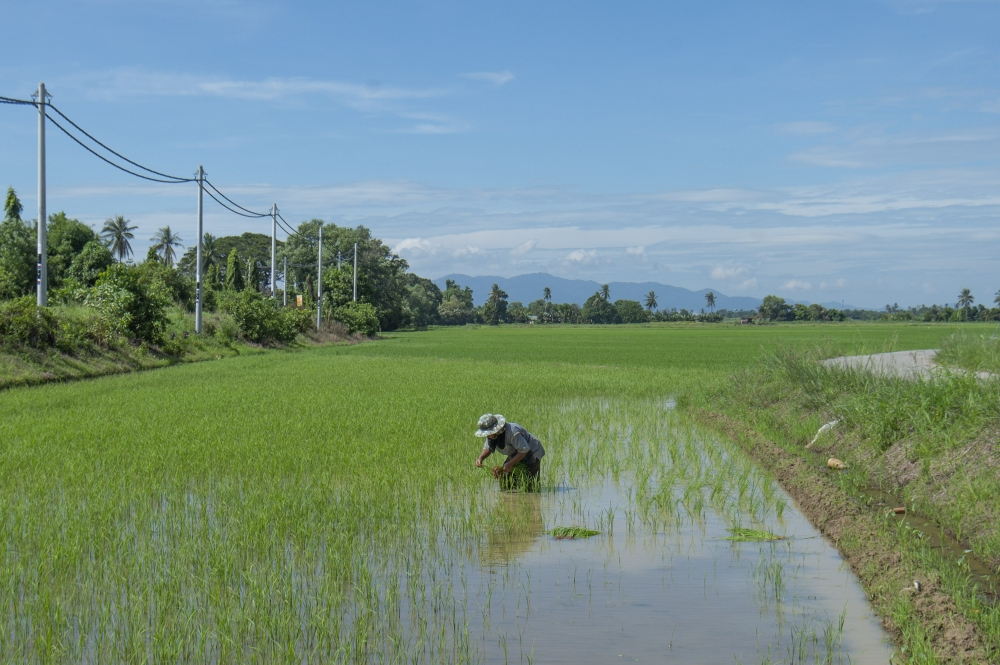
Kedah paddy farmers’ fertiliser delays is now under MACC investigation. — File picture by Sahfwan Zaidon


Summary

  • The Malaysian Anti-Corruption Commission (MACC) has initiated an investigation into delays in the distribution of supplementary compound fertilizer to padi farmers in Kedah, following a complaint by Pertubuhan Persaudaraan Pesawah Malaysia.
  • The investigation, opened by MACC's Kedah branch, aims to uncover any criminal elements and governance weaknesses contributing to the delay, affecting about 38,000 farmers over a substantial area.
  • The MACC has engaged with the Agriculture and Food Security Ministry and the Muda Agricultural Development Authority, amid appeals for governmental compensation for affected farmers.


First Published: Monday, 07 Sep 2026 10:09 AM MYT


KUALA LUMPUR, Sept 7 — The Malaysian Anti-Corruption Commission (MACC) has opened an investigation into delays in the distribution of supplementary compound fertiliser to padi farmers in Kedah.

In a statement today, MACC said its Kedah branch opened the investigation following a complaint lodged by the Pertubuhan Persaudaraan Pesawah Malaysia (Pesawah) organisation on Aug 26 over delays in the supply of the fertiliser.

The supplier appointed by the Agriculture and Food Security Ministry (known by its Malay initials KPKM) has delayed the fertiliser needed by padi farmers in the 100,000-hectare area under the Muda Agricultural Development Authority (Mada).

“Kedah MACC is conducting the investigation to look into not only the criminal aspect, but also any governance weaknesses that may have contributed to the delay,” the statement read.


MACC said it had so far recorded the statement of a witness from Pesawah and received several relevant documents.

“MACC welcomes the call and concern expressed by Prime Minister Datuk Seri Anwar Ibrahim over the issue and has engaged with KPKM and Mada for further investigation,” the statement said.

Meanwhile, MACC chief commissioner Datuk Seri Abd Halim Aman, when contacted, confirmed the matter and said the investigation was opened under Section 18 of the MACC Act 2009.


The media had previously reported a call by Pengkalan Kundor assemblyman Mardhiyyah Johari for the government to consider compensation for padi farmers who suffered losses due to delays in the distribution of supplementary compound fertiliser, or ‘Baja Padi 3’, in the Mada area.

The delay has affected about 38,000 farmers, involving 78,117 hectares of padi fields.

On Aug 18, Mada said 22 per cent, or 137,560 bags, of Baja Padi 3 had been supplied against the total requirement of 616,015 bags. — Bernama

Sunday, September 06, 2026

Palestinians in Gaza bury remains of 100 people recovered from rubble


Palestinians in Gaza bury remains of 100 people recovered from rubble


The remains of thousands more people are believed to be buried in buildings destroyed and damaged in Israel’s genocidal war against Palestinians in Gaza, authorities say


Mourners gather around the flag-draped bodies of Palestinians whose remains were recently recovered from the rubble after they were killed in Israeli strikes during the genocidal war on Gaza, in Gaza City [Jehad Alshrafi/AP]


By Al Jazeera Staff
Published On 6 Sep 2026


Palestinians in northern Gaza are holding funeral ceremonies for about 100 people, including 60 children, whose remains were recovered from the rubble of destroyed buildings in Gaza City’s Zeitoun neighbourhood.

The remains were carried on Sunday by family members from Zeitoun to al-Ma’madani cemetery in central Gaza City for burial, according to Al Jazeera’s correspondent at the scene, Ghazi al-Aloul.


Recommended Stories


Civil defence crews and family members had spent weeks digging through the ruins of homes hit during Israel’s genocidal war against Palestinians in Gaza, which began in October 2023.

Many of the victims were part of the extended Malaka family, which alone lost 55 members.

Al-Aloul said families had waited a long time to be able to bury their loved ones in “known, proper cemeteries”. He said that the chance to bury the remains of family members was “not available to every family”, noting that Israeli forces had destroyed and dug up cemeteries elsewhere in Gaza during the war.


Mourners light candles by the bodies of Palestinians recovered from the rubble of homes demolished during Israel’s genocidal war on Gaza [Jehad Alshrafi/AP]


Al-Aloul said the remains, though wrapped in shrouds resembling intact bodies, were often only fragments.

“These are bone remains and remnants of belongings that may have been found on the bodies, especially the children’s,” he said, adding that no complete bodies had been recovered from the site because “the Israeli occupation has prolonged this process, and continues to prolong it and prevent it from being completed quickly”.

Raed al-Dahshan, head of Gaza’s civil defence service, told Al Jazeera his teams had formulated plans to carry out recovery operations for thousands more missing bodies, but said the work was being held back by a shortage of heavy machinery.

“We don’t have equipment, we don’t have protective equipment” for rescue workers, he told Al Jazeera.

Dahshan said the recovery of an estimated 8,000 bodies still believed to be under rubble could be completed in about 90 days with proper equipment, but “if that equipment is barred from entering Gaza … this work will continue for years”.

He said his agency had submitted a detailed list of needed equipment to international institutions and was willing to have that machinery remain under international control rather than with the civil defence directly.

He said crews needed large excavators, personal protective equipment and search equipment to locate remains urgently.

On identifying remains, he said crews rely on survivors and neighbouring families to establish who was in a building and where they were at the time of the strike, supported by a team of engineers who sort and document findings in the field. He said Israeli forces’ failure to warn residents before strikes meant “dozens, even hundreds” of homes still required excavation.


Palestinians mourn children killed in Israeli airstrikes on Gaza City


Brief: Iran retaliates after US sinks ships, Israeli minister wants ethnic cleansing in Gaza


Israel bombards several towns in southern Lebanon


Ajith Sunghay, head of the UN human rights office in the occupied Palestinian territories, told Al Jazeera that the scenes were a reminder of “the brutality of this conflict”, noting some of the remains dated back to November 2023.

“Thousands of people are still languishing under this rubble … We’re talking about areas that may be under Israeli military control, 70 percent of Gaza – there’s difficulty accessing these areas to extract these bodies.”

“Accountability must happen … It’s essential that we preserve the evidence we’ve been able to obtain during this sensitive period.”

Gaza’s Health Ministry says at least 73,651 Palestinians have been killed and 174,592 wounded since October 2023.

Similar recovery operations in recent weeks have retrieved more than 100 bodies of people from the Abu Shariah and Hassaniya families who were killed in a single strike, as well as more than 500 bodies from the Al-Taj tower site, officials and activists said.


Was Kuala Lumpur’s history rewritten? Historian challenges DBKL’s official account


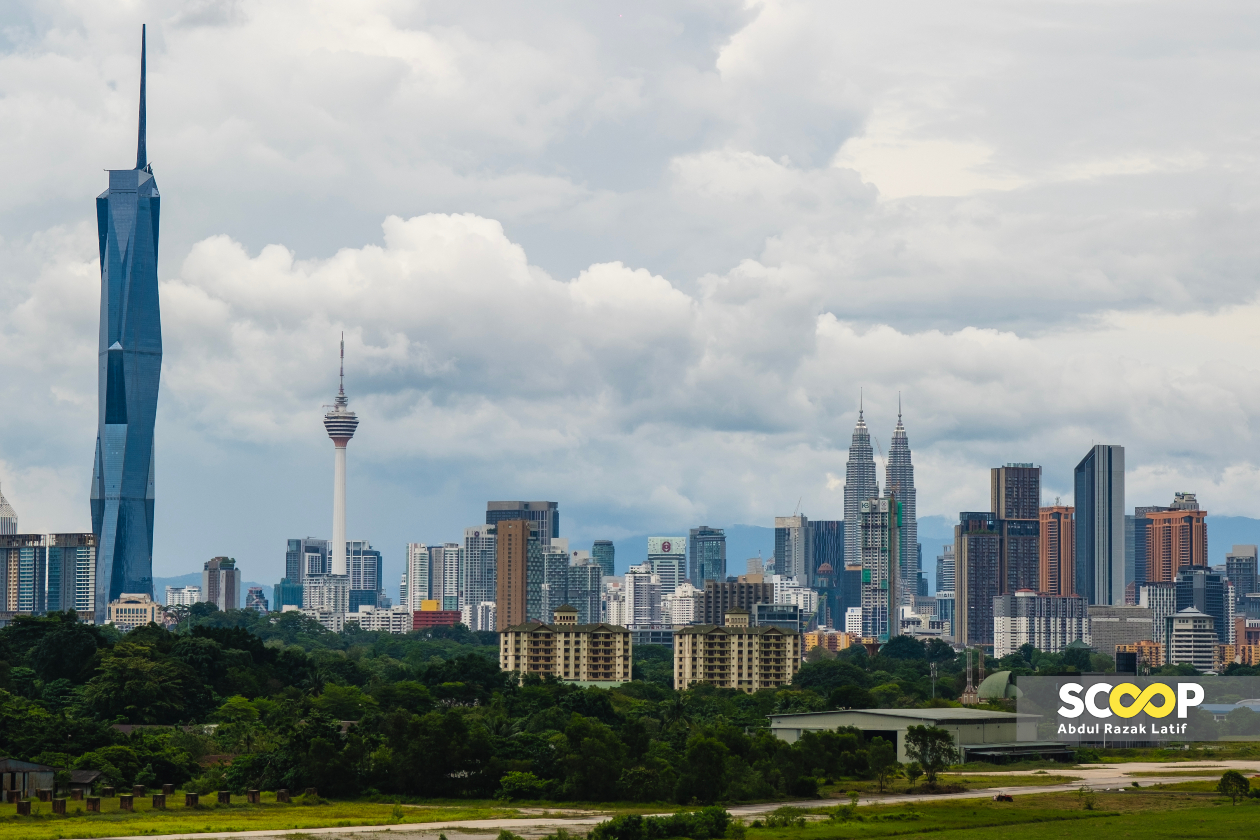
Historian Dr Ranjit Singh Malhi calls for an independent review of the Kuala Lumpur Structure Plan 2040, accusing DBKL of misrepresenting the capital’s early history by omitting key figures like Hiu Siew and Ah Sze. - Scoop file pic, September, 2026


Was Kuala Lumpur’s history rewritten? Historian challenges DBKL’s official account


Ranjit Singh Malhi says KLSP 2040 overlooks key traders and mixes up the roles of Sutan Puasa, Raja Abdullah and Yap Ah Loy


Keran Raj
Updated 58 minutes ago
6 September, 2026
3:00 PM MYT


KUALA LUMPUR – Kuala Lumpur City Hall (DBKL) has been accused of presenting a disputed version of the capital’s history as fact, with historian Dr Ranjit Singh Malhi claiming the Kuala Lumpur Structure Plan 2040 (KLSP 2040) contains “misinformation” about the city’s origins.

Ranjit said the planning document incorrectly combines different stages of Kuala Lumpur’s early development involving Sutan Puasa, Raja Abdullah and Yap Ah Loy, while omitting two traders whom he believes were instrumental in establishing the original settlement.

“This is not a minor disagreement over wording. It concerns the integrity of the historical record of our national capital,” he said in a statement.

“When an official document rewrites the origins of Kuala Lumpur, factual accuracy is not optional. It is a public duty,” he added.

The controversy centres on the historical narrative outlined in KLSP 2040, which states that Kuala Lumpur’s growth began in the 1850s, with early urban activity concentrated around the downtown area between the Klang and Gombak rivers, now known as Medan Pasar.

The document’s historical timeline attributes Kuala Lumpur’s early development to Sutan Puasa, citing his construction of irrigation canals, provision of amenities, and efforts to clear jungle areas and prepare irrigated paddy fields, particularly in Setapak.


Prominent historian Dr Ranjit Singh Malhi challenges DBKL’s latest development masterplan, demanding a factual correction over the erased contributions of early Chinese and Mandailing pioneers in Kuala Lumpur’s founding story. – Social media pic, September 6, 2026


It also states that Kuala Lumpur became a tin-mining centre in 1857, following efforts by Raja Abdullah, then the Klang district chief, before being further developed under Yap Ah Loy.

However, Ranjit argued that the account merges separate settlements and economic activities that took place in different locations.

“Kuala Lumpur grew from the trading post established by Hiu Siew and Ah Sze, also known as Ah Sze Keledek, near the confluence of the Klang and Gombak rivers. Ampang and Setapak were separate settlements serving different economic functions,” he said.

According to Ranjit, the expansion of tin mining in Ampang created the need for a landing point, supply centre and marketplace, prompting traders Hiu Siew and Ah Sze from Lukut to establish a commercial settlement near the river junction in collaboration with Sutan Puasa.

He cited SM Middlebrook’s 1951 study, Yap Ah Loy (1837–1885), published in the Journal of the Malayan Branch of the Royal Asiatic Society and later completed by historian JM Gullick.

Ranjit said Gullick’s work described the trading settlement as “the origin of Kuala Lumpur itself”.

He questioned why the two traders were not included in DBKL’s historical account.

“If Sutan Puasa initiated Kuala Lumpur’s development, what precisely did Hiu Siew and Ah Sze do?” he asked.

Ranjit said Raja Abdullah’s contribution in promoting tin mining in Ampang should also be distinguished from the founding of Kuala Lumpur itself.

“The two places were economically connected but geographically distinct,” he said.

He also challenged the way KLSP 2040 described Yap Ah Loy’s role in the city’s development.

While acknowledging Yap’s significant contribution in rebuilding Kuala Lumpur after the Selangor Civil War, Ranjit said portraying him as merely continuing an earlier process failed to reflect his influence in shaping the city.

“His role was not merely to ‘continue’ a development process begun by someone else. He was the principal force behind Kuala Lumpur’s recovery and transformation during its formative years,” he said.

Ranjit added that the plan’s own description of Medan Pasar as the centre of early urban growth raised questions about its historical interpretation.

“If Kuala Lumpur’s growth was concentrated there, its urban nucleus cannot simultaneously be identified with the Ampang mines or Sutan Puasa’s activities elsewhere,” he explained.

However, Ranjit acknowledged that the debate over Kuala Lumpur’s origins remains contested among historians.

He pointed to Abdur-Razzaq Lubis’ 2018 book, Sutan Puasa: Founder of Kuala Lumpur, which argues that Sutan Puasa and the Mandailing community had established a presence in the area before Hiu Siew and Ah Sze, and that Sutan should be recognised as the city’s founder.

Ranjit said such views should be considered through academic debate, but argued that early presence in the wider area did not necessarily determine the founder of the specific settlement that developed into Kuala Lumpur.

“If DBKL has adopted this newer interpretation, it must say so openly, cite the evidence and explain why it rejects or departs from the Middlebrook-Gullick account and the Municipal Council’s own centenary history,” he said.

He called for the establishment of an independent panel of historians to review competing accounts of Kuala Lumpur’s origins, including the contributions of Hiu Siew, Ah Sze, Sutan Puasa, Raja Abdullah and Yap Ah Loy.

“Malaysia must put an end to the rewriting of its history by ethno-nationalist historians,” he said, adding that the objective should not be to replace one ethnic narrative with another, but to reject the idea that history belongs to any particular group.

“History is not raw material to be reshaped for political convenience. Kuala Lumpur deserves an account that is accurate, balanced and worthy of a great capital city.”- September 6, 2026


***


We all know why "some" want Malaysian history to be "revised" - do we call this "revisionism" as the Japs have been doing to their WWII history?


From take-off to turbulence: Tony Fernandes is eating his own words on meritocracy – A. Azim Idris


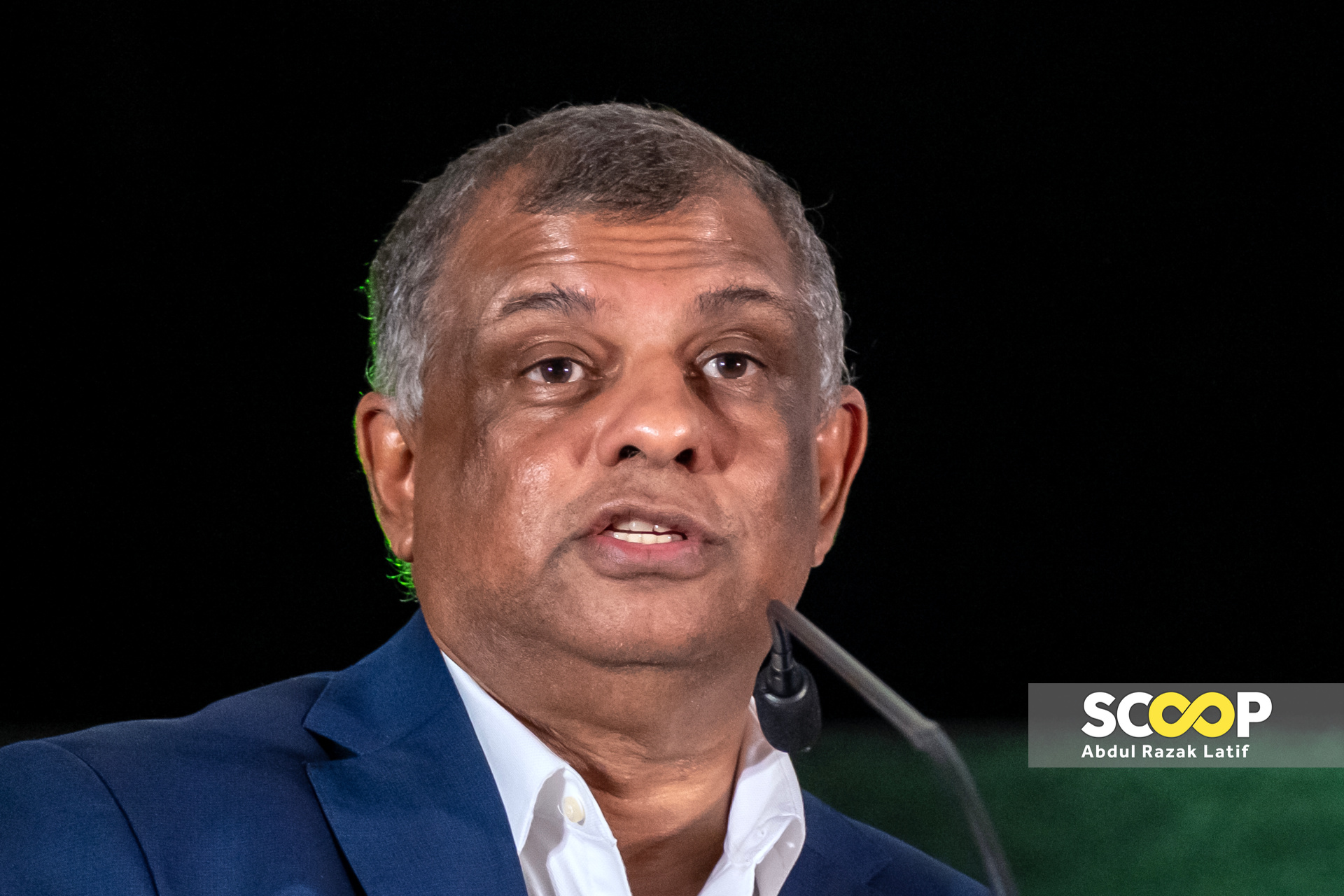
Tan Sri Tony Fernandes. - Scoop file pic, September 4, 2026


From take-off to turbulence: Tony Fernandes is eating his own words on meritocracy – A. Azim Idris


AirAsia’s financial struggles put the founder’s anti-crutch stance under the spotlight as the company seeks fresh funding


A. Azim Idris
Updated 11 hours ago

6 September, 2026
8:00 AM MYT


TAN SRI Tony Fernandes has long positioned himself as a champion of meritocracy — the belief that success should be earned through talent, innovation, and resilience rather than handouts


In fact, the charismatic Capital A Bhd chief executive officer has often styled himself as the poster child of meritocracy. On LinkedIn, he once boasted: “MERITOCRACY rules on our culture” at AirAsia, proudly citing cabin crew who rose to CEO roles and school dropouts who became pilots.

Fernandes, once inspired by Richard Branson’s Virgin playbook, dismissed quotas and subsidies as unnecessary, suggesting that talent and grit alone should determine success.

Just in May this year, he also railed against Malaysia’s “subsidy mentality.”

“We need to move away from this subsidy mentality. The billions spent on subsidies could be redirected into more productive industries, industries that create jobs, drive growth, and strengthen the economy,” he said, as quoted by Bernama.

These subsidies, as Fernandes conveniently forgets, are the very lifeline that helps ordinary Malaysians move on AirAsia, keeps them able to afford flight tickets, and underwrites the slew of add‑ons – from meals to baggage allowances, right up to travel insurance – that pad the airline’s bottom line.

I once booked a flight for two to Sydney. Just as we were about to pay online, we went back a page to re‑check some details. The whole booking was unceremoniously reset. Less than ten minutes later, the fare had jumped by RM500. That’s the kind of ‘meritocracy’ customers face — a system where affordability hinges not on grit, talent or meticulousness, but on timing, surge pricing, and opaque add‑ons.

Fernandes’ own rise as a non-Bumiputera entrepreneur was often held up as proof that one could thrive outside the state’s preferential policies. AirAsia’s story was meant to embody self-reliance, innovation, and market discipline.

AirAsia’s rise was built on that very narrative: a scrappy disruptor proving that efficiency and entrepreneurial daring could outfly legacy carriers.

In 2008, after a fallout with Malaysia Airlines, Fernandes went so far as to say the government should stop giving subsidies to MAS. The clash escalated when MAS withdrew discount privileges it had extended to him, after then‑managing director Idris Jala revealed that staff had protested Fernandes’ ‘negative statements,’ saying they felt hurt and frustrated by what they read in the news.

Yet, as Reuters recently reported, Malaysia’s finance ministry has hired Alton Aviation Consultancy to assess AirAsia’s funding needs, with the government weighing what support, if any, it can extend. And yes, that must likely be ‘meritocratic’ taxpayers spent on a foreign firm, and who knows at what cost.

The irony is striking. Meritocracy, once Fernandes’ rallying cry, now seems negotiable when his company’s survival is at stake.

According to Reuters, AirAsia is under severe financial pressure: a net loss of RM831 million in the second quarter, liabilities of RM18.4 billion against just RM954 million in cash, and fundraising efforts targeting up to US$1 billion in international debt markets plus RM700 million in local credit facilities.

The government’s involvement, Reuters noted, is driven partly by AirAsia’s role as a major employer and provider of affordable connectivity — but officials have no current plans for a direct bailout or guarantees.

This is not the first time AirAsia has flirted with state support. In 2021, its then-parent Capital A secured approval for a government-guaranteed loan of up to RM500 million, though it ultimately did not proceed because it required personal guarantees from Fernandes and co-founder Datuk Kamarudin Meranun.

Now, once again, the company is seeking endorsement to raise capital, even approaching other airlines for equity financing.

Of course, defenders will argue that airlines worldwide sought state support during crises, from Lufthansa to Singapore Airlines. But Fernandes’ own rhetoric makes AirAsia’s case uniquely awkward. He once dismissed subsidies that distort competition. Now, the crutch is exactly what he’s reaching for.

So where is meritocracy now? Perhaps it was always conditional — celebrated in good times, quietly shelved in bad. And perhaps the lesson here is that in Malaysia, as elsewhere, meritocracy is less a principle than a slogan, invoked when convenient, abandoned when survival demands it.

Fernandes, the self-styled meritocrat, is now eating his own words. – September 6, 2026


A. Azim Idris is a News Editor at Scoop


Why Is UMNO Suddenly in Such a Hurry?


Dennis Ignatius


~ Provoking discussion, dissent & debate on politics, diplomacy, human rights & civil society.

Why Is UMNO Suddenly in Such a Hurry?

Tags

, , , , ,


[1] Despite promising to support the Madani government until the end of its term, UMNO is now suddenly talking about the need for early elections. A party that has spent almost four years clinging to the coalition that rescued it from oblivion now insists the nation cannot possibly wait until 2028 to vote. The timing tells us everything.

[2] In October 2022, Ahmad Zahid Hamidi — then, as now, UMNO president — pressed a reluctant Ismail Sabri Yaakob to dissolve Parliament and call a snap election, even as Zahid was defending himself against 47 charges in the Yayasan Akalbudi case. His critics did not have to strain to connect his sudden electoral zeal to his mounting legal peril. The parallel with UMNO’s present urgency is difficult to miss: whenever accountability begins to close in, the party appears to look to the ballot box — not out of any tender regard for democracy, but in search of an escape hatch.

[3] This newfound urgency arrives precisely as Prime Minister Anwar Ibrahim presses ahead with a reckoning over past corruption — a reckoning that keeps returning, inconveniently, to UMNO’s own doorstep. Scrutiny of old cases is returning to the political agenda, and familiar names are again being summoned into the headlines. UMNO, for all its bluster, is plainly rattled.

[4] It is not hard to see why. This is not Johor or Negeri Sembilan, where the odds once felt comfortable. What worries UMNO is that every fresh investigation threatens to remind voters of the corruption scandals, impunity and abuses associated with the UMNO-led era. An election fought against that backdrop is not one UMNO can be confident of winning.

[5] Hence also the retreat to familiar ground. Watch how quickly UMNO has rediscovered its devotion to “Malay unity” and the supposed need to defend Malay rights. It is the oldest trick in the book. Whenever UMNO feels cornered, it reaches for the same strategy: change the subject from corruption to communalism, from what UMNO did to what others might do. PAS, of course, is a ready partner, eager to exploit any opening that may bring it closer to Putrajaya. It is all so predictable.

[6] But here is the point worth dwelling on. If UMNO is this frightened, it can only mean that Anwar is, at long last, doing something right. Holding the corrupt to account is exactly what UMNO fears most — for it was precisely the demand for accountability that helped bring about the party’s humiliating fall from grace in 2018.

[7] A string of defeats — Sabah, Johor and Negeri Sembilan — followed by UMNO’s readiness to stab him in the back was, it seems, the price of this awakening. It might smell of political opportunism, but I doubt Malaysians are complaining, because accountability, reform, backbone and a Malaysia for all Malaysians are what they voted for in the first place. For now, why Anwar has changed is less important than whether he will see this new course through.

[8] Elections need not be held until February 2028. That gives Anwar a window — albeit a narrow one — to win back the trust he squandered. To his credit, he appears to be using it. He is speaking of reform again. He is promising to defend Malaysia’s multicultural identity. He is even pledging stronger support for the Indian community he so thoroughly alienated earlier. Better late than never. 

[9] Malaysians may be open to giving Anwar another chance — but not the Anwar of the past few years. Not the Anwar of endless compromise, who flinched from defending minorities, governed as though the promise of 2018 had never been made, and behaved too often like just another UMNO powerbroker. What they want is the Anwar he now presents himself as: the one bringing the corrupt to justice and restoring principle to government. He is moving in the right direction, but he must go further still if he hopes to convince the electorate that this time he will follow through on his promises.

[10] But there can be no half-measures. He must be firm, committed and uncompromising. Above all, he must make clear that the PH reform agenda — not accommodation with ethnonationalist politics — is his priority. The nervousness now rippling through UMNO’s ranks is the surest sign in years that the government is finally on the right track. Anwar should take it as encouragement — and press on.


Dennis Ignatius | Kuala Lumpur | 04 September 2026

5 perkara tentang Mahathir dan Merdeka


5 perkara tentang Mahathir dan Merdeka

5 perkara tentang Mahathir dan Merdeka

Sama ada beliau berkuasa atau tidak, gelagat dan kata dua beliau akan sering menjadi buah mulut rakyat sekalian.

tajuddin rasdi

Kehebatan Tun M dalam politik memang tidak ada siapa yang boleh tandingi. Sama ada beliau berkuasa atau tidak, gelagat dan kata dua beliau akan sering menjadi buah mulut rakyat sekalian. Itu hebatnya Mahathir.

Beliau tidak perlu guna ayat al-Quran langsung dan tidak perlu ceramah berjela-jela dalam Facebook, cuma datang, duduk atas kerusi roda dan senyum sambil melambai. Itu pun sudah cukup untuk memulakan ribut taufan bersama halilintar.

Kenapa Tun M tak dijemput secara rasmi, ‘sound’ beberapa influencer yang becok berceloteh. Inikan suatu ketidakadilan kepada seorang tokoh negara? Sebenarnya saya pun agak setuju dengan teguran ini tetapi ada lima perkara yang perlu kita semua renungi dahulu.

Perkara pertama adalah apa yang disebut oleh Rafizi dalam podcastnya bila ditanya tentang isu ini. Saya berterima kasih dengan Rafizi yang memberi maklumat yang kita semua pun tak tahu. Kata Rafizi, Tun M sendiri yang mengubah protokol menjemput bekas perdana menteri untuk majlis penting seperti merdeka pada 2018.

Rafizi memberi alasan takkanlah Tun M nak duduk sebelah seorang penjenayah dan seteru beliau. Tetapi ada influencer yang tegur, Najib belum penjenayah lagi sebab baru buka kes. So, what’s the problem? Yang penting, seperti biasa, Tun memang bijak baling batu dan sembunyi tangan sambil senyum dan melambai.

Perkara kedua, kalaulah kita ada protokol untuk menjemput bekas perdana menteri atau kita ikut adab Melayu lah untuk jemput orang besar-besar, I must assume yang protokol tu dibuat dengan anggapan bahawa bekas perdana menteri tidak lagi berpolitik.

Dalam kes Tun M, beliau masih giat berpolitik dan rasanya sanggup memegang tampuk kerajaan sebagai PM untuk kali ketiga! Jadi, kalau begini rupanya, patutkah PM sedia ada menjemput seterunya dalam politik ke pentas Merdeka?

Perkara ketiga pula adalah Tun M telah membuat naratif bahawa Melayu akan hilang kuasa kalau tidak duduk di bawah satu payung besar. Sudah tentulah, payung tu dia yang punya. Jadi kalau semua Melayu duduk di situ kita boleh teka tiga kali siapa akan jadi PM.

Advertisement
Advertisement

Namun demikian, apa yang saya gusarkan adalah dengan membina naratif ini maka ia membuat suatu permusuhan dengan rakyat lain bukan Melayu termasuk Bumiputra semua. Patutkah seorang bekas PM yang menerajui negara dua kali dan masih membina naratif permusuhan antara Melayu dan bukan Melayu dijemput ke pentas duduk bersama parti PH yang tidak pernah menggunakan ras atau isu perkauman?

Saya pun tidak tergamak untuk duduk sebelah orang sebegini, tidak kisah lah dia PM berapa kali pun. Orang yang membuat kita bermusuh-musuh, bagi saya batang tubuh itu lah musuh terbesar negara kita.

Nasib baik Tun M tidak jadi seperti seorang guru agama yang nak buat kita bermusuh antara orang Islam dan bukan Islam, yang itu lagi ‘haru’ kata orang utara. Saya rasa Tun M baik sikit daripada tok guru agama yang pandai tafsir Quran ikut suka dia.

Perkara keempat adalah Tun M telah pernah membuat naratif Malaysia ini bukan negara multicultural sebab tidak ada disebutkan dalam konsep Malaysia secara undang-undang. Sekali lagi beliau memainkan isu ‘pendatang’ dan memainkan lagu lama bahawa pendatang akan take over everything kalau Melayu tak sedar dan tak bersatu. Same old song but very efective still.

Maklumlah orang Melayu ramai tidak belajar falsafah dan sejarah peradaban dunia. Kebanyakan Melayu belajar kejuruteraan, seni bina, perubatan, undang-undang dan bila pencen baru mengadap kuliah agama.

Mahathir adalah seorang pembaca tegar dan dia faham selok belok sejarah Malaysia dan dunia. Sejarah subjek kegemarannya, saya baca dalam buku beliau A Doctor in the House. Saya memang baca banyak buku Tun M, saya rasa empat buah kesemuanya. Jadi, kita kena tanya diri kita sebagai rakyat, do we want someone yang tidak admit kita negara multicultural?

Perkara kelima, memanglah dari satu sudut, kita patut jemput orang tua itu. Memang kita patut honor seorang pemimpin seperti Tun M. Tetapi jika batang tubuh itu sendiri bergerak untuk mengkucar-kacirkan kita semua, what should we do?

Pada 2016, Tun M berkempen untuk menyelamatkan Malaysia daripada perompak 1MDB. Beliau ke hulu dan ke hilir menjaja Malaysia bakal bankrap dengan si perompak ini. Bagi saya, we owe Tun M a debt of gratitude sebab dengan kempen itu kita rakyat dapat menumbangkan Umno sebagai gergasi berkuasa.

Dalam bab itu, Tun M memainkan peranan kita sebagai a united rakyat to save our country. Tetapi apabila beliau memainkan sentimen perkauman untuk menjatuhkan kerajaan perpaduan, that is an entirely different matter.

Maka itu, kita kena renung sendiri sama ada kita nak bagi hormat atau tidak kepada orang seperti Tun M. Saya sendiri amat menghormati beliau dalam banyak perkara seperti ketegasan beliau tentang ekstremis agama, tentang menimba ilmu dan memahirkan diri dalam sains, teknologi dan Bahasa Inggeris.

Tetapi saya tidak akan berkompromi kepada sesiapa pun yang cuba menjurangkan hubungan baik kita sebagai rakyat Malaysia dengan meniup bahang kaum, agama atau sejarah.That is the line I will not allow anyone to cross.

Itu jalur pemisah antara Merdeka sebagai rakyat dengan mereka yang nak menjatuhkan idea negara-bangsa kita.