
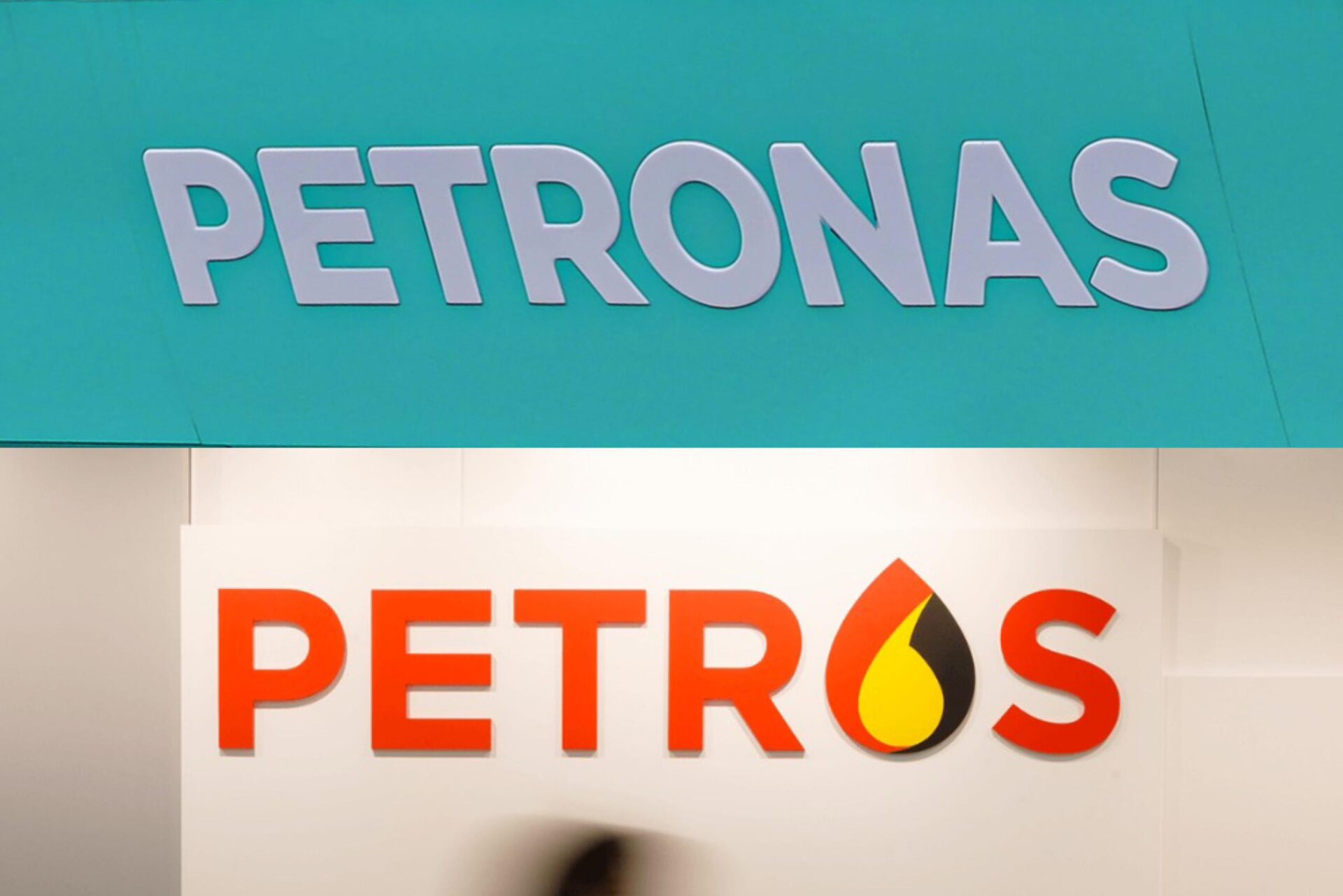
The ongoing corporate espionage trial involving an alleged leak of Petronas business secrets to Petros has added another layer of complexity to efforts to resolve the Petronas-Petros dispute and broader federal-state oil and gas issues. - Scoop combo pic, July 9, 2026
The Petros-Petronas issue: Can there be a win-win solution? – Zainul Arifin
A zero-sum outcome where the winner takes all will ensure everyone loses

Zainul Arifin
Updated 18 hours ago
10 July, 2026
8:00 AM MYT
The Petros-Petronas issue: Can there be a win-win solution? – Zainul Arifin
A zero-sum outcome where the winner takes all will ensure everyone loses
Zainul Arifin
Updated 18 hours ago
10 July, 2026
8:00 AM MYT
AN ongoing trial of what is likely to be the highest profile corporate espionage in Malaysia may well be the impetus to resolve soonest the current legal imbroglio between Petronas and Sarawak’s own Petros, as well as the seeming standoff between Putrajaya and Kuching on oil and gas matters in the state.
The allegation of Petronas business secrets being leaked to Petros when both are having talks can only suggest mistrust, and if that is true it is an underhanded move to get clarity of another’s strength and vulnerabilities that will surely be beneficial at the negotiating table.
Alas, the alleged leak is yet another layer weighing in on top of an already difficult and protracted effort for a solution that will address Sarawak’s ambitions as well as the national interest in the oil and gas sector.
Of course, this may all be untrue and the conclusion on the on-going trial of an ex-Petronas employee charged with spilling company secrets to Petros may prove to be just that, too.
It must be noted that Petros has publicly distanced itself from the allegation, adding that it has not been privy to the unauthorised document allegedly sent to its chief executive officer and financial controller. It also said that it respects and will not interfere with the legal proceedings.
But the optics, man, are not great.
For Petronas, not only will the alleged leak affect how it interacts with Petros, but for a corporation with many huge international deals and partners such an incident is not helpful to its image as a top notch oil and gas player.
The trial of the Petronas employee, who has since been removed from the company, for illegally sharing the company’s restricted documents of its the upstream unit thus far has not unearthed what was the motive of the employee to do what he is alleged to have done – was he induced or was he acting on his own accord? Was it a friendly sharing of information without any nefarious intent?
The alleged incident in late 2024 would have happened when the two companies were talking of how to divvy up the state’s gas business, as well as to determine the national oil company’s conduct and operations there.
Not much progress has been made on the issue, in fact they found themselves at the opposite end of several issues that both companies have been going to the courts to plead their cases and to help them arrive at something that they cannot.
Notwithstanding the legalese and representations on oil and gas operations in the state, things have evolved into philosophical musings with real world consequences. The courts are asked to decide which of the laws, Federal or Sarawak’s, reigns supreme when it comes to the oil and gas reserves in Sarawak – between the Petroleum Development Act, 1974, and Sarawak’s Oil Mining Ordinance, 1958.
In fact this may even be an existential threat to the sanctity of the national constitution since if a law of the land is not deemed to be supreme, what is to become of the rest of them? But that of course is an alarmist point of view.
Similarly, on the political front, despite various pronouncements over the past few years from Putrajaya and Kuching that the matter is close to a resolution, it clearly has not. And it is likely not to be resolved so soon as a State-Federal dispute can be an appealing grist for the political wheel. Perhaps ahead of an election, be it the State or Federal, the issue will be fodder on campaign rounds when hustings for votes, too. But, I digress.

For Petronas, not only will the alleged leak affect how it interacts with Petros, but for a corporation with many huge international deals and partners such an incident is not helpful to its image as a top notch oil and gas player. – Bernama file pic, July 10, 2026
Despite murmurings and protestations, Petronas for 50 years has been the sole body to coordinate and develop oil and gas resources in the country,
The murmurings have gone louder over the
past few years, especially from Sarawak, and subsequently other producing states like Sabah and Terengganu, too. Essentially, they argue that they have not benefitted as much from the exploitation of the resources in their states.
And with Sarawak and Sabah there are also the promises that were made when the two agreed to join Malaya and Singapore, which left soon after, to form Malaysia. This has been a highly emotional and political issue that is not going away any time soon, and is a potent component in the heady mix of Sabah/Sarawak-Semenanjung politics.
With this in the background, the corporate espionage case, and all the other cases, once adjudicated will not end the dispute between the parties.
Also, in the courts, someone will lose, and the losers of a protracted and messy legal process are unlikely to be happy. It can also be argued that the winners will also not be able to crow either.
Perhaps we should look beyond the courts, as seeking arbitration and adjudication suggests adversarial positions that cannot be resolved with talks and compromise. In fact, being of one nation, we should try to smooth things at the table.
The Petros-Petronas issue does not have to be a zero sum game, where the winner takes all. Let’s not let the courts be the arbiter of who will be the winner, and the loser. In an issue between a state and the country, the winner will unfortunately be the loser, too.
We can take a leaf from the various joint development models that Malaysia is in when faced with overlapping maritime boundary claims with its neighbours. The joint developments, without prejudices, allow Malaysia, Thailand, Vietnam and Indonesia to put on the shelves their territorial claims, and yet not be paralysed from developing and economically benefitting from the disputed territories.
Ideally, all decisions must be made with Petros, Petronas, Sarawak and Malaysia in mind. Despite competing claims and interests, at the end, like the joint development areas, it must be a business decision that benefits everyone.
It will be a series of compromises, that all parties must commit to, lest the issue be hijacked as the hobby horse for politicians looking for quick wins. – July 10, 2026
Despite murmurings and protestations, Petronas for 50 years has been the sole body to coordinate and develop oil and gas resources in the country,
The murmurings have gone louder over the
past few years, especially from Sarawak, and subsequently other producing states like Sabah and Terengganu, too. Essentially, they argue that they have not benefitted as much from the exploitation of the resources in their states.
And with Sarawak and Sabah there are also the promises that were made when the two agreed to join Malaya and Singapore, which left soon after, to form Malaysia. This has been a highly emotional and political issue that is not going away any time soon, and is a potent component in the heady mix of Sabah/Sarawak-Semenanjung politics.
With this in the background, the corporate espionage case, and all the other cases, once adjudicated will not end the dispute between the parties.
Also, in the courts, someone will lose, and the losers of a protracted and messy legal process are unlikely to be happy. It can also be argued that the winners will also not be able to crow either.
Perhaps we should look beyond the courts, as seeking arbitration and adjudication suggests adversarial positions that cannot be resolved with talks and compromise. In fact, being of one nation, we should try to smooth things at the table.
The Petros-Petronas issue does not have to be a zero sum game, where the winner takes all. Let’s not let the courts be the arbiter of who will be the winner, and the loser. In an issue between a state and the country, the winner will unfortunately be the loser, too.
We can take a leaf from the various joint development models that Malaysia is in when faced with overlapping maritime boundary claims with its neighbours. The joint developments, without prejudices, allow Malaysia, Thailand, Vietnam and Indonesia to put on the shelves their territorial claims, and yet not be paralysed from developing and economically benefitting from the disputed territories.
Ideally, all decisions must be made with Petros, Petronas, Sarawak and Malaysia in mind. Despite competing claims and interests, at the end, like the joint development areas, it must be a business decision that benefits everyone.
It will be a series of compromises, that all parties must commit to, lest the issue be hijacked as the hobby horse for politicians looking for quick wins. – July 10, 2026
Datuk Zainul Arifin is the Chief Executive Officer of Big Boom Media that publishes Scoop.my


No comments:
Post a Comment