British Royal Navy Will Field No Destroyers By 2040: Next Generation Type 83 Ships Cancelled as Ageing Type 45s Approach Retirement
North America, Western Europe and Oceania , Naval
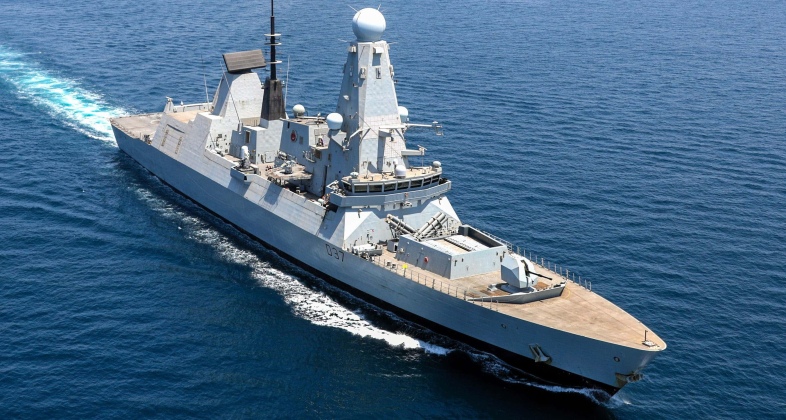
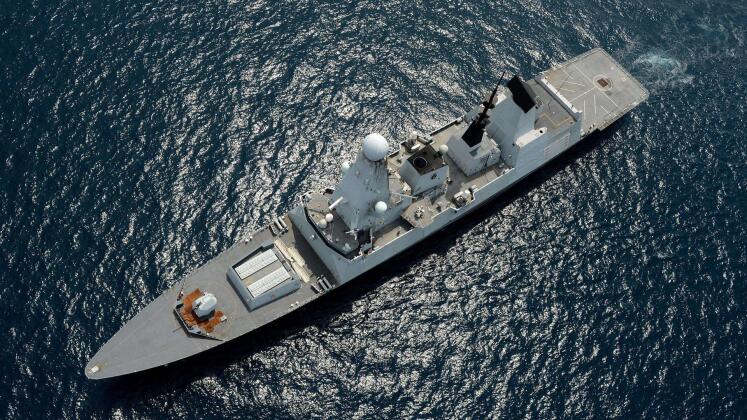
The British government has confirmed the cancellation of the planned Type 83 class destroyer program, which was intended to provide a much needed replacement for the Royal Navy’s six ageing Type 45 class destroyers. The decision marks a dramatic reversal of policy, with the Type 83 having formally entered its concept phase in 2025 as the centre of the Royal Navy’s Future Air Dominance System program. The new ships were intended to replace the Type 45 fleet from the late 2030s, with ministers repeatedly describing the Type 83 as the future backbone of Britain’s maritime air defence capability. The decision to cancel development will leave the Royal Navy with no destroyers by 2040, and possibly sooner, as the Type 45 class is scheduled to be retired without a direct replacement by 2038.
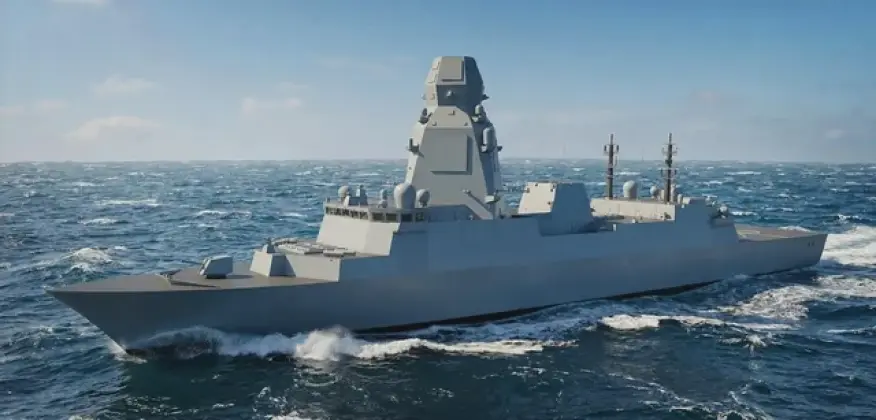
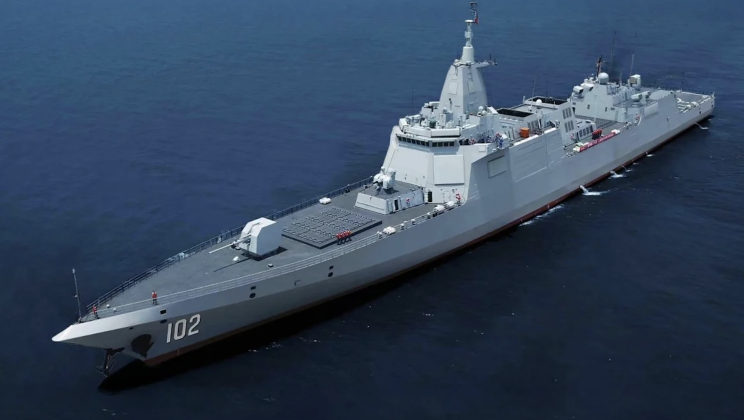
While it was previously uncertain whether the Type 45 would have a successor, or whether the Royal Navy would transition to a surface combat fleet formed exclusively of lighter frigates and corvettes, a surge in defence spending from 2022, an the escalation of tensions with Russia, strengthened support for increasing funding for the Navy. The Type 83 class program began to gain traction in 2025, with Defence Minister Luke Pollard having revealed in September that year that it would be a “minimally (or optionally) crewed” vessel, and was “planned to enter service from the mid-2030s.” One of its most significant improvements over the Type 45 was the integration of 70-128 vertical launch cells, compared to just 48 cells on the Type 45 class ships, 96 on U.S. Navy Arleigh Burke class destroyers, and 112 on Chinese Type 055 class destroyers. It would thus narrow the currently very wide gap in firepower between British destroyers and those of leading naval powers.
The cancellation of the Type 83 destroyer program has occurred as major powers are rapidly building up their fleets of large surface combat ships. China is currently producing destroyers at a comparable rate to all other countries combined, while North Korea in 2025 launched its first two destroyers and plans to launch two per year, allowing it to overtake Britain’s fleet in size in 2029 and reach double its numbers in 2031. The U.S. has meanwhile continued development of both the DDG(X) next generation destroyers and the much larger BBG(X) nuclear powered capital ship under parallel programs. The standings of British surface combat ships, and those of European states more broadly, have long been in decline, with the Type 45 considered one of the least capable and most lightly armed destroyers in the world. The elimination of a destroyer fleet is thus fully in line with prevailing trends.
The cancellation of the Type 83 program reflects mounting financial pressures on Britain’s defence budget, as over recent years, rising costs across nuclear deterrence programs, combat aircraft procurement, and broader military modernisation have forced increasingly difficult choices regarding future capabilities. It also follows growing questions regarding the defence sector’s ability to produce complex armaments on schedule, cost effectively, and with acceptable reliability. Earlier reports had suggested the Type 83 might simply be delayed because of budget constraints, but the latest Defence Investment Plan instead abandons the class entirely in favour of less expensive platforms focused on autonomous warfare. Analysts have widely warned that autonomous systems cannot entirely replace large, heavily armed destroyers.
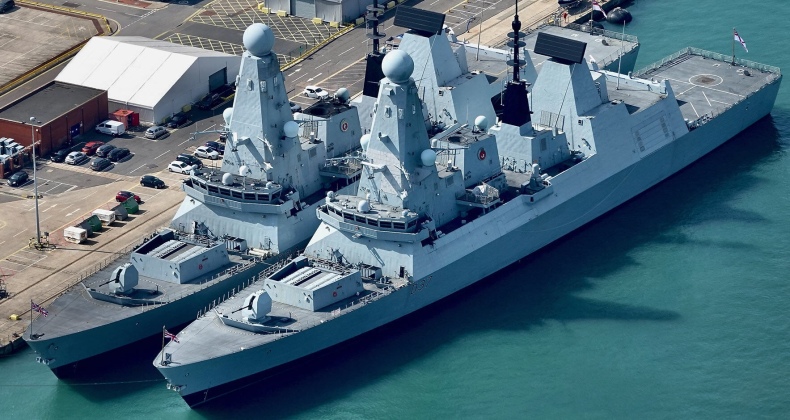
The Type 83 was expected to possess substantially greater power generation, sensor capacity, missile magazine depth and command facilities than the Type 45, enabling it to counter future generations of long-range missiles and coordinate complex fleet air-defence operations. Analysts have widely argued that no currently envisioned autonomous architecture can fully substitute for a purpose-built destroyer during high-intensity naval warfare against peer adversaries. Nevertheless, it was from the outset highly questionable whether British industry could develop a next generation destroyer, with the availability rates of the Type 45 having been notoriously poor as the ships have been prone to frequent breakdowns particularly when operating in warm waters. The more recently built Queen Elizabeth Class aircraft carriers have also suffered from serious performance issues including multiple instances of breakdowns and flooding, while the country’s capacity to maintain its submarine fleet has remained outstandingly poor with availability rates being far below acceptable levels, and having recently fallen to zero.


Military Watch should write more on the navy in its own backyard, like what is happening to the Admiral Kuztnetsov ( the one that belches out so much black smoke you you don't need satellites or radar to find it, and currently has no possible repair date).
ReplyDeleteor the remnants of the Russian Black Sea fleet that now been moved as far East as possible away from Ukraine and rarely dares to venture out into the Black Sea.
The Russia navy can't even rule the Black Sea.