Thursday, July 30, 2026

As polling day nears, what’s on Negeri Sembilan voters’ minds?


As polling day nears, what’s on Negeri Sembilan voters’ minds?


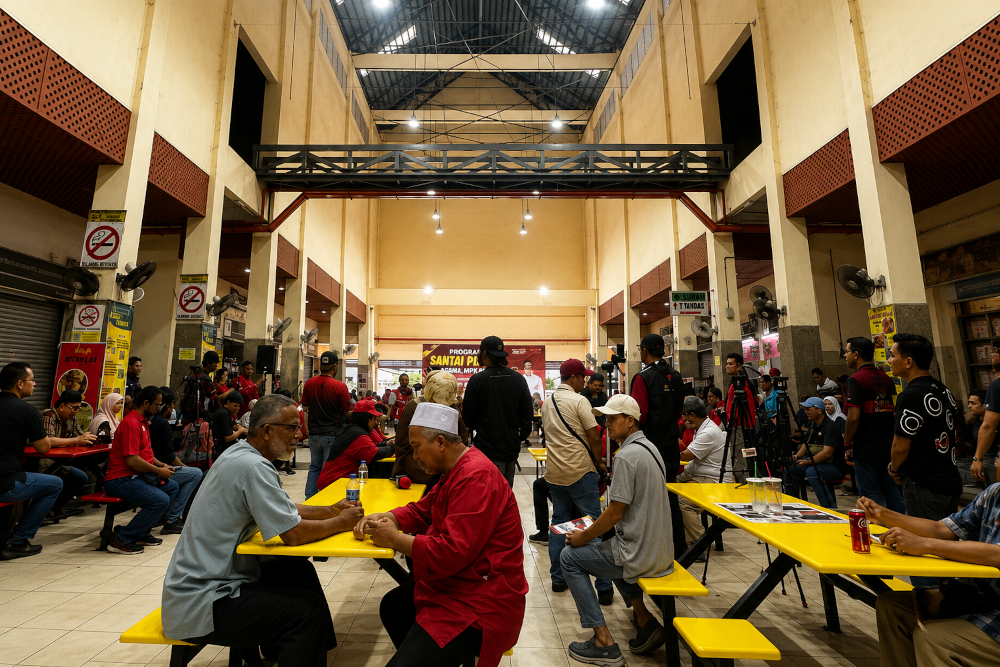
Benteng Ampangan, a food court and local hangout for Ampangan folks and others in the vicinity, right opposite of it is the Ampangan UTC. — Picture by Soo Wern Jun


Summary

  • Over the past decade, Negeri Sembilan has undergone significant development, with improvements in public facilities, businesses, and housing, leading to enhanced opportunities and interaction among diverse communities.
  • Despite visible growth, voters remain concerned with governance, the preservation of the state's customary institutions, and the impact of political changes, especially following the end of the Pakatan Harapan-Barisan Nasional alliance.
  • Residents emphasize the importance of continued development and stable governance, expressing a desire for programs that improve daily life beyond the election period.


By Soo Wern Jun
First Published: Thursday, 30 Jul 2026 4:00 PM MYT


SEREMBAN, July 30 — Over the past decade, Aina Mohamed, 33, has watched Negeri Sembilan evolve, with new public facilities, businesses and housing developments changing parts of the state that once felt much quieter.

The Negeri Sembilan native, who lives in Ampangan, said the changes were easy to spot, from the opening of the Urban Transformation Centre (UTC) and new commercial areas to the transformation of towns across the state.


“Areas that used to feel neglected are cleaner now. There are more businesses, more facilities and more opportunities,” she said.


She pointed to Port Dickson as another example of how much the state has changed.


“There are countless cafés there now, and the waterfront looks so much better than it used to. Before this, there wasn’t much for people to do.”


For Aina, development is the clearest sign of how Negeri Sembilan has changed, but she acknowledged that voters will also weigh issues beyond physical transformation as they head to the ballot box.

Alongside the state’s physical growth, she said she had also noticed changes in how communities interact.


She said it had become less common for people to associate certain neighbourhoods with a particular race, as residents from different backgrounds increasingly gather in the same public spaces.

“People used to say certain areas ‘belonged’ to one race. Now everyone goes to the UTC, the markets, the sports complex, cafés and restaurants together.

“I don’t really see racial issues among ordinary people anymore,” Aina said.

She believes Negeri Sembilan’s — particularly Seremban 2’s — relatively affordable housing and proximity to the Klang Valley have attracted more people to the state, bringing new businesses as well as heavier traffic.

“But if you ask me, it’s not that bad, the heavier traffic only means that there is life in Seremban, and with that there are job opportunities for the locals,” she added.

Interviews with residents, community leaders and grassroots political figures across Seremban, Port Dickson and Nilai suggest that while development remains a key measure of performance, voters are also thinking about governance, the state’s unique customary institutions and what comes after polling day.

Unlike the 2023 election, when Pakatan Harapan (PH) and Barisan Nasional (BN) contested as allies, this year’s election sees the two coalitions facing each other after BN ended its electoral cooperation with PH.
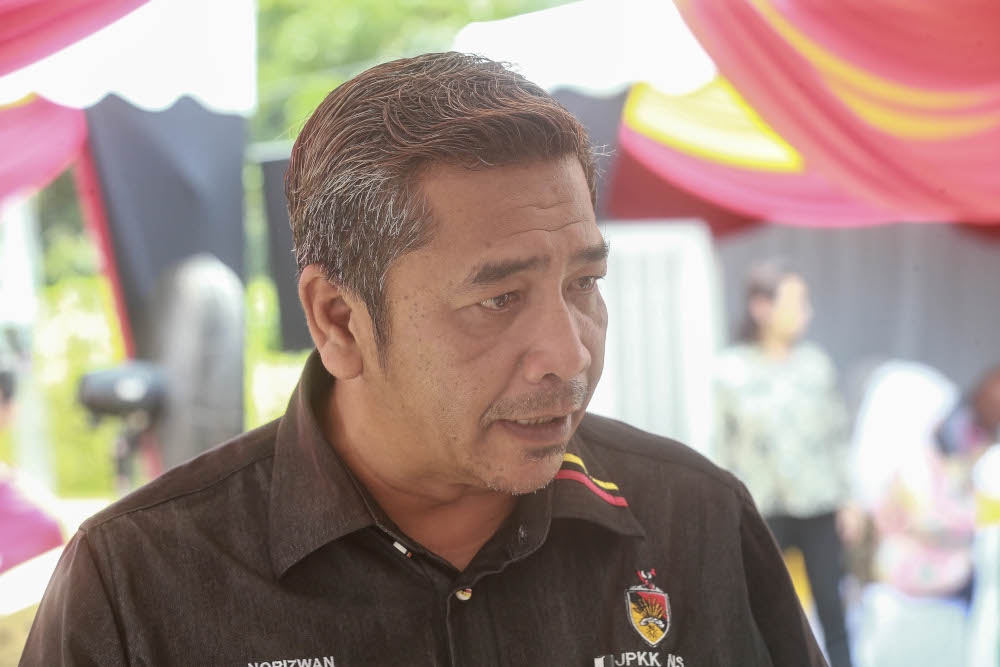


Norizwan Zainal Abidin, Kampung Mantin Dalam Village Development and Security Committee (JPKK) chairman. Although BN and DAP are once again contesting against each other in this election, Norizwan said their working relationship under the unity government had allowed development programmes and village administration to continue without major disruption. — Picture by Sayuti Zainudin


Bersatu is also contesting independently, reshaping the political landscape for voters.

Politics should not get in the way of daily life


For Noradzam Ali, 57, a businessman born and raised in Negeri Sembilan, the state election has brought more disruption than excitement.

While he accepts elections as part of democracy, he questioned whether dissolving the state assembly was necessary, saying it had disrupted the routines of many residents, particularly business owners.

“Business has to go on. People still have to work and earn a living,” he said.

At the same time, Noradzam said he was uncomfortable with attempts to inject race into the campaign.

“It’s unpleasant when people keep bringing up race. That’s not something we should be playing with.

“Politicians should focus on issues that affect people’s everyday lives because people are more concerned about earning a living, running their businesses and taking care of their families,” he said.

People outside Negeri Sembilan may not understand

Faridah Sajoli, 45, said many Negeri Sembilan residents simply want the state’s unique customary institutions preserved.

She said the ongoing dispute involving Negeri Sembilan’s customary leadership had left many residents uncertain.

“People outside Negeri Sembilan may not understand it, but ‘adat’ is very important to us.

“To date, many who are born and still live here respect and follow these customary ways of doing things, for example weddings and land matters,” she said.

She said the state had functioned well because elected leaders and traditional institutions worked together.

“Before all this happened, everything was fine.”

Now, she said, many constituents feel caught in the middle.

“We’re confused over why these things are happening, but above all it’s a disruption that we didn’t want.

“The uncertainty has also affected those waiting for land-related approvals,” she said.

Despite the political dispute, Faridah believes caretaker Menteri Besar Datuk Seri Aminuddin Harun has delivered visible development.

“If you ask me personally, I think he has done his job. People can see the changes.”

Aminuddin is seeking a fresh mandate in Linggi after leaving the Sikamat seat he had represented since 2018 for one of the state’s most closely watched contests.

Cooperation beyond party lines

In Kampung Mantin Dalam, which falls under the Nilai state constituency, cooperation between leaders from different political parties has become part of everyday administration over the past three years.

Norizwan Zainal Abidin, the Barisan Nasional (BN) Nilai division chief who also chairs the Kampung Mantin Dalam Village Development and Security Committee (JPKK), has been working with Nilai assemblyman Arul Kumar Jambunathan from DAP.



Transport Minister Anthony Loke who is also Seremban MP and Chenah incumbent addresses Nilai folks and their concerns for road safety. — Picture by Sayuti Zainudin


Although BN and DAP are once again contesting against each other in this election, Norizwan said their working relationship under the unity government had allowed development programmes and village administration to continue without major disruption.

The village and surrounding communities are home to around 3,450 people.

He said infrastructure, public facilities and road safety remained among residents’ biggest concerns.

“What we need is better infrastructure, public facilities and improvements to the quality of life,” Norizwan said.

He said federal programmes, including those under Santuni Madani, had continued despite the state assembly being dissolved.

Still, he acknowledged that changes could follow once a new government is formed.

“When leadership changes at the top, naturally those changes will eventually reach the grassroots.”

He believes BN is in a stronger position than many expect as it seeks to defend traditional strongholds such as Rantau, represented by Umno deputy president Datuk Seri Mohamad Hasan, and Pertang, where Negeri Sembilan Umno chief Datuk Seri Jalaluddin Alias is defending his seat.

Looking beyond polling day

The people Malay Mail spoke to do not all share the same political views.

Some welcomed the state’s visible development, others questioned the political uncertainty surrounding the election, while others focused on preserving Negeri Sembilan’s customary institutions or expressed support for different political parties.

Yet despite those differences, many returned to the same concerns: continued development, stable governance and the hope that, once polling day is over, attention can return to improving the lives of ordinary people.

As voters cast their ballots on Saturday (August 1), attention will not only be on closely watched contests such as Ampangan, Linggi, Nilai, Rantau and Pertang, but also on Chennah — featuring Transport Minister Anthony Loke — and Gemencheh, a BN stronghold where PH is attempting to make inroads.

For many residents, the election is about more than which coalition forms the next government.

As Noradzam put it: “People just want to keep what has been working well and maintain this status quo.”

‘Creative accounting’ led to flawed RM2.75b Tabung Haji payout, RCI finds


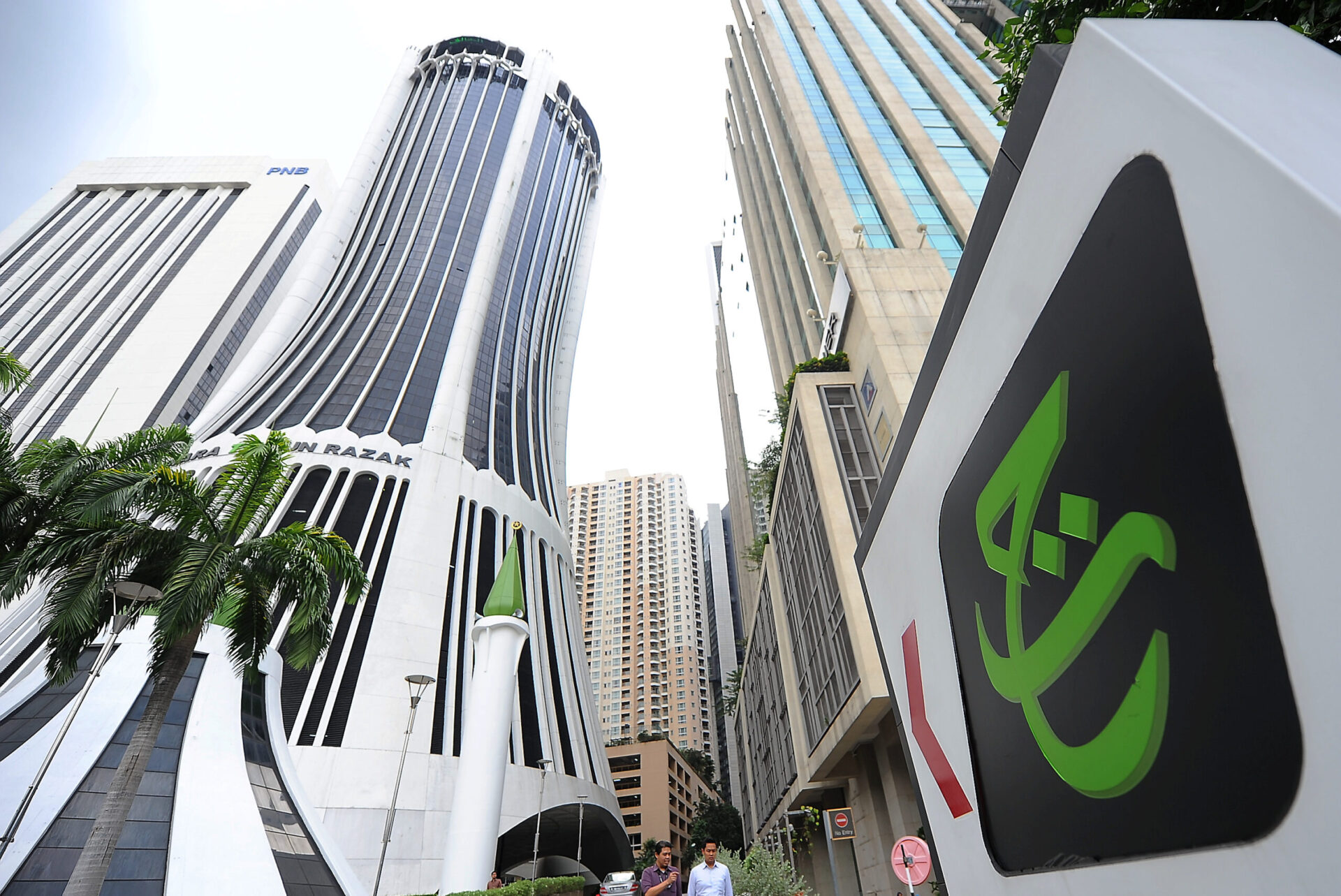
The commission said TH's aggressive approach to paying high hibah from 2014 to 2017, beyond its financial capacity was among the factors that contributed to the fund's financial crisis, according to its report released on Wednesday night. - Bernama file pic, July 30, 2026


‘Creative accounting’ led to flawed RM2.75b Tabung Haji payout, RCI finds


National Audit Department failed to flag unsustainable distributions between 2014 and 2017


Scoop Reporters
Updated 28 seconds ago
30 July, 2026
10:25 AM MYT


KUALA LUMPUR — Lembaga Tabung Haji (TH) should not have declared a 4.50% annual profit distribution (hibah) alongside a 1.75% hajj hibah totalling RM2.75 billion for the 2017 financial year, according to the Royal Commission of Inquiry (RCI).

In its report released on Wednesday night, the commission revealed that TH’s aggressive push to pay high hibah from 2014 to 2017 — well beyond its actual financial capacity — was a primary factor driving the pilgrimage fund into a financial crisis.

The RCI further uncovered that management had engaged in “creative accounting” practices to justify and enable the high payout declarations.

Despite these issues, TH’s financial statements from 2014 to 2017 received unqualified audit opinions, even though the 2017 audit report explicitly contained an “emphasis of matter”.


Audit department criticised

Addressing the 2017 audit, the RCI stated that the National Audit Department (NAD) erred in issuing an unqualified audit opinion, arguing that the issue highlighted under “emphasis of matter” ought to have been classified as non-compliance.

The commission noted that the Auditor-General factored in matters outside the audit scope when evaluating TH’s 2017 statements, reflecting a clear lack of firmness on the department’s part. Furthermore, the NAD failed to raise warnings regarding the unsustainable payouts made throughout the four-year period.


Risk of bank run

The report highlighted that the overly generous distributions depleted TH’s reserves and shifted the fund away from its core mission.

“These high hibah payments attracted depositors seeking higher returns. In meeting those expectations, TH drifted from the objectives for which it was established.

“This exposed TH to the risk of large-scale withdrawals, or a bank run, if the hibah declared was considered too low,” the report read.

This risk materialised in 2019 following the announcement of a reduced 1.25% hibah rate, triggering a visible contraction in deposit levels.

“TH’s deposits declined from about RM73 billion before the hibah announcement to RM69 billion by the end of 2019. TH was fortunate that the withdrawals, and their impact, were smaller than feared,” the report added.

Reiterating its stance, the RCI maintained that the National Audit Department should have formally objected to any hibah declarations that exceeded TH’s financial capability. — July 30, 2026


Tabung Haji should have posted RM1.4b loss in 2017, not RM3.4b profit: RCI


The RCI report, released yesterday evening, said TH's financial position was already in a critical state in 2017 and that the institution would have reported a loss had the Malaysian Financial Reporting Standards (MFRS) been fully applied. - Bernama file pic, July 30, 2026


Tabung Haji should have posted RM1.4b loss in 2017, not RM3.4b profit: RCI


The Royal Commission of Inquiry says Lembaga Tabung Haji's true financial position was already critical in 2017, with accounting shortcomings and years of unrecognised impairments masking a net loss while hibah continued to be paid


Scoop Reporters
Updated 50 seconds ago
30 July, 2026
12:02 PM MYT


KUALA LUMPUR — Lembaga Tabung Haji (TH) should have recorded a net loss of RM1.4 billion for the 2017 financial year instead of the RM3.4 billion profit reported in its financial statements, according to the findings of the Royal Commission of Inquiry (RCI).

The RCI report, released yesterday evening, said TH’s financial position was already in a critical state in 2017 and that the institution would have reported a loss had the Malaysian Financial Reporting Standards (MFRS) been fully applied.

The findings corroborate concerns previously raised by PricewaterhouseCoopers (PwC) in its review of TH’s financial position between 2014 and 2017, including a persistent deficit between the fund’s assets and liabilities dating back to 2014.

According to the report, PwC found that TH failed to carry out impairment assessments on investments in associated companies, financing and investments extended to subsidiaries, and fixed income instruments. It also found that TH did not comply with Financial Reporting Standard (FRS) 140 relating to declines in the fair value of investment properties.

The commission further found that TH distributed hibah for the 2017 financial year without accounting for impairment losses and declines in the value of its investments. It also recorded dividend income from subsidiaries even though the dividends had not been paid to the fund.

The report identified several factors behind TH’s financial crisis, including consistently high hibah payouts, questionable accounting practices, the Auditor-General’s lack of firmness, the expansion of TH’s vision to include becoming a pillar of the ummah’s economy, and mounting liabilities under the Haj Financial Assistance (HAFIS) programme. – July 30, 2026


Iran war live: US attack kills Iranian couple, toddler on Qeshm Island


Iran war live: US attack kills Iranian couple, toddler on Qeshm Island


The Ghost Towers of Ambition: Forest City and the Sihanoukville Syndrome


Murray Hunter


The Ghost Towers of Ambition: Forest City and the Sihanoukville Syndrome


Murray Hunter
Jul 29, 2026


Forest City, the glittering Malaysian mega-project once hailed as a futuristic Shenzhen-on-the-Strait, is making headlines again for all the wrong reasons. Just a week after the controversial shutdown of the Network School, an international entrepreneurship incubator accused of various ideological transgressions, Johor police busted a major scam operation running from converted apartments and bungalows within the development.

On July 15, 2026, authorities arrested 335 suspects predominantly Chinese nationals operating fake cryptocurrency investment and love scam syndicates targeting victims in China and Indonesia.

Police seized hundreds of computers, over 1,500 mobile phones, and equipment worth millions. Two syndicates were dismantled: one acting as customer acquisition agents on Telegram, WhatsApp, and TikTok, the other impersonating law firms. Masterminds remain at large, with Interpol now involved. This comes against Forest City’s backdrop as a low-occupancy “ghost city,” plagued by smuggling, drug trafficking, and human movement via its duty-free status and coastal vulnerabilities.

The parallels with Sihanoukville, Cambodia, are striking and ominous. Both were grand visions of transformation through Chinese capital and connectivity. Both have morphed into cautionary tales of speculative bubbles, regulatory voids, and criminal repurposing of empty real estate.
Sihanoukville’s Descent


Sihanoukville, once a sleepy backpacker beach town, exploded in the mid-2010s under China’s Belt and Road Initiative (BRI) influence and a flood of private Chinese investment. Casinos proliferated, many catering to online gambling aimed at evading China’s mainland bans. By 2019, the city had become a “new Macau,” with Chinese-owned businesses dominating over 90% of the economy at peak. Billions poured into high-rises, hotels, and resorts. Land prices skyrocketed, construction boomed, and the Chinese population swelled.

The bubble dramatically burst. Cambodia’s 2019 online gambling ban, prompted by Chinese pressure over crime and capital flight, emptied casinos overnight. COVID-19 lockdowns finished the job. Investors and workers fled, leaving hundreds of unfinished “ghost buildings” where estimates run to 400-500 stalled projects, some skeletons dominating the skyline. Infrastructure strained, local communities displaced or marginalized, and crime filled the vacuum.

Empty towers and hotels proved perfect for scam compounds. Transnational syndicates, often Chinese-led, trafficked workers from across Asia and beyond, forcing them into “pig butchering” romance scams, crypto fraud, and more under brutal conditions with beatings, electric shocks, passport confiscation.

Sihanoukville earned the nickname “Scambodia.” Raids freed thousands, but operations persist or relocate, with UN reports highlighting links to drug trafficking and money laundering. Grand projects like certain eco-cities remain speculative amid environmental and financial doubts. What began as legitimate (if chaotic) development became a haven for predatory capitalism exploiting weak governance.

Some of these scamming syndicates moved and opened up in other places including Forest City.
Forest City’s Parallel Path


Forest City shares the DNA. Developed by Country Garden as part of Iskandar Malaysia’s ambitions, it aimed for high-end residences, hi-tech startups, and a thriving delta economy linking to Singapore. Duty-free incentives and special visas were meant to lure talent.

Instead, low occupancy turned it into a speculative asset with vast underused spaces ideal for illicit activity. Smuggling (alcohol, drugs like syabu), human movement, and now overt scam centers have stained its reputation.

The recent busts, involving mostly foreign operators in luxury units, echo Sihanoukville’s pivot from gambling/construction to cybercrime. The forced closure of Network School, framed by authorities around sovereignty and licensing, has raised investor confidence questions and sends a signal: “good” tenants promoting entrepreneurship and ideas may face hurdles, while shadowy operations exploit the emptiness. Police noted no direct link to prior “foreigner training” allegations, but the optics reinforce perceptions of selective enforcement.

This isn’t mere coincidence. Mega-projects in weak regulatory environments attract short-term speculative capital, often from networks blending legitimate business with gray economies. Low density and special zones lower barriers. When legitimate demand falters, due to issues like geopolitics, pandemics, or policy shifts, criminal enterprises fill voids. Empty apartments become call centers; construction sites hide compounds. Local benefits remain minimal while reputational damage and enforcement costs mount.
Broader Lessons


Sihanoukville’s experience warns of “compound capitalism”, enclosed ecosystems where syndicates control space, labor, and flows beyond state reach. Forest City risks similar entrenchment if occupancy stays low. Malaysia’s ambitions for Johor as a high-tech, high-value hub clash with realities of elite-driven projects detached from organic demand. Good ideas and clean tenants, like the Network School, reportedly find resistance, while scams thrive in the shadows.

The irony is sharp. Visions of Shenzhen-style dynamism yield Kawthaung or Sihanoukville-style notoriety with smuggling hubs, trafficking routes, and scam factories. Billions in potential value evaporate into ghost infrastructure and criminal rents. Masterminds evade capture while foot soldiers face charges.

For Malaysia, this demands honest reflection. Strengthening enforcement, genuine investor due diligence, better integration with local economies, and transparent governance over special zones are essential. Without them, Forest City risks becoming another abandoned monument to misplaced ambition where towers stand as memorials to what could have been, repurposed by those the state fails to deter. Southeast Asia’s development dreams too often collide with its governance nightmares. Forest City is the latest chapter in that recurring story.


Rayer hails Anwar as statesman after temple remarks apology


Rayer hails Anwar as statesman after temple remarks apology


Jelutong MP says Anwar Ibrahim’s apology for his past remarks on Hindu temples was sincere and should be accepted by the Indian community


Jelutong MP RSN Rayer said Anwar Ibrahim’s apology reflects the prime minister’s appreciation of the Indian community’s long-standing support for the Reformasi movement.


PETALING JAYA: DAP’s RSN Rayer today urged the Indian community to forgive Anwar Ibrahim for his past remarks on Hindu temples, describing the prime minister’s recent apology as the mark of “a true statesman”.

The Jelutong MP said Anwar had publicly apologised during an event in Negeri Sembilan yesterday, even placing his hands together as a gesture of sincerity.

“The prime minister has clearly offered an honest, conscientious and sincere apology. An attribute befitting a true statesman and deserving commendable admiration,” Rayer said in a statement.


He said the apology reflected Anwar’s appreciation of the Indian community’s long-standing support for the Reformasi movement, unlike opposition leaders he accused of making divisive remarks on the Indian and Chinese communities.

“It is time to forgive and forget, and realise that the prime minister has been magnanimous in his apology and that Madani is our only hope and way forward,” he said.


Rayer also highlighted several initiatives under the Madani government that benefitted the Indian community, including increased allocations for the Malaysian Indian Transformation Unit, and the provision of RM76 million in grants to AIMST University and RM2 million to Tafe College.

He said the government had also allocated RM200 million for the maintenance of non-Muslim places of worship and expanded matriculation opportunities for high-performing Indian students.

He said the inclusion of Gobind Singh Deo and R Ramanan in the federal Cabinet was also proof of the government’s commitment to Indian representation.

Yesterday, Anwar apologised for previously using the term “kuil haram” (illegal temples), saying he accepted it was a mistake and stressing that no old Hindu temples had been demolished under his administration.

He also announced that he would personally oversee issues affecting the Indian community, while human resources minister Ramanan would continue implementing government-approved programmes.


Negeri Sembilan ruler strips Rais Yatim of state honours


Negeri Sembilan ruler strips Rais Yatim of state honours


The former menteri besar and current Wawasan chairman loses the Seri Utama and Dato' Setia Negeri Sembilan awards conferred in 2001 and 1979


Former Umno stalwart Rais Yatim had served as Negeri Sembilan menteri besar from 1978 to 1982.


PETALING JAYA: The Yang di-Pertuan Besar of Negeri Sembilan, Tuanku Muhriz Tuanku Munawir, has revoked the state honours bestowed on former menteri besar Rais Yatim.

State secretary Zafir Ibrahim said the former Umno stalwart and current Wawasan chairman lost the Seri Utama and Dato’ Setia Negeri Sembilan awards conferred in 2001 and 1979.

“This decision was made to preserve the honour of the Negeri Sembilan royal institution,” he said in a statement.


Rais, a former Senate president, played a central role in the ongoing Negeri Sembilan royal dispute, publicly backing the move by three undangs and one former undang to remove Tuanku Muhriz as the state’s ruler.

The former six-term Jelebu MP was among those present when Tunku Nadzaruddin Tuanku Jaafar was allegedly proclaimed the new Yang di-Pertuan Besar at a five-star hotel in Melaka last month.


The Negeri Sembilan palace declared the proclamation invalid in terms of the state’s constitution, laws and customs.

Prime Minister Anwar Ibrahim also said that Tuanku Muhriz remained the recognised Yang di-Pertuan Besar of Negeri Sembilan.

The crisis is currently the subject of legal proceedings in court.

Sexual harassment reports lodged against IJN dept head


Sexual harassment reports lodged against IJN dept head


2 hours ago
K. Parkaran


The National Heart Institute says it is holding an internal review of the allegations, which it takes seriously, and is also cooperating with the authorities


A spokesman for the National Heart Institute said IJN does not comment on allegations, confidential personnel matters, or internal processes involving individual employees.


PETALING JAYA: Several female staff members, including doctors, have lodged police reports against a head of department at the National Heart Institute (IJN), alleging that they had been traumatised by their superior’s actions.

According to sources, the reports were lodged at the Kuala Lumpur police headquarters about a month ago.

It is unclear whether the allegations involved physical advances or verbal harassment.


One source said the alleged victims were urged by their superior to withdraw their reports. However, the alleged victims refused, as they wanted to ensure their colleagues would not be subjected to similar harassment in the future.

It is understood that they are seeking legal advice on their next course of action.


Another source said the department head involved had gone on leave.

IJN spokesman Aina Jamil said an internal review of the allegations is ongoing, adding that it takes reports of such matters seriously.

She said the institute is committed to ensuring such matters are handled in accordance with its established policies, procedures, and governance framework.

“IJN cooperates fully with the relevant authorities as required by law, and we are not in a position to comment further on the specifics of any law enforcement activity relating to this matter,” Aina said in an email response to FMT.


“We have established policies, reporting channels, and disciplinary procedures in place to address any concerns raised, including those relating to harassment, and every report received is treated seriously and managed in accordance with our governance framework,” she added.

FMT has reached out to the Kuala Lumpur police for comments.

PH losses among Johor Chinese voters mainly due to low turnout, says Ong


PH losses among Johor Chinese voters mainly due to low turnout, says Ong


Former Bangi MP says only a small number of Chinese voters switched support to BN in the Johor election


Former Bangi MP Ong Kian Ming said election outcomes are determined not only by which party voters prefer, but also by whether those voters turn out.


PETALING JAYA: The drop in Chinese votes for Pakatan Harapan (PH) at the Johor polls earlier this month was driven mainly by lower turnout rather than a swing to Barisan Nasional (BN), DAP’s Ong Kian Ming says.

In a statement, the former Bangi MP said an estimated 75.5% of Malay voters cast their ballots in the state election on July 11, compared to 61% of Chinese voters.

According to Ong, BN received an estimated 84.9% of Malay ballots while PH received an estimated 85.6% of Chinese ballots.


However, because Chinese turnout was substantially lower, PH received the support of only 52.2% of the entire eligible Chinese electorate, compared with the 64.1% of the eligible Malay electorate which supported BN, he said.

Ong said election outcomes are determined not only by which party voters prefer, but also by whether those voters turn out.


“PH may retain the loyalty of a large majority of non-Malay voters who cast ballots, but still suffer an electoral setback if a substantial share of its voter base stays home,” added Ong, who predicted a decisive win by BN in the run-up to the Johor polls.

Compared to the last general election, Chinese turnout fell by an estimated 8 percentage points, from 69.0% to 61.0%, while PH’s support among Chinese voters who turned out also declined, but more moderately, from 91.5% to 85.6%, he said.

“Estimates suggest that approximately two-thirds of PH’s decline among the eligible Chinese electorate came from lower turnout, rather than Chinese voters switching to BN.

“Any crossover to BN was comparatively small.”


Ong said the Malay voter pattern was very different. He said Malay turnout remained broadly stable compared with the 15th general election, “but the choice of party changed dramatically”.

BN’s estimated support among the eligible Malay electorate increased from 36.5% to 64.1%, while Perikatan Nasional’s support fell from 34.5% to 6.8%, he said.

Ong said the increase for BN and decline for PN were almost exactly one-for-one.

“This indicates that BN’s landslide was driven primarily by a large net reversal from PN to BN among Malay voters, rather than by higher Malay turnout alone.”


BN won 48 of the 56 seats it contested on July 11, while PH won only eight seats, down by four from the 12 it won in 2022. DAP won six seats, although it lost four seats secured in the last state election to MCA and MIC, including its strongholds of Johor Jaya and Perling.

Asyraf Wajdi questions timing of Tabung Haji issue during Negri Sembilan polls


Asyraf Wajdi questions timing of Tabung Haji issue during Negri Sembilan polls


Umno secretary-general Datuk Seri Asyraf Wajdi Dusuki said calls for a Royal Commission of Inquiry (RCI) to investigate allegations involving Tabung Haji had actually been made six years ago when he was leading the Umno Youth wing. — Bernama pic


Summary

  • Umno secretary-general Datuk Seri Asyraf Wajdi Dusuki questioned the timing of raising Tabung Haji issues during the Negri Sembilan state election campaign.
  • He supported calls for a Royal Commission of Inquiry to investigate these issues comprehensively, beyond the period before 2020.
  • Asyraf emphasized that the investigation should be thorough and debated in Parliament to ensure accountability, and he cautioned against using the issue to foster negative perceptions that could harm a significant institution for Malays and Muslims.
  • Additionally, he noted a potential shift in support from the Chinese community due to dissatisfaction with rising business costs and unfulfilled government promises.


By Malay Mail
First Published: Thursday, 30 Jul 2026 9:09 AM MYT


PORT DICKSON, July 30 — Umno secretary-general Datuk Seri Asyraf Wajdi Dusuki has questioned why issues involving Tabung Haji were raised during the Negri Sembilan state election campaign, although he welcomed efforts to bring the matter to public attention, Sinar Harian reported.


Asyraf said calls for a Royal Commission of Inquiry (RCI) to investigate allegations involving Tabung Haji had actually been made six years ago when he was leading the Umno Youth wing.


He said the investigation should cover not only the period before 2020 but also the recovery process implemented afterwards, including asset sales and organisational restructuring.


“I believe everything that is to be revealed must be debated and, preferably, also brought to Parliament, as with other RCIs including the RCI into Felda, so that all parties can take responsibility.


“Most importantly, no one should be left out. The question is, why does it have to be done today during the Negri Sembilan state election? That is what raises questions among the public,” he was quoted as saying.

He said this to reporters after the Community Chinese Gathering Programme in Kampung Pachitan, Chuah here yesterday.


Asyraf said appropriate action should be taken if any wrongdoing was found, adding that the issue should not be used to create negative perceptions that could affect an important institution for Malays and Muslims.

On whether the issue could influence Malay voters, he said voters were now more mature and wise in making decisions based on their experience in previous elections.

“I think voters are very wise. In Johor, too, past issues were raised. For example, Barisan Nasional won by a large majority, Datuk Seri Najib would be released. So I think voters are wise enough to make decisions and take a stand,” he said.

Meanwhile, Asyraf expressed confidence that there had been a shift in support among the Chinese community, which he claimed was disappointed with the government’s failure to fulfil some of its previous promises, as well as facing rising business costs.

He claimed that many Chinese business owners had met BN representatives and complained that doing business was no longer as favourable as before.

“Many Chinese business owners have come to meet us, telling us that ‘business is not as friendly as before’,” he said.

He said BN would continue urging the Chinese community to make the best decision and return its support to the coalition.

In a separate development, Asyraf said BN did not want to be overly confident ahead of polling day despite receiving positive indicators, and would instead continue working hard to win voters’ support until the final moment.

US military launches ‘powerful’ retaliatory strikes on Iran


US military launches ‘powerful’ retaliatory strikes on Iran


This US Navy handout photograph released on July 28, 2026, by US Central Command Public Affairs shows a US sailor signalling an F/A-18E Super Hornet on the flight deck of Nimitz-class aircraft carrier USS George HW Bush on July 21, 2026. — AFP pic


Summary

  • The United States military conducted significant strikes on Iran in response to Tehran's attacks on US bases in Jordan, marking a resurgence of hostilities in the Middle East and involving Iran's proxies.
  • Saudi Arabia and the US also targeted militant bases in Iraq, compounding tensions as Iran launched missiles at US ally Jordan.
  • This escalation affected global oil markets, with fears of further conflict impacting US stocks.
  • The US, alongside Saudi forces, has intensified pressure on Iraq to counter pro-Iranian groups, amid sanctions and strategic maneuvers around the crucial Strait of Hormuz.


First Published: Thursday, 30 Jul 2026 8:58 AM MYT
Last Modified: Thursday, 30 Jul 2026 9:14 AM MYT


WASHINGTON, July 30 — The United States military launched “powerful” strikes on Iran today, in retaliation for Tehran’s attacks targeting US bases in Jordan as the Middle East war reignited and again drew in the Islamic republic’s proxies.

The first strikes after a nearly week-long lull in fighting dashed hopes of a return to negotiations.


“The strikes are a powerful response to yesterday’s attempted Iranian attacks on US forces based in the Middle East”, US Central Command said.


Saudi Arabia and the United States also announced strikes yesterday on militant bases in Iraq, while US ally Israel accused Iran-backed Hezbollah of a truce violation.


For two days, the world’s biggest oil exporter Saudi Arabia has reported drone attacks targeting crude facilities that it blamed on Iraqi armed groups allied with Tehran.


Iran meanwhile launched missiles at US ally Jordan, with Iranian state media later reporting an American attack near the Islamic republic’s border with Iraq.

Ahead of the latest strikes, US President Trump told Fox News: “We’ll be hitting them hard...We are going to beat the ‘effing s’ out of them.”


‘Resistance’

Iran’s state television, meanwhile, reported a US strike in the Piranshahr border area, after the Fars news agency reported a missile hit an uninhabited area, causing no casualties.

Earlier, Jordan’s army said it had intercepted five Iranian missiles, with Iran’s Revolutionary Guards saying they had targeted US bases there.

“As long as the threats against the Islamic Republic of Iran continue...the resistance will continue,” they added.

On another front, Israel accused Hezbollah of deploying a drone overnight against an Israeli vehicle inside Lebanon, in what the military called “a blatant violation of the ceasefire”.

Israel fought alongside the US in the first weeks of the war against Iran, while battling Hezbollah in Lebanon, but it has yet to join the latest round of strikes against the Islamic republic.


‘Dangerous’

US stocks ended sharply lower on the oil price jump yesterday, while the yield on 30-year US Treasury bonds hit their highest levels since 2007.

In Iraq, a joint US-Saudi air operation followed attacks by what Riyadh called “terrorist militias loyal to Iran” on its oil facilities.

The US military said logistics and weapons sites belonging to an Iran-aligned group were targeted in the strikes.

Iraq’s Hashed al-Shaabi alliance said the attacks killed at least 20 of its members.

It denounced a “dangerous escalation” against an “official security institution”.

Two Hashed officials said five Iranian advisors were among those killed, and AFP correspondents saw coffins draped with Iranian flags.

The Hashed al-Shaabi alliance, also known as the Popular Mobilisation Forces, was created in 2014 to fight jihadists before its integration into the military.

It includes brigades belonging to Iran-backed groups reputed for acting unilaterally.

Iraq denounced the US-Saudi strikes and said it rejects “all acts of aggression, regardless of the party responsible or the justifications presented”.

The Ministerial Council for National Security said it would “confront any violation of Iraq’s sovereignty, and prevent any source from using Iraqi territory to threaten neighbouring states”.

According to Fox News, however, Trump said the strikes were “coordinated with the Iraqi government”.

The strikes follow growing US pressure on Iraq to disarm pro-Iran groups. Earlier this month, Prime Minister Ali al-Zaidi visited both the US and Iran.


Red Sea

The US had said the days-long cessation in fighting was aimed at kickstarting a new round of negotiations, including over the Strait of Hormuz, which Iran has blockaded throughout much of the war.

The Revolutionary Guards said they had attacked and stopped three tankers in the strait, insisting Iran has “full control” of the waterway that was previously free to transit.

Tehran has insisted it will retain control of the crucial conduit for energy shipments, and has also announced plans to collect fees for passage, which Washington opposes.

The US also announced new sanctions targeting entities linked to Iran’s Guards that it accused of extorting ships transiting the strait.

The Hormuz closure has lent greater significance to the Red Sea, Riyadh’s alternative export route. — AFP


***


Let's not forget who started this war, yes, Israel and her idiotic acolyte