
COMMENT | Najib's house arrest: Imagine if Dusuki and Yeoh had resigned
Published: Nov 20, 2026 2:01 PM
COMMENT | What happens when two senior office bearers disagree with a decision they believe is legally questionable, and then have the courage to walk away from office?
Imagine if Attorney-General Dusuki Mokhtar and Minister in the Prime Minister’s Department (Federal Territories) Hannah Yeoh had resigned on a point of principle following the Pardons Board meeting on Sept 18.
Their departures may not have changed the outcome, but they could have forced the government, Parliament and the people to confront some uncomfortable questions.
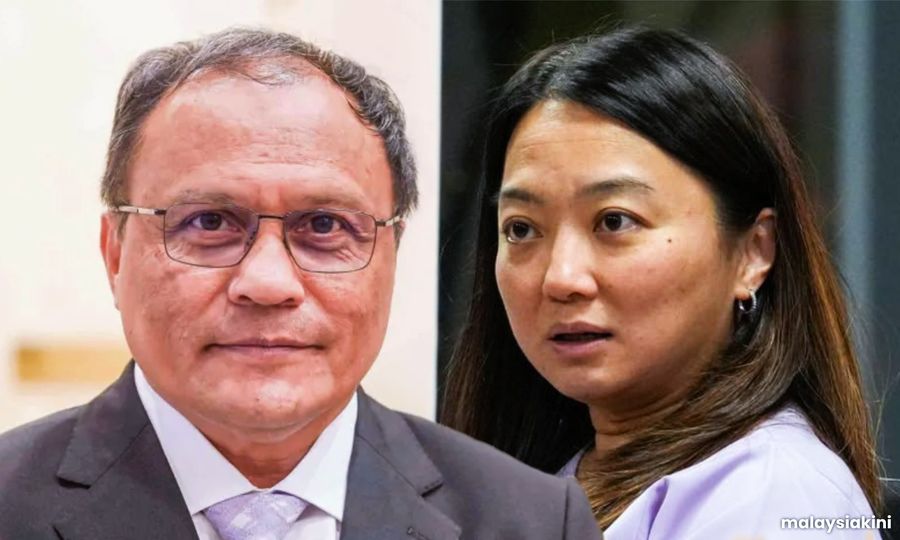
The recently declassified minutes revealed that Dusuki (above, left) objected to allowing the convicted felon Najib Abdul Razak to serve the remainder of his prison sentence under house arrest.
He maintained that house arrest was not provided for under the law and that Najib should remain in prison until August 2028.
He also raised concerns about political stability, the economy, foreign investment and Malaysia's international reputation.
Yeoh shared his position. Both declined to comment on the draft conditional pardon order because they disagreed with it.
However, retired Federal Court judge Harmindar Singh Dhaliwal argued that Article 42 of the Federal Constitution empowered the Agong to grant a respite, despite the absence of specific laws governing house arrest.

This conflicting interpretation makes legal clarity and parliamentary scrutiny even more essential.
The Agong proceeded with the decision despite their objections, and Najib was granted house arrest, subject to certain conditions.
Not a trivial matter
Their disagreements were not trivial. They concerned the administration of justice, constitutional powers and public confidence in our institutions.
Now imagine if both had resigned, not because they could overrule the king, but because they believed they could not, in good conscience, support the decision.
An AG’s resignation would have raised serious questions about the government's legal advice. Yeoh's departure would have made it harder for the government to treat her objections as an administrative issue.
 Prime Minister Anwar Ibrahim
 would have faced considerable pressure to respond to two senior office bearers resigning over a matter of principle.
Their resignations might have been the trigger Parliament needed. MPs who previously remained silent, or felt constrained from speaking out, could have used parliamentary privilege to raise questions that their constituents expected them to ask.
Moreover, their departure could have forced a national conversation that would have been difficult to ignore.
Timid, self-serving politicians
Malaysians have endured decades of timid and self-serving politicians who preferred to remain silent for fear of losing their comfortable positions, privileges and pensions.
An elected representative's first responsibility is to the people who put them in Parliament, not to the party leadership or the preservation of personal benefits.
Public office is not a retirement plan. A parliamentary seat is not a reward for loyalty. It is a responsibility entrusted by the rakyat.
If politicians cannot speak-up when fundamental questions of justice and equality are at stake, what exactly are they representing?
Many Malaysians want Najib to serve his full sentence behind bars, without privileges or special treatment because of his former position.
 Najib Abdul Razak
The problem is not the existence of royal prerogative. A constitutional monarchy depends on public confidence and acceptance.
The rakyat can exist without a monarchy, but a monarchy cannot exist without the rakyat. The people do not depend on the institution for their existence; the institution depends on the people for its legitimacy and continued acceptance.
Hence, respect for the monarchy must never be confused with blind obedience. The people have every right to question decisions made in their name and expect accountability from those entrusted with public power.
READ MORE: COMMENT | Royal prerogative is not above the Constitution
The rakyat are not there merely to obey. The political class is there to serve them.
Umno dominates the narrative
This brings us to Umno. If Dusuki and Yeoh had resigned, it might also have been much harder for Umno to set the agenda as it appears to be doing now.
The party might have found itself relegated to the back seat, with little room to control the narrative, or divert attention from the fundamental questions raised by the minutes: the rule of law, equal treatment before the law and the responsibilities of those holding public office.
Instead, Umno has been able to dominate much of the conversation, while the more uncomfortable questions risk being pushed aside.

Anwar's government's poor handling of this controversy matters.
If the AG believed house arrest was not provided for under the law, how was that objection addressed? If a minister shared his concerns, how did the government reconcile those objections with its responsibilities?
A government cannot continually promise institutional reform, good governance and the rule of law while leaving fundamental questions of accountability unanswered.
The people are weary of promises. They need to see those principles applied, especially when doing so is politically inconvenient.
The most disappointing aspect of this affair is that our political class seems more concerned with preserving positions, managing alliances and protecting political interests than explaining decisions to the people.
Never underestimate public anger
Ordinary Malaysians are repeatedly told to be patient, understanding and respectful of authority.
However, obedience is not a substitute for accountability, and public silence should never be mistaken for public approval.
The king exercised his constitutional prerogative, but the government, its ministers, the AG and political parties must still answer to the people.

Are the institutions meant to protect the rakyat sufficiently independent and robust? What happened to "One country. One Constitution. One system of justice."?
Or are we forced to accept that privilege, political influence and access to power still determine how justice is dispensed?
Had Dusuki and Yeoh resigned, they might have lost their positions, but they could have gained something more valuable: the credibility that comes from standing by a principle when it is difficult to do so.
COMMENT | What happens when two senior office bearers disagree with a decision they believe is legally questionable, and then have the courage to walk away from office?
Imagine if Attorney-General Dusuki Mokhtar and Minister in the Prime Minister’s Department (Federal Territories) Hannah Yeoh had resigned on a point of principle following the Pardons Board meeting on Sept 18.
Their departures may not have changed the outcome, but they could have forced the government, Parliament and the people to confront some uncomfortable questions.
The recently declassified minutes revealed that Dusuki (above, left) objected to allowing the convicted felon Najib Abdul Razak to serve the remainder of his prison sentence under house arrest.
He maintained that house arrest was not provided for under the law and that Najib should remain in prison until August 2028.
He also raised concerns about political stability, the economy, foreign investment and Malaysia's international reputation.
Yeoh shared his position. Both declined to comment on the draft conditional pardon order because they disagreed with it.
However, retired Federal Court judge Harmindar Singh Dhaliwal argued that Article 42 of the Federal Constitution empowered the Agong to grant a respite, despite the absence of specific laws governing house arrest.
This conflicting interpretation makes legal clarity and parliamentary scrutiny even more essential.
The Agong proceeded with the decision despite their objections, and Najib was granted house arrest, subject to certain conditions.
Not a trivial matter
Their disagreements were not trivial. They concerned the administration of justice, constitutional powers and public confidence in our institutions.
Now imagine if both had resigned, not because they could overrule the king, but because they believed they could not, in good conscience, support the decision.
An AG’s resignation would have raised serious questions about the government's legal advice. Yeoh's departure would have made it harder for the government to treat her objections as an administrative issue.
Prime Minister Anwar IbrahimPrime Minister Anwar Ibrahim would have faced considerable pressure to respond to two senior office bearers resigning over a matter of principle.
Their resignations might have been the trigger Parliament needed. MPs who previously remained silent, or felt constrained from speaking out, could have used parliamentary privilege to raise questions that their constituents expected them to ask.
Moreover, their departure could have forced a national conversation that would have been difficult to ignore.
Timid, self-serving politicians
Malaysians have endured decades of timid and self-serving politicians who preferred to remain silent for fear of losing their comfortable positions, privileges and pensions.
An elected representative's first responsibility is to the people who put them in Parliament, not to the party leadership or the preservation of personal benefits.
Public office is not a retirement plan. A parliamentary seat is not a reward for loyalty. It is a responsibility entrusted by the rakyat.
If politicians cannot speak-up when fundamental questions of justice and equality are at stake, what exactly are they representing?
Many Malaysians want Najib to serve his full sentence behind bars, without privileges or special treatment because of his former position.
Najib Abdul RazakThe problem is not the existence of royal prerogative. A constitutional monarchy depends on public confidence and acceptance.
The rakyat can exist without a monarchy, but a monarchy cannot exist without the rakyat. The people do not depend on the institution for their existence; the institution depends on the people for its legitimacy and continued acceptance.
Hence, respect for the monarchy must never be confused with blind obedience. The people have every right to question decisions made in their name and expect accountability from those entrusted with public power.
READ MORE: COMMENT | Royal prerogative is not above the Constitution
The rakyat are not there merely to obey. The political class is there to serve them.
Umno dominates the narrative
This brings us to Umno. If Dusuki and Yeoh had resigned, it might also have been much harder for Umno to set the agenda as it appears to be doing now.
The party might have found itself relegated to the back seat, with little room to control the narrative, or divert attention from the fundamental questions raised by the minutes: the rule of law, equal treatment before the law and the responsibilities of those holding public office.
Instead, Umno has been able to dominate much of the conversation, while the more uncomfortable questions risk being pushed aside.
Anwar's government's poor handling of this controversy matters.
If the AG believed house arrest was not provided for under the law, how was that objection addressed? If a minister shared his concerns, how did the government reconcile those objections with its responsibilities?
A government cannot continually promise institutional reform, good governance and the rule of law while leaving fundamental questions of accountability unanswered.
The people are weary of promises. They need to see those principles applied, especially when doing so is politically inconvenient.
The most disappointing aspect of this affair is that our political class seems more concerned with preserving positions, managing alliances and protecting political interests than explaining decisions to the people.
Never underestimate public anger
Ordinary Malaysians are repeatedly told to be patient, understanding and respectful of authority.
However, obedience is not a substitute for accountability, and public silence should never be mistaken for public approval.
The king exercised his constitutional prerogative, but the government, its ministers, the AG and political parties must still answer to the people.
Are the institutions meant to protect the rakyat sufficiently independent and robust? What happened to "One country. One Constitution. One system of justice."?
Or are we forced to accept that privilege, political influence and access to power still determine how justice is dispensed?
Had Dusuki and Yeoh resigned, they might have lost their positions, but they could have gained something more valuable: the credibility that comes from standing by a principle when it is difficult to do so.
MARIAM MOKHTAR is a defender of the truth, the admiral-general of the Green Bean Army, and the president of the Perak Liberation Organisation (PLO). Find her on her website and on X.


I think the one person who should open his mouth is the King himself.
ReplyDeleteAlthough the King, I believe, does not need to explain himself, he must come forward to explain why he did what he did.
Because the decision seems to be 4-0 for the status quo and not grant house arrest (although one member deferred the final decision to the King), one wonders what was going on in the King's mind.