
This has gone on long enough – It is time for the law to act
How many times must Tunku Nadzaruddin proclaim himself Ruler? Repeating the same thing over and over again is, according to Einstein, a sign of insanity
Updated 10 hours ago · Published on 05 Oct 2026 7:52AM
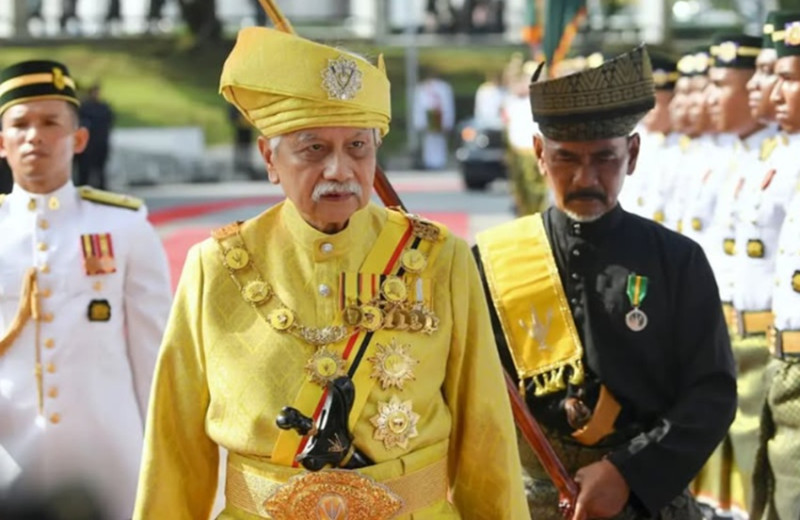
Tuanku Muhriz described corruption as the enemy of justice, trust and the future of the nation. - October 5, 2026

by Vinod Sekhar
THERE comes a point when something stops being a constitutional dispute and starts becoming a national embarrassment.
I believe we have reached that point in Negeri Sembilan.
How many times must Tunku Nadzaruddin proclaim himself Ruler before somebody finally tells him that repeating something does not make it true? Repeating the same thing over and over again and expecting a different result, according to Einstein, is a sign of insanity
How many letters must be written? How many pretend instructions issued? How many attempts must be made to circumvent institutions that have already spoken?
And how much embarrassment must be inflicted upon the Royal Institution before the law finally steps in?
Let us remember where this extraordinary episode began.
A purported proclamation was made at a hotel in Melaka — not at the royal palace in Seri Menanti, not through the recognised institutions of Negeri Sembilan, but in another state.
It attracted ridicule for obvious reasons.
Yet what followed has ceased to be funny.
The Attorney-General’s Chambers has stated that the Menteri Besar and State Executive Council had no unilateral power to terminate or vacate the office of the Yang di-Pertuan Besar.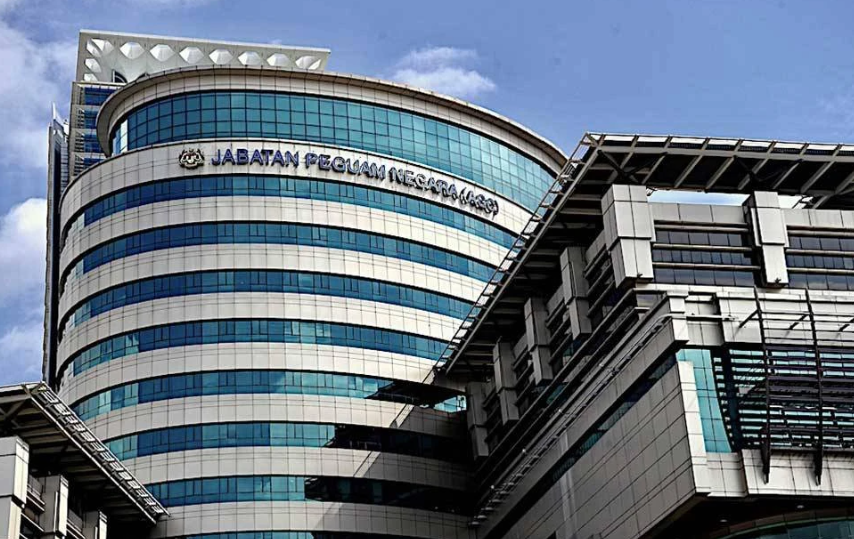
The State Secretary’s Office subsequently refused to gazette or implement the disputed proclamation, accepting the AGC’s position that it was invalid.
The Dewan Keadilan dan Undang has maintained that Tuanku Muhriz Tuanku Munawir remains the Yang di-Pertuan Besar.
And when Tuanku Muhriz revoked the appointments of ten Exco members after they were found to have breached the oaths of allegiance they had sworn before him, that revocation was gazetted.
The Attorney-General subsequently confirmed that the revocations were valid under Article XXXVIII(5) of the Negeri Sembilan Constitution.
Yet apparently even this is not enough.
Now we have a letter dated September 30 asking the Attorney-General to effectively recognise Tunku Nadzaruddin and requesting that future federal gazettes concerning the Yang di-Pertuan Besar or Raja Negeri Sembilan be published only after confirmation from him and those supporting his claim.
Really?
At what point does determination become delusion?
At what point does ambition become something far more serious?
And perhaps most importantly: why is this happening at all?
Follow the timing
There is another part of this story that Malaysians should not ignore.
Tuanku Muhriz has become increasingly outspoken about corruption.
In January this year, he delivered one of the clearest royal denunciations of corruption we have heard in recent years.
He described corruption as the enemy of justice, trust and the future of the nation.
He warned that corruption destroys institutional integrity and the moral foundations of society.
He expressed disbelief that Malaysians could continue supporting people convicted of serious corruption offences as though corruption were somehow acceptable or forgivable.
Those are not the words of a ceremonial Ruler content merely to cut ribbons.
Those are the words of a Ruler talking about values.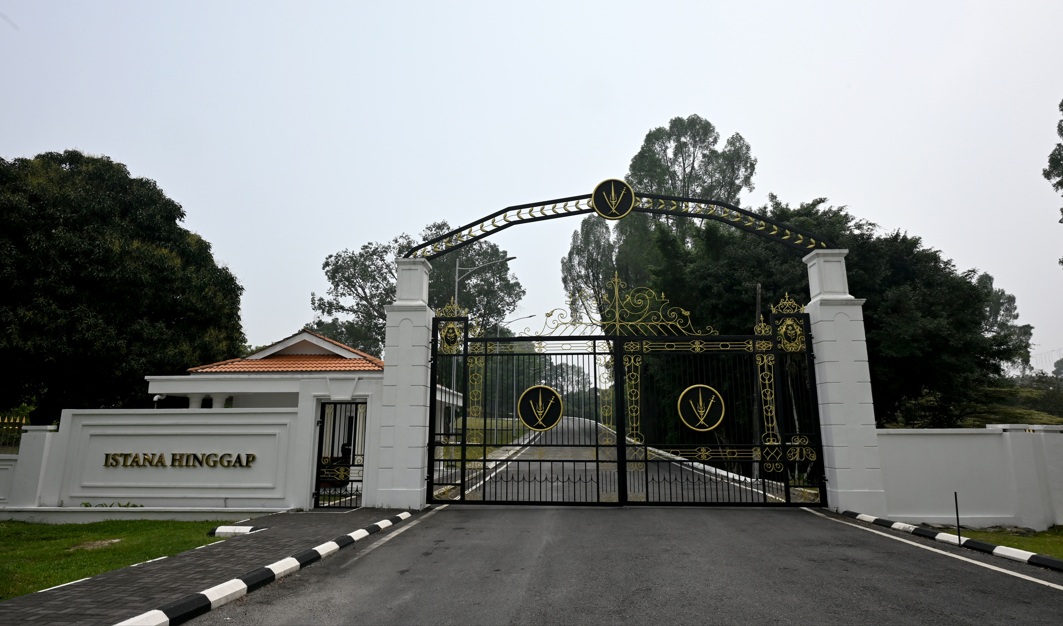
Then in April, Tuanku Muhriz again reminded those entrusted with high office in Negeri Sembilan that their decisions must be based upon facts, information, established rules and law — and must never be driven merely by personal desires or emotions.
He warned that otherwise the integrity of the administration itself could be damaged.
And then came the attempt to remove him.
Coincidence?
Perhaps.
I have no evidence to say otherwise, and neither should anyone manufacture evidence where none exists.
But Malaysians are entitled to ask questions.
Who benefits from removing a Ruler who has become increasingly vocal against corruption?
Who benefits from replacing him?
Why was it suddenly so important?
What interests — political, personal or financial — lie behind this extraordinary determination to seize control of the highest institution in the state? And of course, not forgetting that the Ruler of Negeri Sembilan will likely become King of Malaysia in our unique rotation system in about 7 years.
These questions must now be answered.
Because when people pursue a position with this degree of desperation, the public is entitled to ask what exactly makes that position so valuable to them.
This is not a game
What troubles me most now is that the people involved seem to be behaving like badly wounded animals trapped in a corner — striking in every direction without recognising how increasingly desperate their actions appear.
Another proclamation.
Another letter.
Another instruction.
by Vinod Sekhar
THERE comes a point when something stops being a constitutional dispute and starts becoming a national embarrassment.
I believe we have reached that point in Negeri Sembilan.
How many times must Tunku Nadzaruddin proclaim himself Ruler before somebody finally tells him that repeating something does not make it true? Repeating the same thing over and over again and expecting a different result, according to Einstein, is a sign of insanity
How many letters must be written? How many pretend instructions issued? How many attempts must be made to circumvent institutions that have already spoken?
And how much embarrassment must be inflicted upon the Royal Institution before the law finally steps in?
Let us remember where this extraordinary episode began.
A purported proclamation was made at a hotel in Melaka — not at the royal palace in Seri Menanti, not through the recognised institutions of Negeri Sembilan, but in another state.
It attracted ridicule for obvious reasons.
Yet what followed has ceased to be funny.
The Attorney-General’s Chambers has stated that the Menteri Besar and State Executive Council had no unilateral power to terminate or vacate the office of the Yang di-Pertuan Besar.
The State Secretary’s Office subsequently refused to gazette or implement the disputed proclamation, accepting the AGC’s position that it was invalid.
The Dewan Keadilan dan Undang has maintained that Tuanku Muhriz Tuanku Munawir remains the Yang di-Pertuan Besar.
And when Tuanku Muhriz revoked the appointments of ten Exco members after they were found to have breached the oaths of allegiance they had sworn before him, that revocation was gazetted.
The Attorney-General subsequently confirmed that the revocations were valid under Article XXXVIII(5) of the Negeri Sembilan Constitution.
Yet apparently even this is not enough.
Now we have a letter dated September 30 asking the Attorney-General to effectively recognise Tunku Nadzaruddin and requesting that future federal gazettes concerning the Yang di-Pertuan Besar or Raja Negeri Sembilan be published only after confirmation from him and those supporting his claim.
Really?
At what point does determination become delusion?
At what point does ambition become something far more serious?
And perhaps most importantly: why is this happening at all?
Follow the timing
There is another part of this story that Malaysians should not ignore.
Tuanku Muhriz has become increasingly outspoken about corruption.
In January this year, he delivered one of the clearest royal denunciations of corruption we have heard in recent years.
He described corruption as the enemy of justice, trust and the future of the nation.
He warned that corruption destroys institutional integrity and the moral foundations of society.
He expressed disbelief that Malaysians could continue supporting people convicted of serious corruption offences as though corruption were somehow acceptable or forgivable.
Those are not the words of a ceremonial Ruler content merely to cut ribbons.
Those are the words of a Ruler talking about values.
Then in April, Tuanku Muhriz again reminded those entrusted with high office in Negeri Sembilan that their decisions must be based upon facts, information, established rules and law — and must never be driven merely by personal desires or emotions.
He warned that otherwise the integrity of the administration itself could be damaged.
And then came the attempt to remove him.
Coincidence?
Perhaps.
I have no evidence to say otherwise, and neither should anyone manufacture evidence where none exists.
But Malaysians are entitled to ask questions.
Who benefits from removing a Ruler who has become increasingly vocal against corruption?
Who benefits from replacing him?
Why was it suddenly so important?
What interests — political, personal or financial — lie behind this extraordinary determination to seize control of the highest institution in the state? And of course, not forgetting that the Ruler of Negeri Sembilan will likely become King of Malaysia in our unique rotation system in about 7 years.
These questions must now be answered.
Because when people pursue a position with this degree of desperation, the public is entitled to ask what exactly makes that position so valuable to them.
This is not a game
What troubles me most now is that the people involved seem to be behaving like badly wounded animals trapped in a corner — striking in every direction without recognising how increasingly desperate their actions appear.
Another proclamation.
Another letter.
Another instruction.
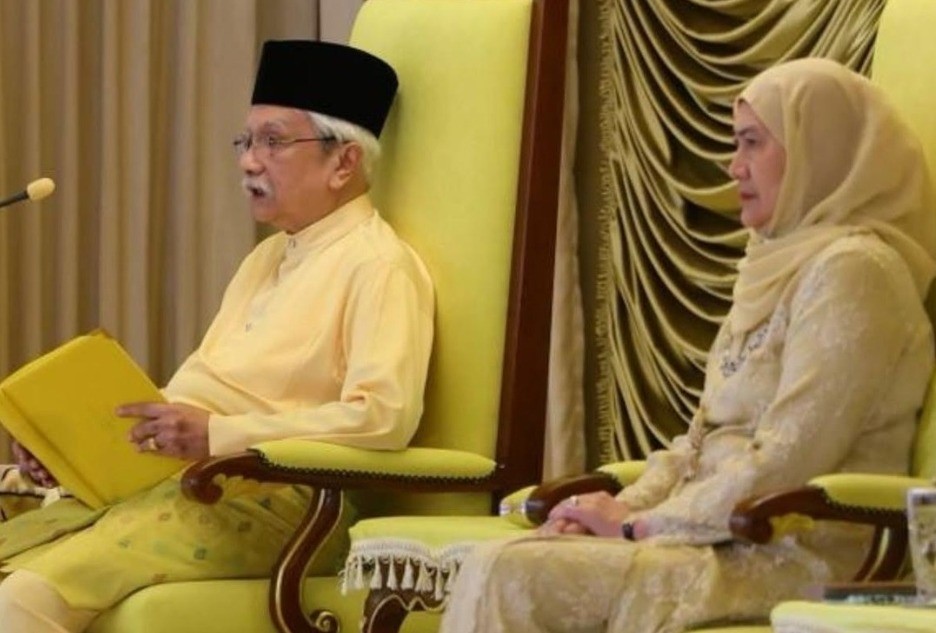
Another attempt to force the machinery of government to accept something that its institutions have repeatedly declined to recognise.
Enough.
This is Negeri Sembilan.
This is Malaysia.
Our Royal Institutions are not toys to be fought over by ambitious men.
Adat is not a weapon to be conveniently interpreted whenever somebody wants a throne.
And the Constitution is certainly not a menu from which politicians and princes may select whichever provisions suit them today and ignore the rest tomorrow.
There is something particularly disturbing about watching people claim to be defending the dignity of an institution while their actions risk making that very institution an object of public ridicule.
This has embarrassed Negeri Sembilan.
It is increasingly embarrassing Malaysia.
And it has gone on for far too long.
Where are the authorities?
There is also a legal question which can no longer simply be whispered about.
Section 121B of the Penal Code expressly deals with offences against the authority of a Ruler, including intending the deposition or deprivation of a Ruler from the rule of a State. The current provision carries imprisonment of between 30 and 40 years and liability to a fine.
Separately, the Sedition Act defines a seditious tendency to include exciting people to procure, otherwise than by lawful means, the alteration of matters established by law, as well as certain conduct directed against a Ruler; Section 4 creates the relevant offences.
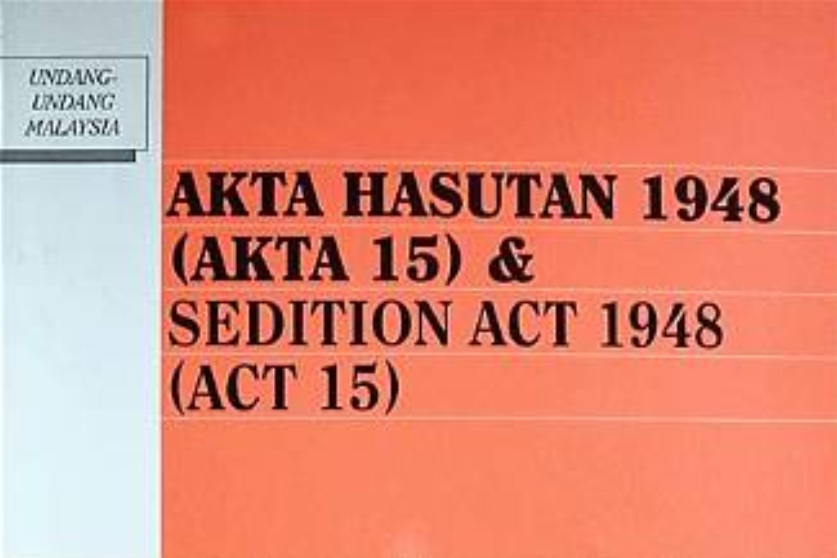
I am not a court.
I am not going to pronounce anybody criminally guilty. That is precisely why we have police, prosecutors and judges. But surely what has happened now demands investigation.
If the evidence establishes that offences have been committed, then those responsible must be arrested, charged and tried — whoever they are.
Tunku.
Former Undang.
Politician.
Exco member.
Nobody should be above the law.
And if they are innocent, let a proper investigation establish that too.
But doing nothing is no longer neutrality.
Silence eventually becomes permission.
The monarchy must never become a prize
There is a bigger principle here.
Malaysia’s constitutional monarchies survive not because Rulers possess titles.
They survive because the people accord those institutions respect.
That respect is precious.
It is built over generations.
And it can be damaged very quickly when royal institutions become entangled with political manoeuvring, personal ambition and position battles.
Tuanku Muhriz has served Negeri Sembilan with dignity. He has spoken about integrity. He has spoken against corruption.
He has reminded those holding public office that law must come before personal desire.
And perhaps that is precisely the lesson everyone involved in this sorry episode should finally understand.
The law must come before personal desire.
A throne is not a corporate takeover.
A Ruler cannot simply be replaced because somebody else wants the job. And Negeri Sembilan does not belong to politicians, princes, former Undangs or current ones.
Ultimately, its institutions exist in trust for its people. They deserve institutions that command respect rather than invite ridicule.
There is an irony at the centre of this entire affair. A Ruler warned Malaysia that corruption and the abandonment of principle could destroy the moral foundations of society.
Months later, we are watching a battle over his throne that raises profound questions about ambition, power and respect for law.
Perhaps the answer to this crisis lies in Tuanku Muhriz’s own message. Justice. Trust. Rule of law.
Daulat Tuanku. And daulat undang-undang Malaysia. - October 5, 2026
Datuk Dr Vinod Sekhar is the publisher of The Vibes and Chairman of the Petra Group


No comments:
Post a Comment