
North Korea Delivers Russia KN-30 Ultra-Heavy Ballistic Missile with Five Times the Firepower of the Iskander
Military Watch Magazine Editorial Staff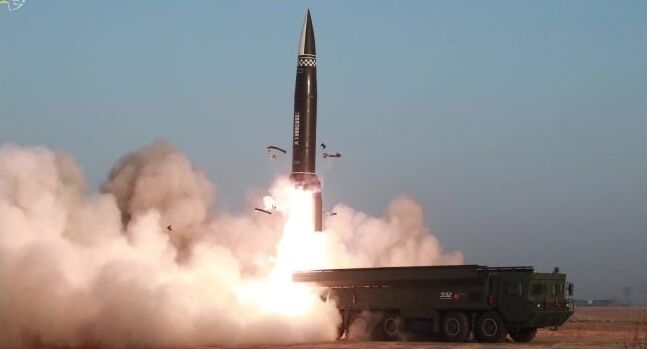
North Korean KN-30 Ballistic Missile
Russia has received North Korean KN-30 ballistic missiles for the first time, according to reports from Ukrainian intelligence, supplementing deliveries of KN-23 and KN-24 short range tactical missile systems in July. The missile integrates a warhead weighing 2,500 kilograms, providing five times the payload of Russia’s primary tactical ballistic missile the Iskander-M. Ukrainian intelligence says that approximately 90 North Korean military personnel have deployed to Russia’s Voronezh Oblast, where they are expected to operate up to six launchers, raising questions regarding whether the missiles are being exported to Russia, or simply represent part of Pyongyang’s contributions to its neighbour’s war effort.
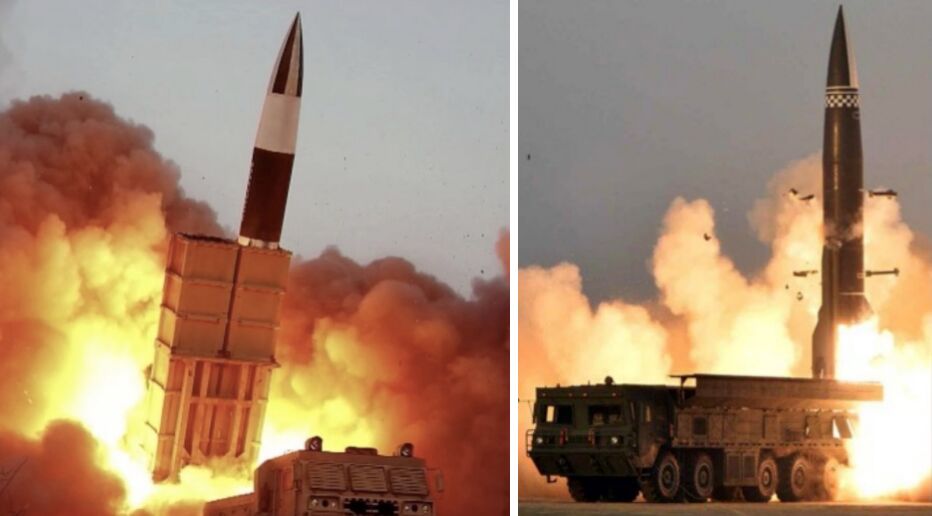
The KN-23 and KN-24 have already demonstrated why North Korean ballistic missiles are attractive to Russia. Their manoeuvrability and low-altitude flight characteristics can complicate interception, while their relatively short ranges make them particularly suited to attacks against targets close to the front and deeper within Ukraine. The KN-30 could broaden this role, engaging fortified targets or large personnel concentrations with significantly greater explosive payload and penetrative capabilities. The KN-23B and KN-30 both have ranges of approximately 1000 kilometres, around double of the Russian Iskander-M.
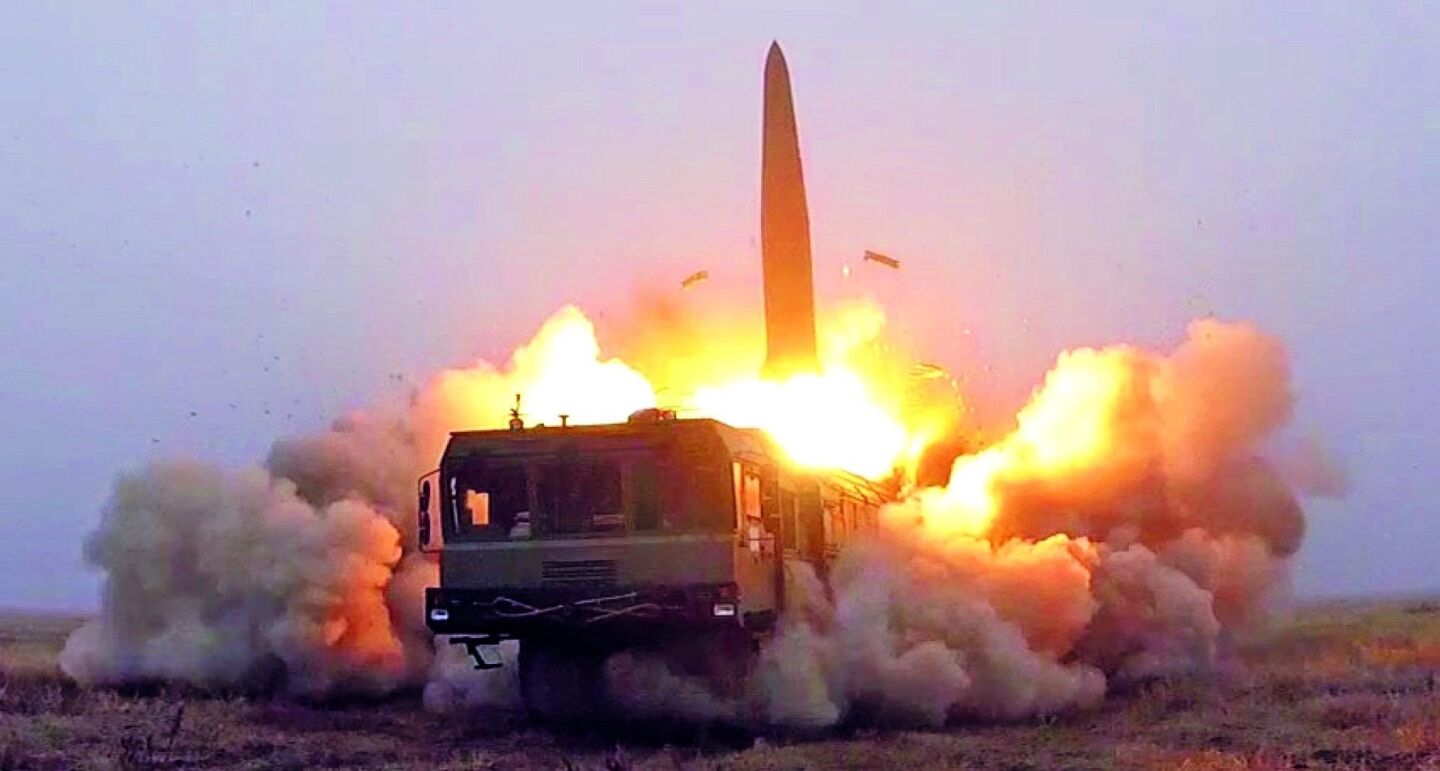
The KN-23B and KN-30 are serious contenders for the titles of the world’s most capable surface-launched short range ballistic missile types - a category which includes all surface-to-surface ballistic missiles with ranges under 1000km. Both were developed as larger variants of the original KN-23 design. While the KN-23 was widely compared to the Iskander-M, it had significant advantages most notably its 700 kilometre engagement range compared to the Russian system’s 500 kilometre range. The Korean missile’s approximately 20 percent larger size, with its smooth base, and its much larger cable raceway indicating a far greater fuel capacity. These advantages are significantly greater for the even larger KN-23B, and moreso for the KN-30.
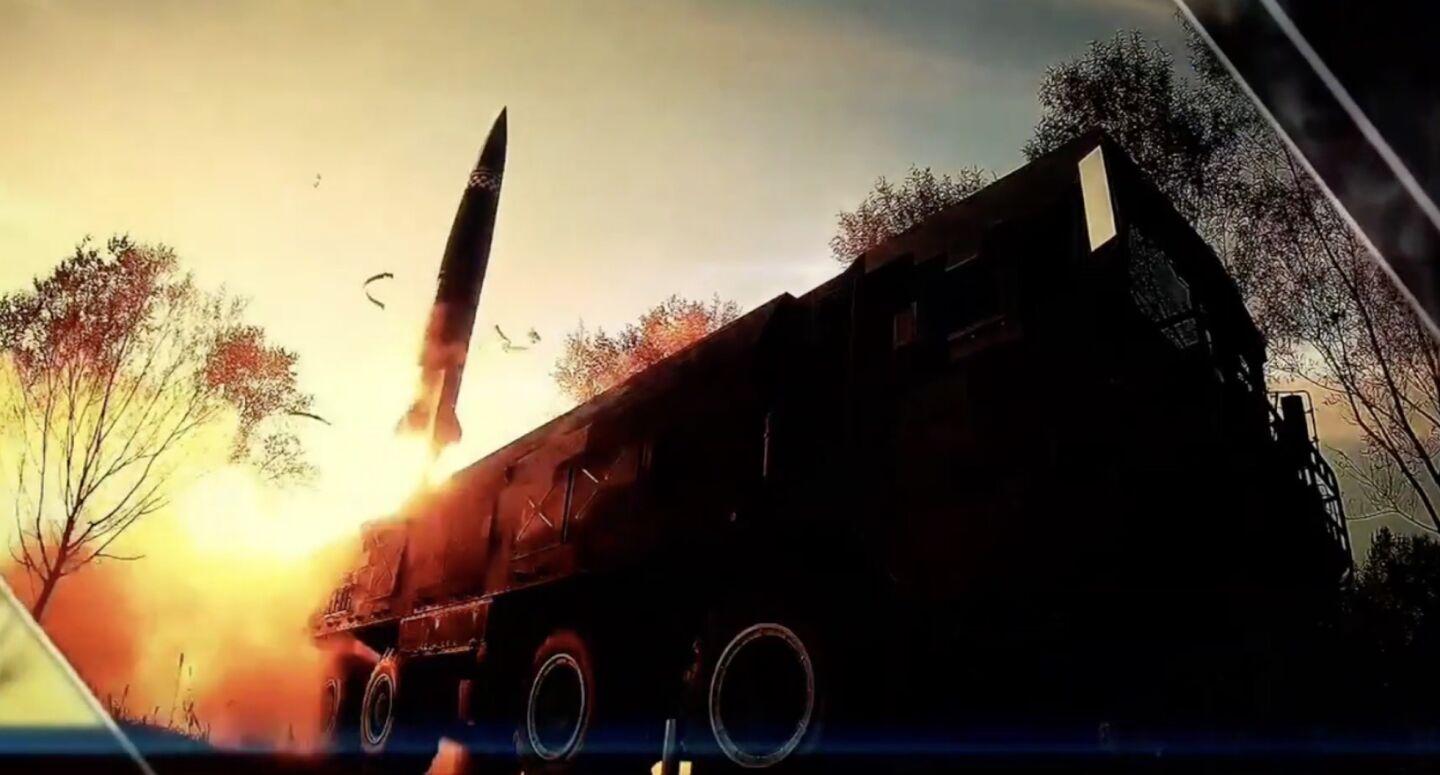
The KN-23, KN-30 and the Iskander-M all fire missiles on semi ballistic depressed trajectories with the ability to conduct extensive in flight manoeuvres throughout their flight paths, making them extremely difficult to detect or track. These capabilities proved sufficient that the US. AEGIS anti-missile system proved unable to even detect KN-23 missile launches – which was confirmed by South Korean sources after a test launch in October 2019. With Ukrainian forces relying heavily on fortifications, the KN-30’s unrivalled penetrative capabilities and warhead size make it an optimal system for frontline use.


No comments:
Post a Comment