
Malaysia's #1 Content Aggregator
OPINION | If Rukun Negara Is the Test, Are We All Worthy of Being Malaysians?
6 Jun 2026 • 8:30 AM MYT
.png)
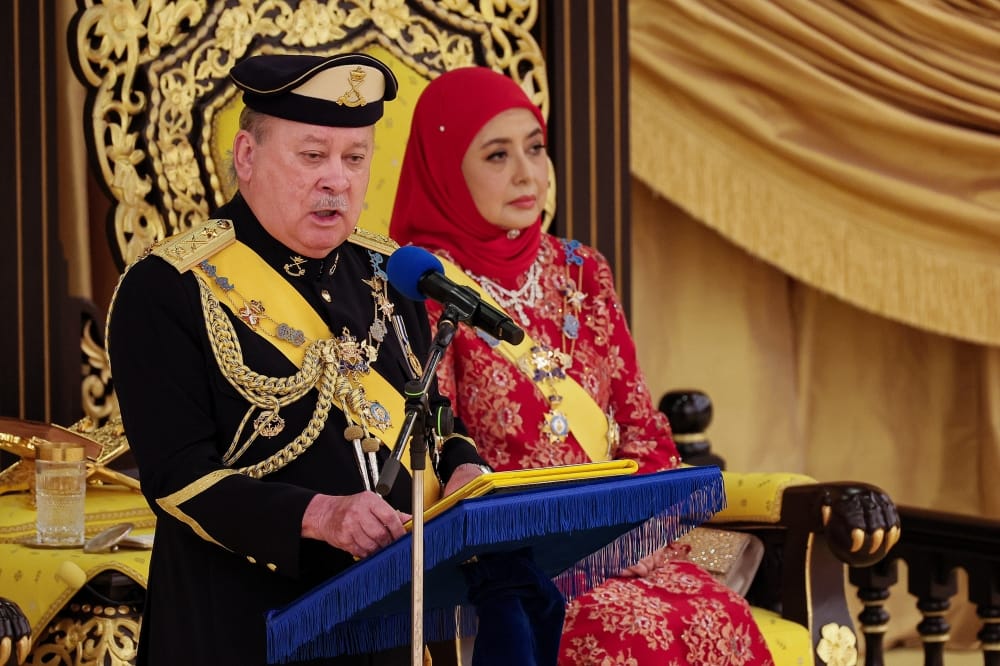
(Image credit: Malay Mail)
In conjunction with His Majesty's Official Birthday celebration, His Majesty Sultan Ibrahim reminded Malaysians that anyone who rejects the principles of the Rukun Negara is not worthy of being regarded as a Malaysian citizen.
It is a strong statement.
I mean, I do have great respect for the Rukun Negara. After all, the Rukun Negara was born from one of the darkest moments in our nation's history. It was meant to remind Malaysians that despite our differences in race, religion and culture, there are certain values that bind us together as a nation.
But His Majesty's statement left me with a question I keep pondering about. If the Rukun Negara is the standard by which we determine who is worthy of being a Malaysian, then who exactly is passing the test?
Because if we are honest, most of us stopped thinking about the Rukun Negara the moment we left school.
We memorised it. We recited it. We stood in assembly under the hot sun pretending to understand it. Then we grew up and promptly forgot about it.
In fact, if I stopped ten random Malaysians on the street today and asked them to recite all five principles, I suspect at least seven would suddenly remember they had an urgent appointment elsewhere.
Yet these five principles continue to be described as the foundation of national unity - Belief in God (Kepercayaan Kepada Tuhan), Loyalty to King and Country (Kesetiaan Kepada Raja dan Negara), Supremacy of the Constitution (Keluhuran Perlembagaan), Rule of Law (Kedaulatan Undang-Undang), and Good Behaviour and Morality (Kesopanan dan Kesusilaan).
Perhaps it is worth revisiting these principles that are said to be the backbone of our nation’s stability and harmony. And to wonder whether those who do not adhere to them are truly unworthy of being Malaysian citizens.
Belief In God
Malaysia is a deeply religious country.
We have mosques, churches, temples and gurdwaras everywhere. Politicians constantly remind us about faith, morality and good values. Sometimes they even remind us about other people's religion more than their own.
Yet despite all this, corruption remains alive and well.
People still cheat, scam, bully and exploit each other. Online abuse flourishes every day.
So I cannot help but wonder - if belief in God automatically produces good citizens, shouldn't Malaysia be paradise by now?
Perhaps belief in God was never meant to be a certificate of moral superiority.
Perhaps it was meant to remind us to spend less time judging other people and more time improving ourselves.
Loyalty To King And Country
This is where things get interesting.
Everyone claims to love Malaysia. We have no shortage of patriots here. Wave a Jalur Gemilang and people will applaud. Post a Merdeka message and people will click like.
But loyalty becomes a little more complicated when fellow Malaysians are constantly labelled as outsiders.
Every now and then, somebody decides to remind certain Malaysians that they are pendatang.
Imagine being born here. Studying here. Working here. Building a life here. Paying taxes here. Voting here. Growing old here. Then being told that you somehow do not belong.
If loyalty to country is important, shouldn't every citizen first feel that this country belongs to them too?
Because it is difficult to ask people to love a home while simultaneously reminding them they are merely visitors.
Supremacy Of The Constitution
This principle may be my favourite. Not because Malaysians uphold it, but because Malaysians love quoting it whenever it supports their argument.
The Constitution is the supreme law of the land - at least until it becomes inconvenient. Then suddenly everything becomes a sensitive issue.
We often demand that ordinary citizens respect the Constitution. Fair enough.
But surely the greater responsibility falls upon those who stand in Parliament, take their oath of office, and swear to uphold it.
If the Constitution is supreme, politicians who have sworn to uphold it should never be allowed to use their power for their own interests or the interests of their political parties.
Otherwise, it is not really supremacy. It is merely convenience.
Rule Of Law
Everybody believes in the rule of law. That is, until the law affects someone they support.
Then the legal experts emerge.
Remember when politicians get investigated? Suddenly, cries of political persecution begin to fill the air.
Then, sometimes, those same politicians are acquitted even after a court has ruled that there is a prima facie case to answer.
Has justice prevailed? That usually depends on which political party they belong to.
The rule of law only works when it applies equally to everyone. Not just political opponents. Not just unpopular people. Not just ordinary citizens.
Everyone.
The moment people start believing that there are different laws for different classes of Malaysians, trust in the system begins to disappear.
And when trust disappears, unity soon follows.
Good Behaviour And Morality
This principle should be the easiest. Yet somehow it feels like the hardest.
We have had the Rukun Negara since 1970. For more than five decades, generations of Malaysian students have been reading, memorising and reciting the five principles. Technically, the majority of Malaysians should be model citizens by now.
Surprisingly, we still have racism. We still have bullying. We still have road rage. We still have people insulting one another. And our social media resembles a daily competition to discover who can be the most offensive.
Heck, we even have drivers fighting over mall parking lots on a weekend!
Every politician agrees Malaysians should be courteous. Every leader agrees Malaysians should be respectful. Yet very few seem interested in confronting the culture of labelling, mocking and dividing fellow citizens.
Apparently, courtesy is something we expect from others. Not necessarily from ourselves.
This brings me back to His Majesty's statement. Perhaps His Majesty Sultan Ibrahim is right. Anyone who openly rejects the Rukun Negara rejects the values that hold Malaysia together.
But after reading the five principles again, I am left wondering whether our biggest problem is people rejecting the Rukun Negara.
Maybe our biggest problem is people claiming to support it while violating it every single day.
Because if the Rukun Negara is truly the exam that determines who deserves to be called a Malaysian, who is marking the papers?
And more importantly, has anyone checked whether the examiners themselves passed?
In conjunction with His Majesty's Official Birthday celebration, His Majesty Sultan Ibrahim reminded Malaysians that anyone who rejects the principles of the Rukun Negara is not worthy of being regarded as a Malaysian citizen.
It is a strong statement.
I mean, I do have great respect for the Rukun Negara. After all, the Rukun Negara was born from one of the darkest moments in our nation's history. It was meant to remind Malaysians that despite our differences in race, religion and culture, there are certain values that bind us together as a nation.
But His Majesty's statement left me with a question I keep pondering about. If the Rukun Negara is the standard by which we determine who is worthy of being a Malaysian, then who exactly is passing the test?
Because if we are honest, most of us stopped thinking about the Rukun Negara the moment we left school.
We memorised it. We recited it. We stood in assembly under the hot sun pretending to understand it. Then we grew up and promptly forgot about it.
In fact, if I stopped ten random Malaysians on the street today and asked them to recite all five principles, I suspect at least seven would suddenly remember they had an urgent appointment elsewhere.
Yet these five principles continue to be described as the foundation of national unity - Belief in God (Kepercayaan Kepada Tuhan), Loyalty to King and Country (Kesetiaan Kepada Raja dan Negara), Supremacy of the Constitution (Keluhuran Perlembagaan), Rule of Law (Kedaulatan Undang-Undang), and Good Behaviour and Morality (Kesopanan dan Kesusilaan).
Perhaps it is worth revisiting these principles that are said to be the backbone of our nation’s stability and harmony. And to wonder whether those who do not adhere to them are truly unworthy of being Malaysian citizens.
Belief In God
Malaysia is a deeply religious country.
We have mosques, churches, temples and gurdwaras everywhere. Politicians constantly remind us about faith, morality and good values. Sometimes they even remind us about other people's religion more than their own.
Yet despite all this, corruption remains alive and well.
People still cheat, scam, bully and exploit each other. Online abuse flourishes every day.
So I cannot help but wonder - if belief in God automatically produces good citizens, shouldn't Malaysia be paradise by now?
Perhaps belief in God was never meant to be a certificate of moral superiority.
Perhaps it was meant to remind us to spend less time judging other people and more time improving ourselves.
Loyalty To King And Country
This is where things get interesting.
Everyone claims to love Malaysia. We have no shortage of patriots here. Wave a Jalur Gemilang and people will applaud. Post a Merdeka message and people will click like.
But loyalty becomes a little more complicated when fellow Malaysians are constantly labelled as outsiders.
Every now and then, somebody decides to remind certain Malaysians that they are pendatang.
Imagine being born here. Studying here. Working here. Building a life here. Paying taxes here. Voting here. Growing old here. Then being told that you somehow do not belong.
If loyalty to country is important, shouldn't every citizen first feel that this country belongs to them too?
Because it is difficult to ask people to love a home while simultaneously reminding them they are merely visitors.
Supremacy Of The Constitution
This principle may be my favourite. Not because Malaysians uphold it, but because Malaysians love quoting it whenever it supports their argument.
The Constitution is the supreme law of the land - at least until it becomes inconvenient. Then suddenly everything becomes a sensitive issue.
We often demand that ordinary citizens respect the Constitution. Fair enough.
But surely the greater responsibility falls upon those who stand in Parliament, take their oath of office, and swear to uphold it.
If the Constitution is supreme, politicians who have sworn to uphold it should never be allowed to use their power for their own interests or the interests of their political parties.
Otherwise, it is not really supremacy. It is merely convenience.
Rule Of Law
Everybody believes in the rule of law. That is, until the law affects someone they support.
Then the legal experts emerge.
Remember when politicians get investigated? Suddenly, cries of political persecution begin to fill the air.
Then, sometimes, those same politicians are acquitted even after a court has ruled that there is a prima facie case to answer.
Has justice prevailed? That usually depends on which political party they belong to.
The rule of law only works when it applies equally to everyone. Not just political opponents. Not just unpopular people. Not just ordinary citizens.
Everyone.
The moment people start believing that there are different laws for different classes of Malaysians, trust in the system begins to disappear.
And when trust disappears, unity soon follows.
Good Behaviour And Morality
This principle should be the easiest. Yet somehow it feels like the hardest.
We have had the Rukun Negara since 1970. For more than five decades, generations of Malaysian students have been reading, memorising and reciting the five principles. Technically, the majority of Malaysians should be model citizens by now.
Surprisingly, we still have racism. We still have bullying. We still have road rage. We still have people insulting one another. And our social media resembles a daily competition to discover who can be the most offensive.
Heck, we even have drivers fighting over mall parking lots on a weekend!
Every politician agrees Malaysians should be courteous. Every leader agrees Malaysians should be respectful. Yet very few seem interested in confronting the culture of labelling, mocking and dividing fellow citizens.
Apparently, courtesy is something we expect from others. Not necessarily from ourselves.
This brings me back to His Majesty's statement. Perhaps His Majesty Sultan Ibrahim is right. Anyone who openly rejects the Rukun Negara rejects the values that hold Malaysia together.
But after reading the five principles again, I am left wondering whether our biggest problem is people rejecting the Rukun Negara.
Maybe our biggest problem is people claiming to support it while violating it every single day.
Because if the Rukun Negara is truly the exam that determines who deserves to be called a Malaysian, who is marking the papers?
And more importantly, has anyone checked whether the examiners themselves passed?


No comments:
Post a Comment