
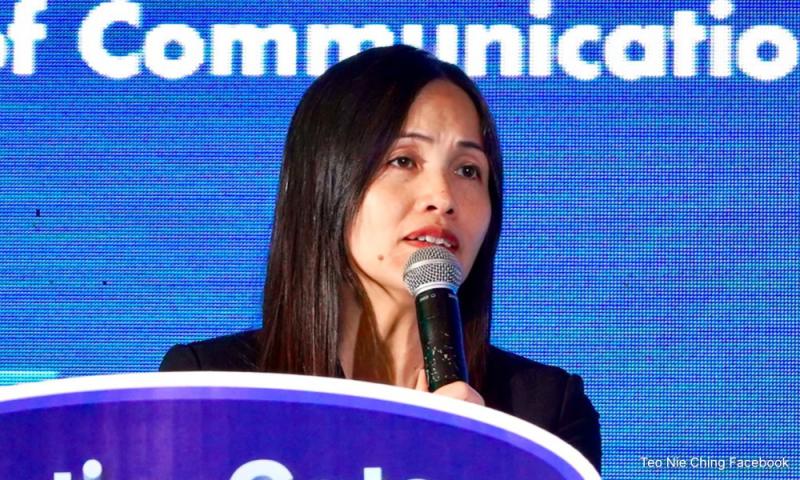

Ex-task force chair accuses Teo of playing 'provocateur' in UEC saga
Ayesha Sheik Mazrul
Published: Jan 27, 2026 2:08 PM
Updated: 6:27 PM
Former Unified Examination Certificate (UEC) task force chairperson Eddin Khoo has launched a scathing critique of Deputy Communications Minister Teo Nie Ching, accusing her of deliberately politicising the UEC issue for communal gain.
The historian, who chaired the task force from 2018 to 2020, painted the DAP politician as “exploitative, manipulative, and a racialist”, and accused her of acting as a provocateur throughout the committee’s tenure.
He said that Teo should have also “been trashed somewhere”, and that she has “nothing to afford (sic) anybody.”
Published: Jan 27, 2026 2:08 PM
Updated: 6:27 PM
Former Unified Examination Certificate (UEC) task force chairperson Eddin Khoo has launched a scathing critique of Deputy Communications Minister Teo Nie Ching, accusing her of deliberately politicising the UEC issue for communal gain.
The historian, who chaired the task force from 2018 to 2020, painted the DAP politician as “exploitative, manipulative, and a racialist”, and accused her of acting as a provocateur throughout the committee’s tenure.
He said that Teo should have also “been trashed somewhere”, and that she has “nothing to afford (sic) anybody.”
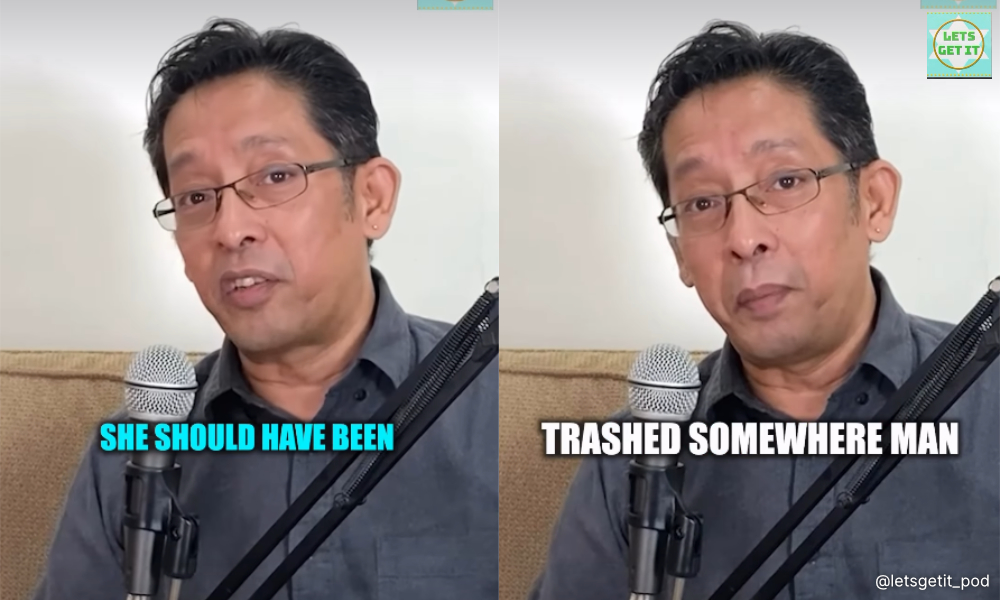
Eddin Khoo
According to him, Teo consistently engaged in doublespeak during her tenure as deputy education minister.
“It’s because of people like her who speak with forked tongues that this issue continues to be politicised.
“And she was deputy education minister, who should be supporting and explicating what the committee (does), because we are constantly in conversation with the ministry, right? Doing that.
“You know, she goes and stokes flames all over the place to the Chinese press. Say one thing to the Chinese press, say another thing to the English press,” he said on the Let’s Get It podcast.
Malaysiakini has contacted Khoo to explain his accusations against Teo.
According to him, Teo consistently engaged in doublespeak during her tenure as deputy education minister.
“It’s because of people like her who speak with forked tongues that this issue continues to be politicised.
“And she was deputy education minister, who should be supporting and explicating what the committee (does), because we are constantly in conversation with the ministry, right? Doing that.
“You know, she goes and stokes flames all over the place to the Chinese press. Say one thing to the Chinese press, say another thing to the English press,” he said on the Let’s Get It podcast.
Malaysiakini has contacted Khoo to explain his accusations against Teo.
‘Politicians responsible for polemic, not extremists’
Khoo said that during his tenure as chairperson, the group consistently engaged with what he called “extreme” Malay and Chinese groups, referring to Ikatan Muslimin Malaysia (Isma) and Dong Zong, respectively.
READ MORE: Ex-task force chair likens UEC debate to 'political rabbit hole'
However, Khoo said that whilst the discussions went well, he was deeply disappointed with the instigators, who he said were mostly politicians.
“We met 93 groups, individuals, 93 of them. They ranged from Isma, the most extreme right-wing Malay group, to Dong Zong, considered the most extreme Chinese group.
“We met all of them. We brought them together in a town hall. We brought young people together in a town hall, and my greatest disappointment was the system itself.
“The system itself couldn’t understand what we were trying to do. So, we had provocateurs all the time, and they were not Isma, or they were not Dong Zong. It was politicians,” Khoo lamented.
He also accused politicians like Teo of not wanting a solution, as they prefer to remain as “communal champions” rather than resolve the long-standing issue.
Malaysiakini has contacted Teo for comments on Khoo’s accusations, and is awaiting her reply.
Thorny issue
For decades, topics surrounding UEC have sparked recurring tensions in Malaysia, with disputes frequently centring on language requirements, cultural representation, and competing visions of national unity.
The controversy flared anew following social media comments by DAP deputy chairperson Nga Kor Ming, who announced his party’s intention to meet the prime minister and lobby for the certificate’s official recognition.
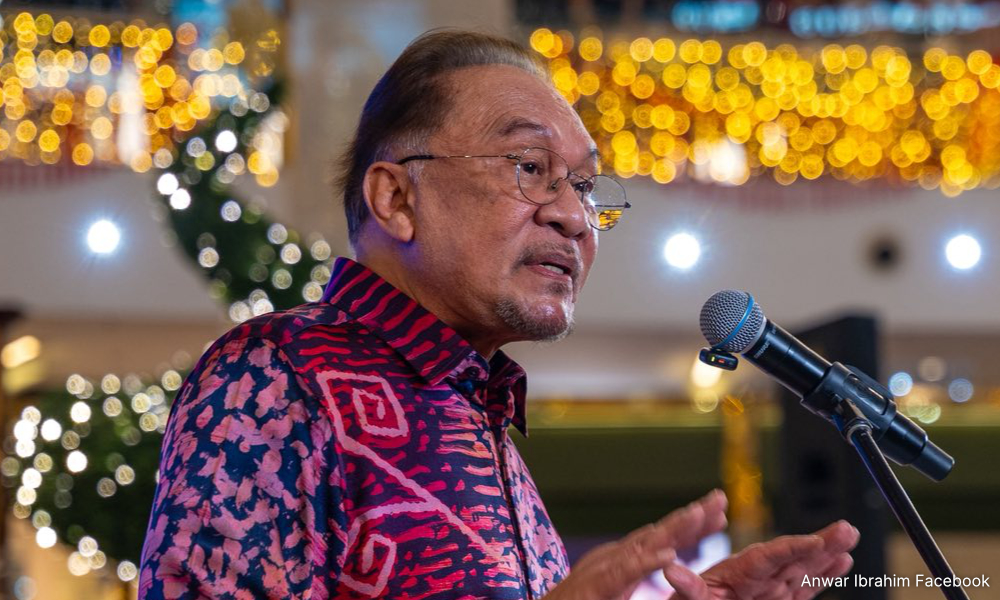
On Dec 12, Prime Minister Anwar Ibrahim, who responded to the UEC recognition issue, reminded all parties that any demands touching on religious, racial, or ethnic sensitivities must consider the constitutional position of the national language.
On Jan 24, Transport Minister Anthony Loke announced that the Education Ministry will amend its policy to allow students from non-government schools to sit only for Bahasa Malaysia and History papers for SPM.
He said those who obtain credit in Bahasa Malaysia and pass in History will become eligible to apply for admission to public universities.
READ MORE: A guide to the Chinese schools education system in Malaysia
This amendment would allow Chinese independent school students, among others, to sit for the two subjects, and any student who meets these requirements would qualify to apply to public universities.
This followed Anwar’s announcement at the launch of the National Education Plan 2026–2035 that all schools, including independent, Islamic, and international schools, will be required to teach SPM-level Bahasa Malaysia and History based on the national curriculum.


No comments:
Post a Comment