
Ismail Lasim’s continuous shifting stances leave Negeri administration in deeper bind
The MB is insisting that his exco remains legally in place while the state’s administrative machinery has already refused to implement the proclamation on which the exco relied
Updated 19 minutes ago · Published on 21 Sep 2026 4:10PM
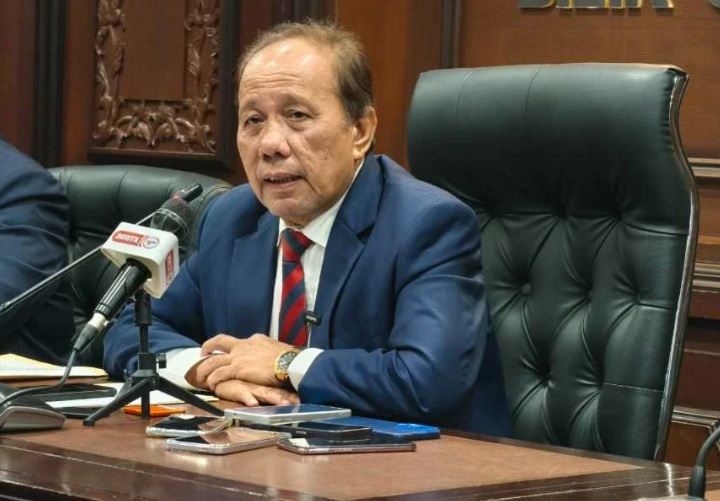
Ismail has now taken another position — that the same exco remains valid - September 21, 2026
DATUK Ismail Lasim’s latest move to reject the dismissal of his 10 state executive councillors has left the Negeri Sembilan Menteri Besar increasingly at odds with the state’s own administrative machinery.
Ismail said today that Tuanku Muhriz Tuanku Munawir’s decision to revoke the appointments of all 10 excos was unconstitutional because he, as Menteri Besar, had not been consulted or advised on their termination.
He consequently said there was no need to submit a new list of excos, insisting that the existing line-up remained valid and would continue carrying out its duties.
But that position comes after the Attorney-General’s Chambers said last week that the MB and state exco had no unilateral power to remove or declare vacant the position of the Yang di-Pertuan Besar.
The AGC also said the April 19 proclamation seeking to remove Tuanku Muhriz was invalid because it did not comply with the mandatory requirements under Article 10 of the Negeri Sembilan Constitution.
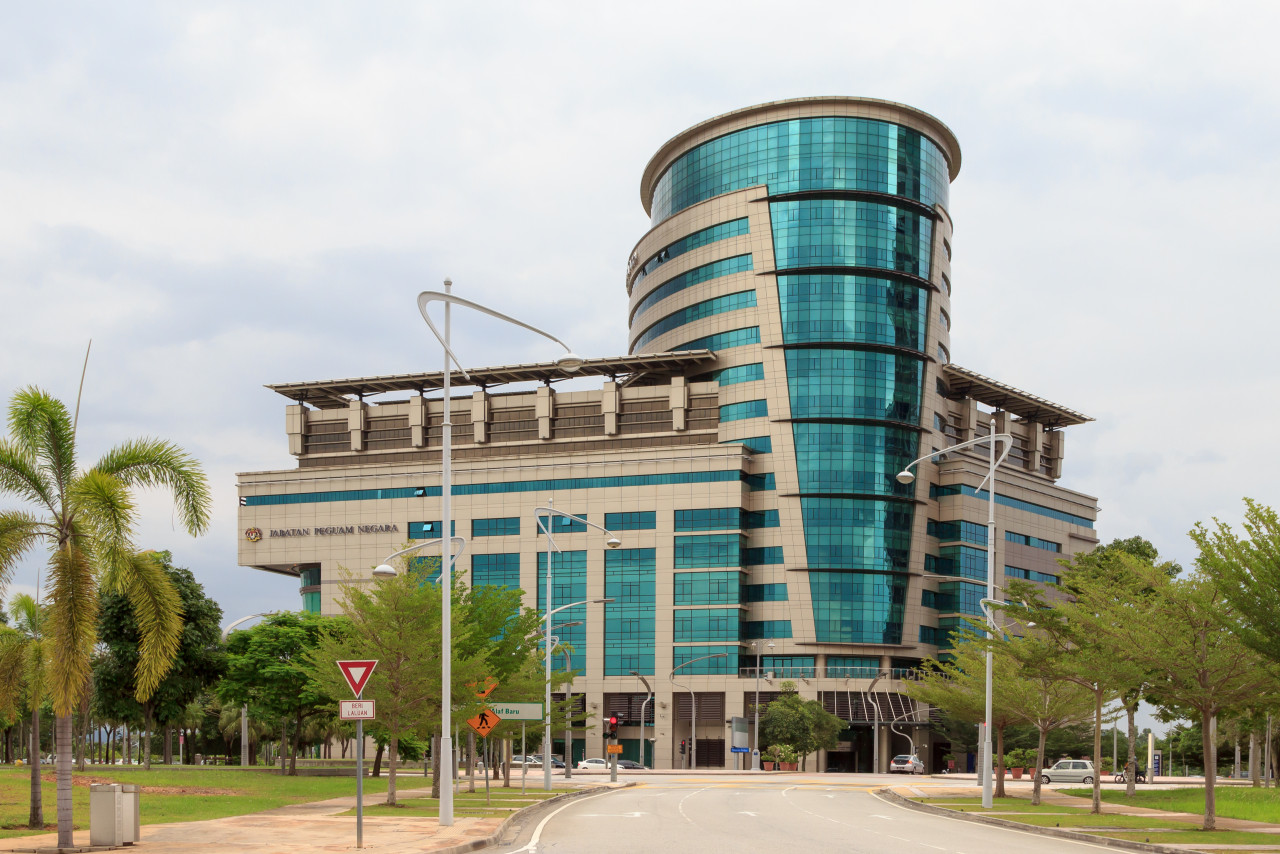
The state secretary’s office subsequently said it would not gazette or implement the disputed proclamation, after referring the matter to the state legal adviser and taking into account the AGC’s position.
That puts Ismail in an increasingly constitutionally precarious position.
The MB is insisting that his exco remains legally in place while the state’s administrative machinery has already refused to implement the proclamation on which the exco relied.
Further, he has not even spoken to the State government's legal adviser.
The Vibes understands that Ismail is no longer communicating with the state legal adviser over the dispute and is instead seeking advice from his own lawyer.
According to internal sources, the problem goes deeper.
The sources said the MB had also refused to respond to the state legal adviser and had not been in contact with the state secretary.
The same sources said both the state legal adviser and state secretary concur that the exco no longer has the power to act on the disputed matter.
They have not gone on record, however, because they are civil servants.
The state secretary’s position on the April proclamation is already public. His office said it would not proceed with gazetting it because doing so would be invalid and unconstitutional.
A remarkable change of position
The latest stand is also difficult to separate from Ismail’s own changing account of how the crisis unfolded.
On Sept 9, the MB said he had signed the proclamation concerning Tuanku Muhriz under duress.
He subsequently described the document as invalid and unconstitutional, lodged a police report and reaffirmed his loyalty to Tuanku Muhriz.
Days later, however, Ismail confirmed that the state exco had unanimously endorsed the proclamation at its Sept 15 meeting.
He said the state secretary had been instructed to proceed with its gazettement.
DATUK Ismail Lasim’s latest move to reject the dismissal of his 10 state executive councillors has left the Negeri Sembilan Menteri Besar increasingly at odds with the state’s own administrative machinery.
Ismail said today that Tuanku Muhriz Tuanku Munawir’s decision to revoke the appointments of all 10 excos was unconstitutional because he, as Menteri Besar, had not been consulted or advised on their termination.
He consequently said there was no need to submit a new list of excos, insisting that the existing line-up remained valid and would continue carrying out its duties.
But that position comes after the Attorney-General’s Chambers said last week that the MB and state exco had no unilateral power to remove or declare vacant the position of the Yang di-Pertuan Besar.
The AGC also said the April 19 proclamation seeking to remove Tuanku Muhriz was invalid because it did not comply with the mandatory requirements under Article 10 of the Negeri Sembilan Constitution.
The state secretary’s office subsequently said it would not gazette or implement the disputed proclamation, after referring the matter to the state legal adviser and taking into account the AGC’s position.
That puts Ismail in an increasingly constitutionally precarious position.
The MB is insisting that his exco remains legally in place while the state’s administrative machinery has already refused to implement the proclamation on which the exco relied.
Further, he has not even spoken to the State government's legal adviser.
The Vibes understands that Ismail is no longer communicating with the state legal adviser over the dispute and is instead seeking advice from his own lawyer.
According to internal sources, the problem goes deeper.
The sources said the MB had also refused to respond to the state legal adviser and had not been in contact with the state secretary.
The same sources said both the state legal adviser and state secretary concur that the exco no longer has the power to act on the disputed matter.
They have not gone on record, however, because they are civil servants.
The state secretary’s position on the April proclamation is already public. His office said it would not proceed with gazetting it because doing so would be invalid and unconstitutional.
A remarkable change of position
The latest stand is also difficult to separate from Ismail’s own changing account of how the crisis unfolded.
On Sept 9, the MB said he had signed the proclamation concerning Tuanku Muhriz under duress.
He subsequently described the document as invalid and unconstitutional, lodged a police report and reaffirmed his loyalty to Tuanku Muhriz.
Days later, however, Ismail confirmed that the state exco had unanimously endorsed the proclamation at its Sept 15 meeting.
He said the state secretary had been instructed to proceed with its gazettement.
The AGC responded the following day that the MB and exco had no jurisdiction or authority to make such a declaration and that their statement had no legal effect.
The state secretary then refused to carry out the directive.
Ismail has now taken another position — that the same exco remains valid despite Tuanku Muhriz having revoked the appointments.
The sequence leaves a straightforward question over the MB’s decision-making: what changed between his declaration that he had been forced to sign the proclamation and his later acceptance of an exco decision endorsing it?
What happened when he signed?
Internal sources have also given a more detailed account of the confrontation surrounding the signing.
According to the sources, Ismail had previously said he was pressured into signing and that an Undang aligned with the faction supporting the rival claimant had shouted at him during the episode.
The sources said the incident was considerably more confrontational than the subsequent public account suggested.
What is established is that Ismail himself said he had signed the proclamation under duress and subsequently lodged a police report over the matter.
Yet the same MB later stood behind an exco decision unanimously endorsing the proclamation.
That reversal is now central to questions over Ismail’s handling of the crisis.
The question is no longer simply whether Ismail will submit a new list of excos.
It is whether the Menteri Besar and the state administration are still operating from the same legal advice — and, if they are not, who exactly Ismail is listening to.
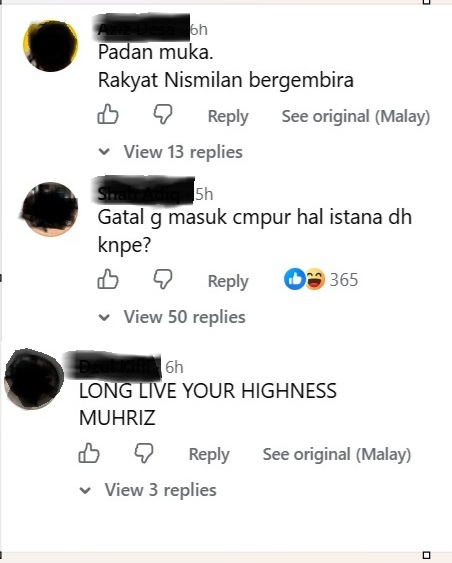
Anger on social media
On Facebook, a growing stream of comments has questioned why UMNO would allow the dispute to reach this point, particularly given the strong public affection expressed towards Tuanku Muhriz.
The Vibes is also informed by senior sources within the government that the Negeri Sembilan civil service is strongly behind the ruler.
Much of the commentary portrays Tuanku Muhriz as a widely respected ruler and questions the political wisdom of UMNO appearing to confront a royal institution that commands considerable goodwill in the state.
For critics, the episode has become a particularly awkward one for UMNO.
The party has traditionally positioned itself as a defender of the Malay rulers.
Yet in Negeri Sembilan, it is now facing criticism for its handling of a dispute involving the state’s own ruler.
Some commentators have gone as far as accusing UMNO of losing public support and making itself look increasingly out of touch by taking on a monarch they regard as popular and well respected.
They underline the wider problem now facing the party: a dispute that began inside the state government has quickly become a public argument over loyalty, the monarchy and UMNO's own political standing.
Traditional institutions and identity are a politically sensitive line to cross.
And as the dispute plays out publicly, the question increasingly being asked is not simply who will fill the vacant Exco posts. There is also the possibility that the state assembly is again dissolved and the mandate is returned to the people.
At this moment, it may not be something UMNO will risk.
It is whether Umno can repair its relationship with the royal institution.
It is becoming increasingly clear from the wide opinions shared on social media that the people are fed up with the political theatre UMNO in the state has created. – September 21, 2026


No comments:
Post a Comment