Murray Hunter
Trump Threatens to 'Blow Up' Oman Over Strait of Hormuz Control
Murray Hunter
May 28, 2026
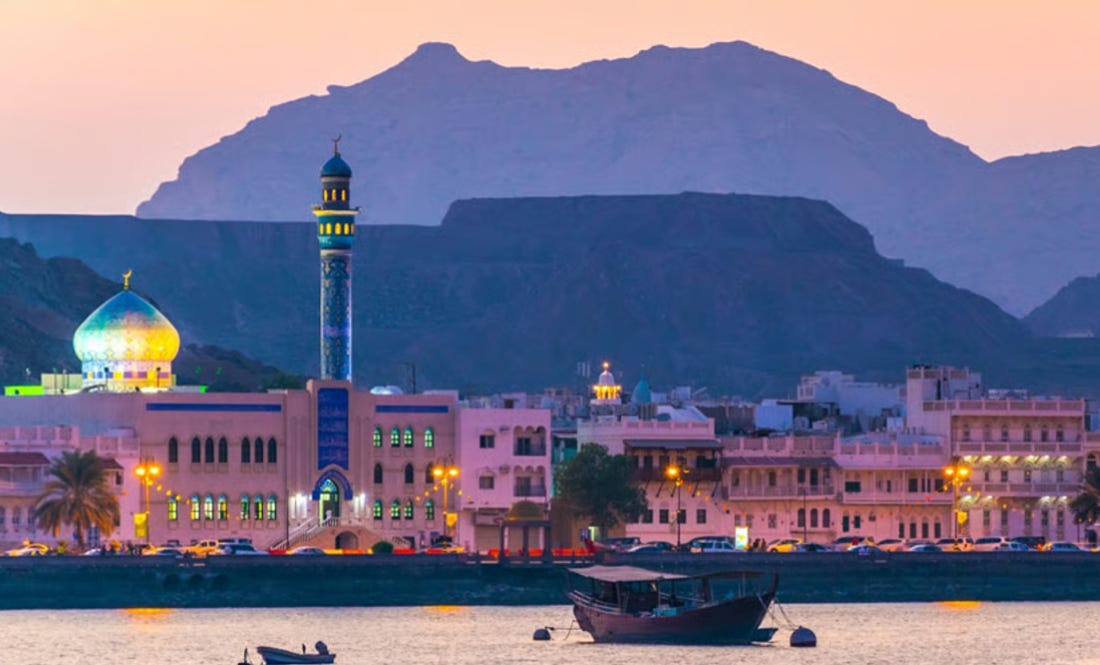
In a characteristically blunt outburst, US President Donald Trump has warned that America would not hesitate to attack its long-time Gulf ally Oman if the sultanate tries to exert control over the strategically vital Strait of Hormuz.
The remarks come amid ongoing tensions following the US and Israeli strikes on Iran earlier this year, which have effectively shut down the narrow chokepoint that carries around 25% of global seaborne oil and 20% of LNG shipments.
According to reports, Trump reacted sharply to suggestions from Iranian state media about a draft deal that would see Iran and Oman jointly managing traffic through the waterway once reopened.”The strait is going to be open to everybody,” Trump told journalists during a cabinet meeting. “We’ll watch over it, but nobody’s going to control it. That’s part of the negotiation that we have.”
He continued in typical fashion: “It’s international waters. And Oman will behave just like everybody else, or we’ll have to blow them up. They understand that. They’ll be fine.”
Oman has long served as a key mediator in the region, including in past talks on Iran’s nuclear programme, and maintains relatively pragmatic ties with both Washington and Tehran. The two countries sit on opposite sides of the strait’s narrowest section.
Iran closed the route to vessels from “hostile nations” after the initial airstrikes, while the US imposed its own blockade on Iranian ports. Tehran continues to assert its sovereign rights to manage traffic and impose tolls, part of broader peace demands that include reparations, US troop withdrawals from the region, and an end to Israel’s conflicts in Lebanon and Gaza.
For its part, the US insists on the complete dismantling of Iran’s nuclear programme, which Tehran maintains is purely peaceful.
This latest episode highlights the fragile and volatile nature of Gulf alliances in the post-strike environment. While Oman has historically played a stabilising diplomatic role, Trump’s direct threat underscores Washington’s determination to prevent any single power – ally or otherwise – from dominating this critical energy artery. The region remains on edge, with ripple effects already being felt in global energy markets and Southeast Asian economies heavily dependent on these shipments.
The situation is fluid, with potential for rapid escalation or uneasy compromise as negotiations continue behind the scenes. There are now reports of daily attacks by US forces upon Iranian targets contravening the fragile ceasefire.
Murray Hunter
May 28, 2026
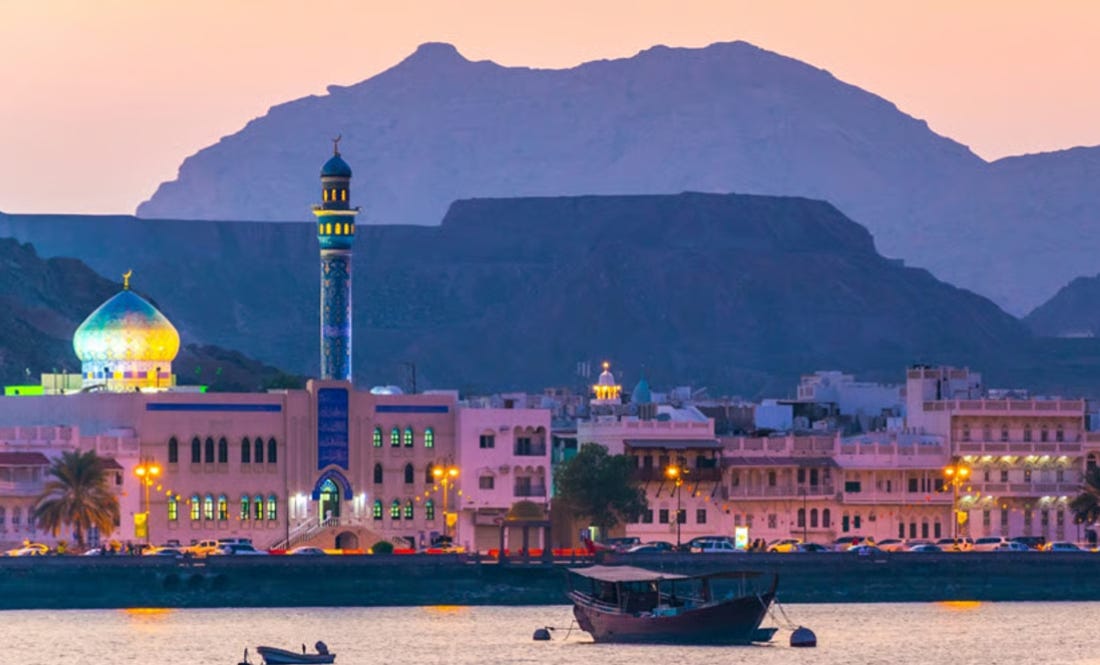
In a characteristically blunt outburst, US President Donald Trump has warned that America would not hesitate to attack its long-time Gulf ally Oman if the sultanate tries to exert control over the strategically vital Strait of Hormuz.
The remarks come amid ongoing tensions following the US and Israeli strikes on Iran earlier this year, which have effectively shut down the narrow chokepoint that carries around 25% of global seaborne oil and 20% of LNG shipments.
According to reports, Trump reacted sharply to suggestions from Iranian state media about a draft deal that would see Iran and Oman jointly managing traffic through the waterway once reopened.”The strait is going to be open to everybody,” Trump told journalists during a cabinet meeting. “We’ll watch over it, but nobody’s going to control it. That’s part of the negotiation that we have.”
He continued in typical fashion: “It’s international waters. And Oman will behave just like everybody else, or we’ll have to blow them up. They understand that. They’ll be fine.”
Oman has long served as a key mediator in the region, including in past talks on Iran’s nuclear programme, and maintains relatively pragmatic ties with both Washington and Tehran. The two countries sit on opposite sides of the strait’s narrowest section.
Iran closed the route to vessels from “hostile nations” after the initial airstrikes, while the US imposed its own blockade on Iranian ports. Tehran continues to assert its sovereign rights to manage traffic and impose tolls, part of broader peace demands that include reparations, US troop withdrawals from the region, and an end to Israel’s conflicts in Lebanon and Gaza.
For its part, the US insists on the complete dismantling of Iran’s nuclear programme, which Tehran maintains is purely peaceful.
This latest episode highlights the fragile and volatile nature of Gulf alliances in the post-strike environment. While Oman has historically played a stabilising diplomatic role, Trump’s direct threat underscores Washington’s determination to prevent any single power – ally or otherwise – from dominating this critical energy artery. The region remains on edge, with ripple effects already being felt in global energy markets and Southeast Asian economies heavily dependent on these shipments.
The situation is fluid, with potential for rapid escalation or uneasy compromise as negotiations continue behind the scenes. There are now reports of daily attacks by US forces upon Iranian targets contravening the fragile ceasefire.


No comments:
Post a Comment