

Respect artistic expression, stop treating concerts as religious threats - DAP Youth
Published: Nov 10, 2026 1:22 PM
DAP Youth has urged authorities to respect artistic expression and refrain from treating entertainment performances as religious threats, following the Islamic Development Department’s (Jakim) probe into a foreign artist’s recent concerts in Kuala Lumpur.
The investigation follows Canadian singer-songwriter The Weeknd’s performances at the Bukit Jalil National Stadium on Nov 4 and 5, which drew criticism over elements allegedly contradicting Islamic beliefs.
These include the display of a 12m golden statue, a recurring centrepiece of his concerts worldwide.
PAS Youth chief Sukri Omar had purported the performances were inspired by a fictional civilisation whose followers worshipped machines as gods, Free Malaysia Today reported.
However, DAP Youth chief Woo Kah Leong said stage sculptures, costumes, and theatrical performances should not be mistaken for ritualistic worship, let alone associated with cults or Satanism.

The golden statue featured in The Weeknd's concert
Woo instead stressed that unnecessary investigations over cultural and entertainment issues could damage Malaysia’s international image and turn the country into an “international laughing stock”.
“DAP Youth opines that government agencies should act based on facts, rather than jumping on the bandwagon whenever someone alleges cult activity.
“Such actions would only serve the agenda of conspiracy theorists by giving official credibility and prominence to baseless speculation,” he said in a statement dated Nov 9.
‘Must we entertain every complaint?’
The Pasir Bedamar assemblyperson also cited past instances of “cultural panic”, where cultural works or symbols were misinterpreted and linked to religious or political conspiracies without credible evidence.
This included a 2019 controversy in Penang when an apartment building was accused of promoting Christianisation because its lighting resembled a cross.
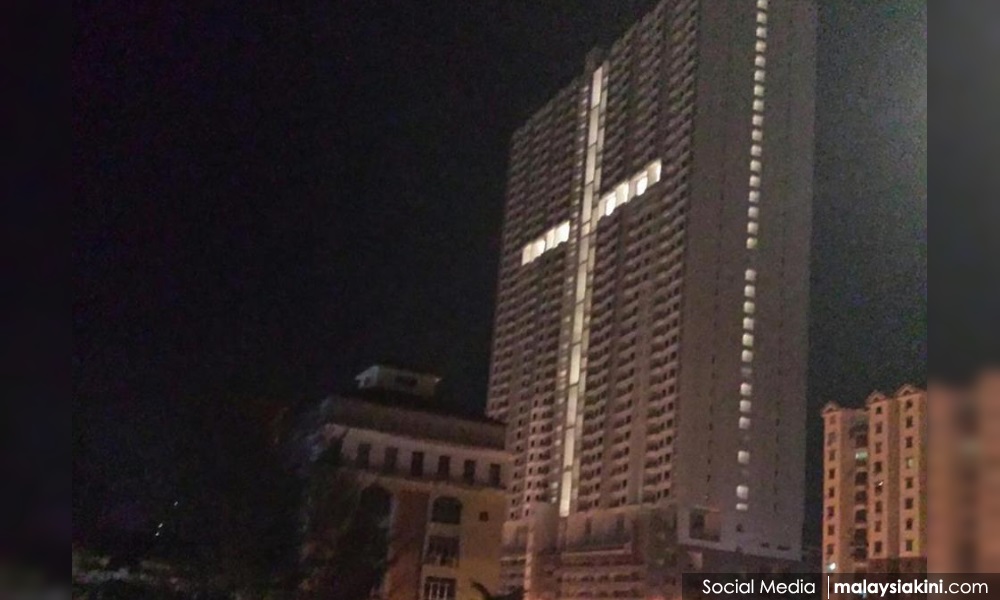
“From the lighting of high-rise buildings to sculptures at concerts, must the authorities entertain every complaint just because some people dislike or fail to understand certain shapes and interpret them as part of a religious conspiracy?” he asked.
Woo warned that treating artistic performances as religious threats without concrete evidence could expose content creators and industry players to unnecessary political pressure, and discourage international artistes and event organisers from bringing their productions to Malaysia.
He urged authorities to distinguish between artistic expression and actual religious activities, adding that Malaysia should focus on education, technology, and talent development rather than baseless speculation.
“If we continue moving backwards and wasting time on imagined cultural threats, Malaysia will only squander our resources and fall further behind the times,” he said.
“DAP Youth opines that government agencies should act based on facts, rather than jumping on the bandwagon whenever someone alleges cult activity.
“Such actions would only serve the agenda of conspiracy theorists by giving official credibility and prominence to baseless speculation,” he said in a statement dated Nov 9.
‘Must we entertain every complaint?’
The Pasir Bedamar assemblyperson also cited past instances of “cultural panic”, where cultural works or symbols were misinterpreted and linked to religious or political conspiracies without credible evidence.
This included a 2019 controversy in Penang when an apartment building was accused of promoting Christianisation because its lighting resembled a cross.
“From the lighting of high-rise buildings to sculptures at concerts, must the authorities entertain every complaint just because some people dislike or fail to understand certain shapes and interpret them as part of a religious conspiracy?” he asked.
Woo warned that treating artistic performances as religious threats without concrete evidence could expose content creators and industry players to unnecessary political pressure, and discourage international artistes and event organisers from bringing their productions to Malaysia.
He urged authorities to distinguish between artistic expression and actual religious activities, adding that Malaysia should focus on education, technology, and talent development rather than baseless speculation.
“If we continue moving backwards and wasting time on imagined cultural threats, Malaysia will only squander our resources and fall further behind the times,” he said.
No comments:
Post a Comment