
US sanctions ICC President Tomoko Akane over claims of ‘politicised’ court
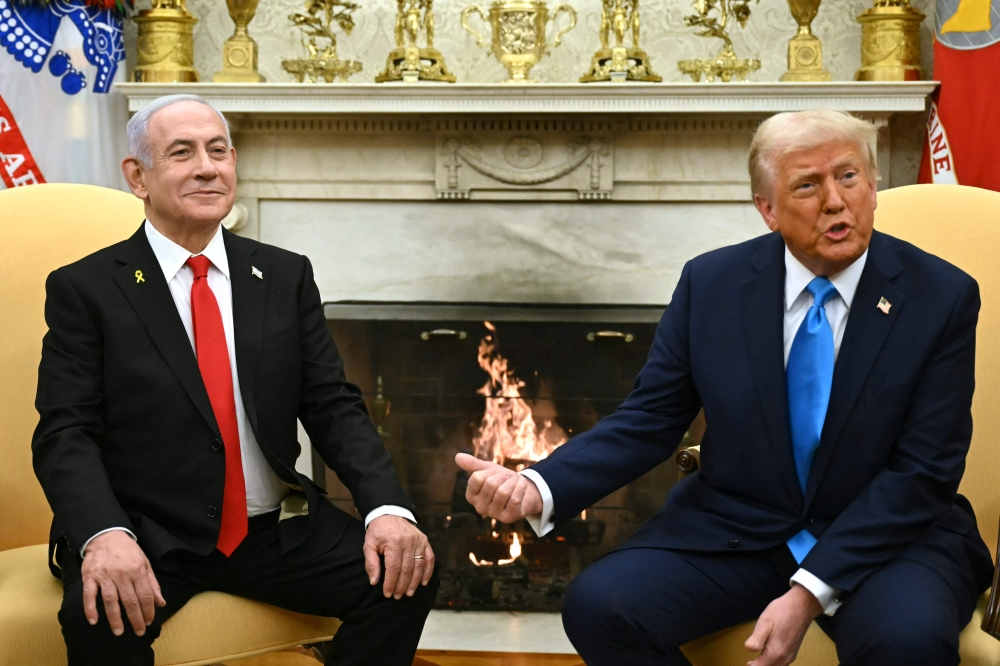
US President Donald Trump meets with Israel’s Prime Minister Benjamin Netanyahu in the Oval Office of the White House in Washington, DC on February 4, 2025. — Picture by AFP
Summary
- The United States imposed sanctions on International Criminal Court President Tomoko Akane and Senior Trial Lawyer Abdoulaye Seye as part of an ongoing critique of the court's alleged politicization.
- This action, following a series of US measures against ICC officials, aims to counteract ICC investigations, notably those targeting US allies like Israel.
- The sanctions, which prevent ICC officials from entering the US or using its financial system, have sparked criticism from the court, which claims that such actions threaten the rule of law.
- The tensions are exacerbated by past ICC arrest warrants for leaders such as Israeli Prime Minister Netanyahu and Russian President Putin over conflicts in Gaza and Ukraine respectively.
First Published: Wednesday, 19 Aug 2026 8:43 AM MYT
WASHINGTON, Aug 19 — The United States on Tuesday imposed sanctions against International Criminal Court President Tomoko Akane of Japan as part of its campaign against the body that it accuses of being “politicised.”
Washington also slapped sanctions on ICC Senior Trial Lawyer Abdoulaye Seye of Senegal in the Trump administration’s latest salvo against The Hague-based court.
“These individuals have directly engaged in efforts by the ICC to investigate, arrest, detain, or prosecute officials whose government has not consented to ICC jurisdiction,” US Secretary of State Marco Rubio said in a statement.
The ICC retorted Tuesday, saying the US sanctions “undermine the rule of law.”
“When judicial actors are threatened for applying the law, it is the international legal order itself that is placed at risk,” the court said in a statement.
Established in 2002, the ICC prosecutes individuals accused of the gravest atrocities and acts as a last resort when countries do not have adequate legal systems to ensure accountability.
The United States, which is not a party to the international treaty that established the ICC, has already imposed sanctions against several of the court’s officials.
The measures bar them from entering the United States and from carrying out transactions in the US financial system.
It is largely a response to ICC investigations targeting Israel, a US ally. In 2024, the court issued an arrest warrant for Israeli Prime Minister Benjamin Netanyahu over the war in Gaza.
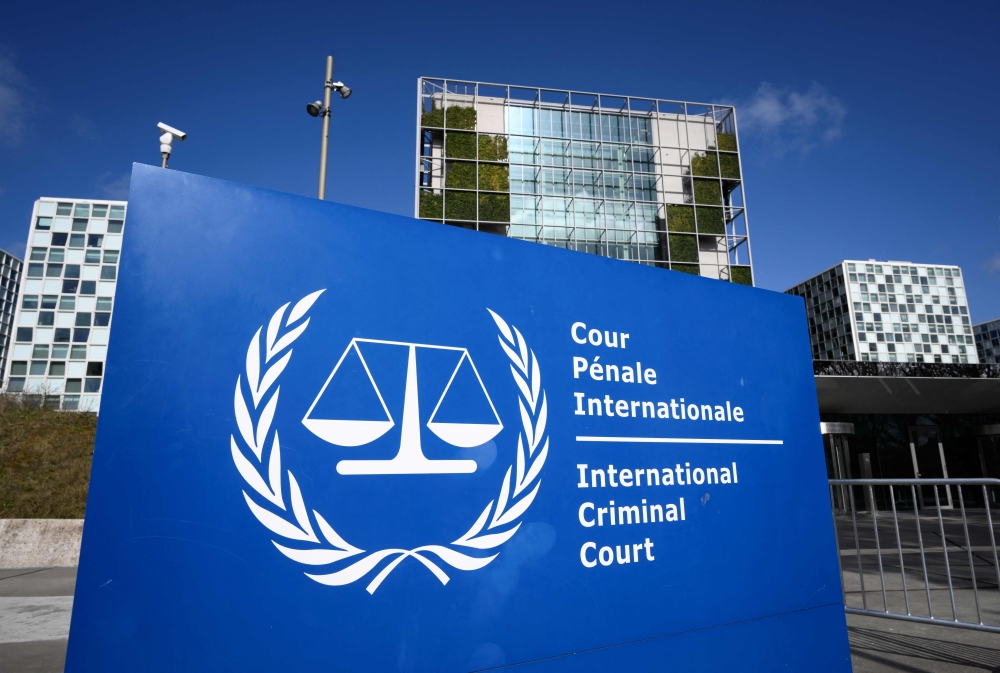
A general view shows the exterior of the International Criminal Court in The Hague on March 28, 2026. — AFP pic
Victims of war crimes
Last month, Washington launched a major diplomatic offensive against the ICC, accusing it of “threatening” Americans and calling on partners to withdraw from the body – a move already announced by Chad and Venezuela, which has aligned with the United States since the capture and ouster of leader Nicolas Maduro.
The ICC expressed concern over those withdrawals, asserting that such countries risked undermining the collective pursuit of justice.
The United States signed the Rome Statute establishing the ICC but never ratified the treaty. Israel and Russia are not ICC members either.
“The Trump Administration has been clear: the International Criminal Court is a corrupt and fatally politicized supranational court that has maliciously abused its authority and exceeded its mandate. We will not tolerate its assault on state sovereignty,” Rubio’s statement said.
Last week, four human rights groups sued US President Donald Trump in a New York court over his sanctions targeting the ICC, saying the measures block victims of war crimes from pursuing justice.
In 2023, the ICC issued an arrest warrant for Russian President Vladimir Putin over the war in Ukraine, prompting Moscow to issue its own arrest warrants for senior court officials. — AFP
Akane must respond by issuing arrest warrant for 47.....for attacking Iran.
ReplyDeleteGo On, Just Do It.
The ICC's anti-American bias is way too obvious.
ReplyDelete