
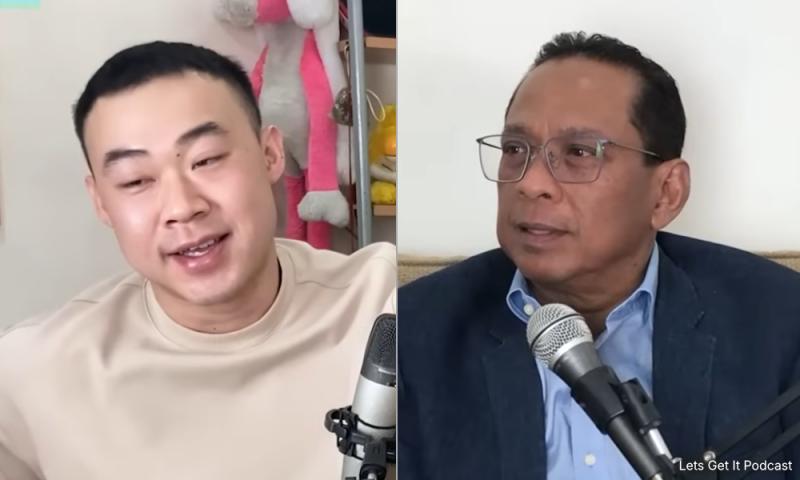

Podcasting duo’s arrest raises questions about selective policing of 'sensitive views'
Zarrah Morden
Published: Aug 12, 2026 7:00 AM
Updated: 12:21 PM
The arrest of two podcasters - The Gut Shot producer Shamsul Saad and Let's Get It producer Bryan Kong - over remarks touching on race, religion, and politics has sparked a debate over the limits of free speech in Malaysia.
Shamsul and Kong - the latter of whom was misidentified by multiple media as local comedian Brian Tan - were arrested on Aug 6 and held for two days over an episode of Kong’s podcast featuring Shamsul, titled “Malaysia Introduced Me to Racism”.
The episode aired last month on July 2, but clips of it began to circulate among conservative circles last week, sparking an uproar over Shamsul’s remarks regarding religion.
During the interview, Shamsul blamed race-based policies, the abandonment of English-medium education, and an overemphasis on religious subjects initiated during Prime Minister Anwar Ibrahim’s 1986-1991 tenure as education minister for breeding mediocrity and degrading national standards.
Highlighting growing religious pressure, he shared that his daughter resigned as a school prefect over headscarf enforcement, while panning non-Muslim politicians who wear the hijab to pander to voters as an insult to Muslim women resisting such mandates.
Published: Aug 12, 2026 7:00 AM
Updated: 12:21 PM
The arrest of two podcasters - The Gut Shot producer Shamsul Saad and Let's Get It producer Bryan Kong - over remarks touching on race, religion, and politics has sparked a debate over the limits of free speech in Malaysia.
Shamsul and Kong - the latter of whom was misidentified by multiple media as local comedian Brian Tan - were arrested on Aug 6 and held for two days over an episode of Kong’s podcast featuring Shamsul, titled “Malaysia Introduced Me to Racism”.
The episode aired last month on July 2, but clips of it began to circulate among conservative circles last week, sparking an uproar over Shamsul’s remarks regarding religion.
During the interview, Shamsul blamed race-based policies, the abandonment of English-medium education, and an overemphasis on religious subjects initiated during Prime Minister Anwar Ibrahim’s 1986-1991 tenure as education minister for breeding mediocrity and degrading national standards.
Highlighting growing religious pressure, he shared that his daughter resigned as a school prefect over headscarf enforcement, while panning non-Muslim politicians who wear the hijab to pander to voters as an insult to Muslim women resisting such mandates.

He also called for sweeping structural overhauls across Malaysia’s systems, including legally mandated equal opportunity laws and the abolition of religious political parties.
The remarks led to investigations under three different sections of the Penal Code covering remarks that hurt religious feelings, provoke a breach of the peace, and incite offences against the state or public peace.
Kong and Shamsul were also investigated under Section 4(1) of the Sedition Act and Section 233 of the Communications and Multimedia Act, which covers misuse of network facilities.
In a video days after being released from police custody, Shamsul slammed the government for using “Gestapo” tactics and the Sedition Act to punish two individuals for simply sharing their personal views.
Shamsul also called out the authorities for selective enforcement, pointing out that other individuals facing multiple police reports were never remanded, before pledging to continue fighting against political oppression to save the country.
Police tactics questioned
Speaking to Malaysiakini, the duo’s lawyer Siti Kasim questioned why the two were treated differently.
While Shamsul was the main subject of controversy, police had allowed him to schedule an appointment for questioning.
Kong, who was the interviewer, on the other hand, had 10 police officers turn up at his home to bring him to the Klang Utara district police headquarters.
Shamsul was arrested when he decided to turn up at the police station early to support Kong.
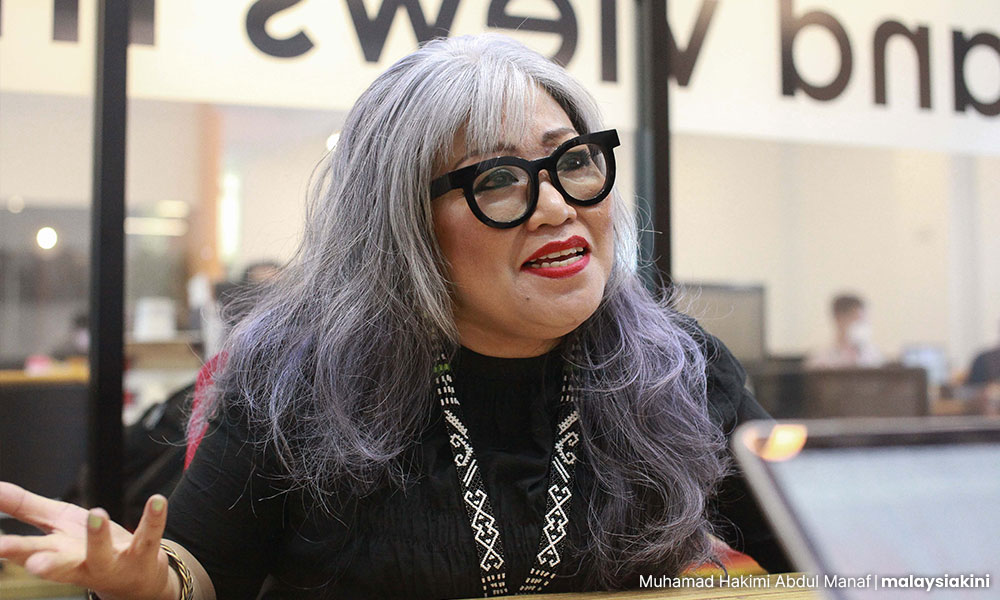
Lawyer Siti Kasim
Siti questioned whether the inconsistent treatment between the men was because of their ethnicities.
“One participant was allowed some latitude in arranging when to give his statement, while the other was confronted at his home by a large police presence and compelled to follow the police to the station.
“The authorities must explain the difference objectively. Race must never influence how police discretion is exercised,” she said.
The police have not responded to Malaysiakini's request for comment.
Siti further said that greater institutional restraint was warranted given that the complainant reportedly came from a religious authority.
“A state religious body is powerful. It should be capable of answering criticism with facts and reason.
“It should not appear to be using the criminal justice system to shield itself, religion, or religious orthodoxy from scrutiny,” she asserted.
Whither free speech?
Separately, former Selangor Bar chairperson Kokila Vaani Vadiveloo said the Sedition Act should not be used whenever speech touches on sensitive issues such as race or religion.
She said Kong and Shamsul’s discussion centred on personal experiences and such comments should, at least prima facie, be distinguished from attacks on a particular race or religion.
Siti questioned whether the inconsistent treatment between the men was because of their ethnicities.
“One participant was allowed some latitude in arranging when to give his statement, while the other was confronted at his home by a large police presence and compelled to follow the police to the station.
“The authorities must explain the difference objectively. Race must never influence how police discretion is exercised,” she said.
The police have not responded to Malaysiakini's request for comment.
Siti further said that greater institutional restraint was warranted given that the complainant reportedly came from a religious authority.
“A state religious body is powerful. It should be capable of answering criticism with facts and reason.
“It should not appear to be using the criminal justice system to shield itself, religion, or religious orthodoxy from scrutiny,” she asserted.
Whither free speech?
Separately, former Selangor Bar chairperson Kokila Vaani Vadiveloo said the Sedition Act should not be used whenever speech touches on sensitive issues such as race or religion.
She said Kong and Shamsul’s discussion centred on personal experiences and such comments should, at least prima facie, be distinguished from attacks on a particular race or religion.
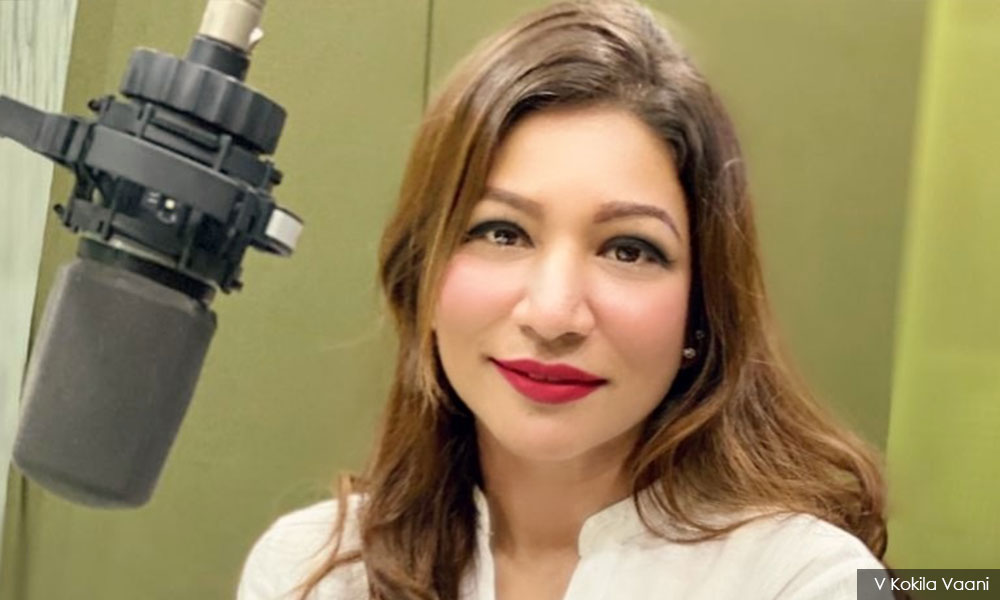
Former Selangor Bar chairperson Kokila Vaani Vadiveloo
She pointed to Singapore’s repeal of its Sedition Act in 2022, noting that the country retained more targeted offences relating to serious racial or religious disharmony, incitement to violence, and breaches of the peace.
Kokila said the central concern in the present case was where to draw the line between criticism of a religious community and criticism of the political use or performance of religion.
Meanwhile, Centre for Independent Journalism executive director Wathshlah Naidu described the police action against Kong and Shamsul as “extremely disproportionate”.
Arguing that the arrests appeared to be a response to public outrage, she said the issues discussed were politically sensitive but did not necessarily amount to incitement or sedition.
She also questioned the need to detain both individuals for two days, while seizing their phones and other devices.
Siti, Kokila, and Wathshlah agreed that Malaysia was likely to see more cases involving controversial speech unless there were meaningful changes to laws and enforcement practices.
She pointed to Singapore’s repeal of its Sedition Act in 2022, noting that the country retained more targeted offences relating to serious racial or religious disharmony, incitement to violence, and breaches of the peace.
Kokila said the central concern in the present case was where to draw the line between criticism of a religious community and criticism of the political use or performance of religion.
Meanwhile, Centre for Independent Journalism executive director Wathshlah Naidu described the police action against Kong and Shamsul as “extremely disproportionate”.
Arguing that the arrests appeared to be a response to public outrage, she said the issues discussed were politically sensitive but did not necessarily amount to incitement or sedition.
She also questioned the need to detain both individuals for two days, while seizing their phones and other devices.
Siti, Kokila, and Wathshlah agreed that Malaysia was likely to see more cases involving controversial speech unless there were meaningful changes to laws and enforcement practices.
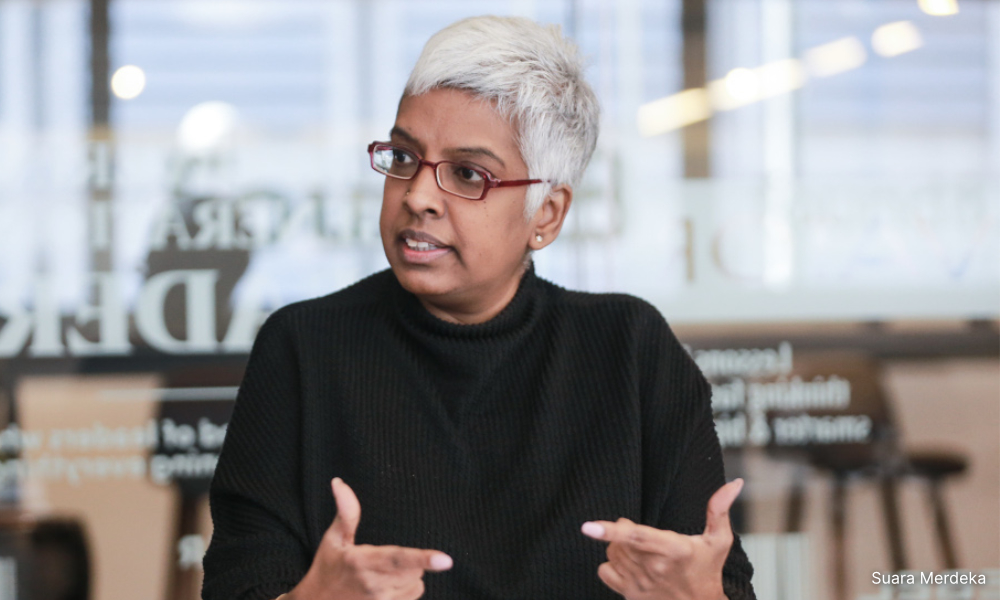
CIJ executive director Wathshlah Naidu
Wathshlah said the issue was ultimately political, institutional, and legal, as Malaysia’s racial and religious divisions intersected with competing political interests while the existing legal framework gave the state extensive powers over speech.
“The problem, thus, is multi-pronged. Hence, the need to address the root causes of the divide, rather than look for a band-aid solution,” she explained.
She urged the government to encourage a culture of debate, rebuttal, and clarification, resorting to legal action only when truly necessary.
“The problem, thus, is multi-pronged. Hence, the need to address the root causes of the divide, rather than look for a band-aid solution,” she explained.
She urged the government to encourage a culture of debate, rebuttal, and clarification, resorting to legal action only when truly necessary.
READ MORE:
Rayer questions differing police action over podcasters' arrest, compares it with preacher Ridhuan Tee
Madani govt ramps up use of draconian laws by 23pct, CIJ report shows
Madani govt ramps up use of draconian laws by 23pct, CIJ report shows
No comments:
Post a Comment