Murray Hunter
May 02, 2026
Are petrol subsidies more important than government services?
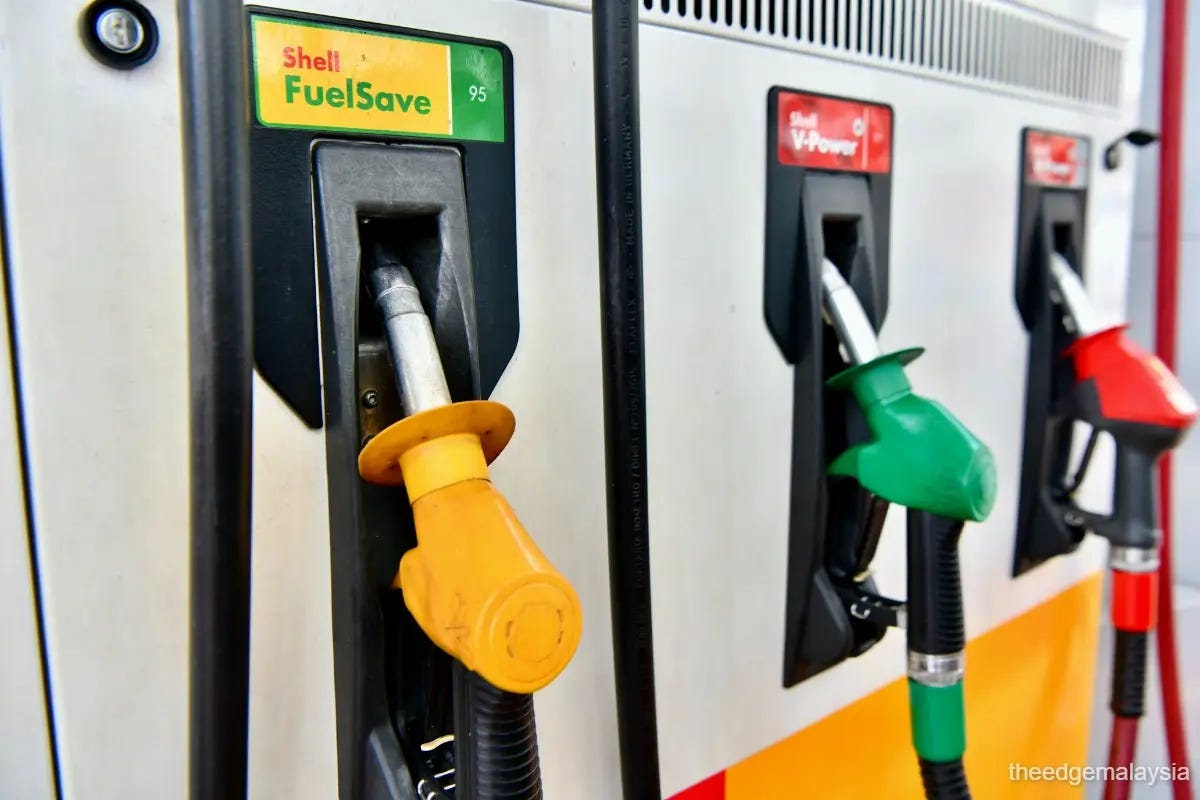
The government has reached a tight situation by its own volitions that some hard choices must be made about government spending.
Maintaining the current petrol subsidy regimes seems to be more important than some basic government services which are being cut. The government is now beginning to tighten government spending as the weight of fuel subsidies rise. This is caused by the Middle East crisis Fahmi Fadzil, the government spokesman announced.
Ministries have been told to submit proposed budget cuts by May 15, as part of a coordinated review by the Ministry of Finance. It is claimed that the urgency in cutting other government spending arises from an RM 7.0 billion per month subsidy cost. Fuel subsidies have risen from RM 400 million to RM 3.0 billion in order to keep costs down in key sectors like agriculture, fishing, and logistics.
The whole point of the subsidies is to keep costs down and hedge a potential inflation surge.
The Ministry of Finance has already stated that it plans to achieve a 10% reduction in spending on services, supplies, asset purchases, salaries and allowances. This would amount to some RM 40 billion. GLCs and agencies have been instructed to cut spending by 20%.
Reports indicate that RM 2.06 billion will come from the Health Ministry’s RM 46.5 billion budget, RM 2.39 billion will come from the Higher Education Ministry’s RM 18.6 billion budget, and the Defence and Home Ministries are also due to make drastic cuts.
There is some great wisdom in cutting government expenditure, particularly what is non-essential spending. It’s a sort of “Doge like” activity within the government, and for this the administration should be congratulated. This is great management.
However, one must also ask the question, should government finances be strained so much to ensure consumers don’t pay anymore for RON95? A rise in petrol prices could have a positive effect by encouraging consumers to think twice about their petrol usage. Petrol price rises within the region have seen a lower volume of private traffic on the road system. A rise in the price of petrol is a form of market induced rationing.
This could be something worth considering. Such a move might save the government a lot of money.
The elephant in the room
There is an elephant in the room regarding federal fiscal finances this year. The planned budget deficit of RM 74.6 billion looks like overrunning to something around R< 110-134 billion. It appears the key pressure on this has been the massive rise in fuel subsidies.
However, government bond issues in the first quarter of the year were RM 45 billion. These bonds were issued before any knowledge and effects of the Middle East war came into the picture. So the question here is where has been all the borrowed money gone to?
There seems to be a big hole in the budget figure that hasn’t been explained. The rise in petrol subsidies just doesn’t explain things.
No comments:
Post a Comment