



Bridget Welsh
Published: Aug 3, 2026 11:17 AM
Updated: 1:25 PM
COMMENT | As with any election, analyses pour in. Inevitably, they range from the “gloating” to the “gloom and doom” with a mix of denial.
Below, I lay out nine observations from the election:
Campaign
1. Advantage of coherent strategy: Pakatan Harapan lacked a coherent, coordinated electoral campaign strategy. As such, the campaign became overshadowed by reactive responses, prone to gaffes.
From Sabah to Negeri Sembilan, there has been a lack of connectivity to the ground, even, at times, insensitivity.
Erosion of support from three elections has compounded for Harapan, impacting messaging and machinery.
This stands in stark contrast to Gabungan Rakyat Sabah (GRS) in Sabah and BN-led campaigns in Johor and Negeri Sembilan that have been better executed.
2. Lost hope - For over three and a half years, there have been consistent messages calling for Harapan leadership to address the issues that got them elected - political reform, multi-inclusion and cleaner government.
Political reform has been repeatedly promised, including in the last parliament session. Even the two-term limit for a prime minister has failed to pass.
Published: Aug 3, 2026 11:17 AM
Updated: 1:25 PM
COMMENT | As with any election, analyses pour in. Inevitably, they range from the “gloating” to the “gloom and doom” with a mix of denial.
Below, I lay out nine observations from the election:
Campaign
1. Advantage of coherent strategy: Pakatan Harapan lacked a coherent, coordinated electoral campaign strategy. As such, the campaign became overshadowed by reactive responses, prone to gaffes.
From Sabah to Negeri Sembilan, there has been a lack of connectivity to the ground, even, at times, insensitivity.
Erosion of support from three elections has compounded for Harapan, impacting messaging and machinery.
This stands in stark contrast to Gabungan Rakyat Sabah (GRS) in Sabah and BN-led campaigns in Johor and Negeri Sembilan that have been better executed.
2. Lost hope - For over three and a half years, there have been consistent messages calling for Harapan leadership to address the issues that got them elected - political reform, multi-inclusion and cleaner government.
Political reform has been repeatedly promised, including in the last parliament session. Even the two-term limit for a prime minister has failed to pass.

It has always been a matter of political will. Now it is a matter of whether the government can garner the numbers to pass legislation, especially bills needing a two-thirds majority.
Sadly, ethnic relations in the country are worsening, and this is not the product of one political side or community, but multiple.
Harapan’s control of the government has fuelled ethnic insecurities among the Malay community while simultaneously being resistant to addressing those of the other communities. The effect is higher insecurities across communities.
Corruption remains a serious problem, with open questions being asked about political ties to questionable figures.
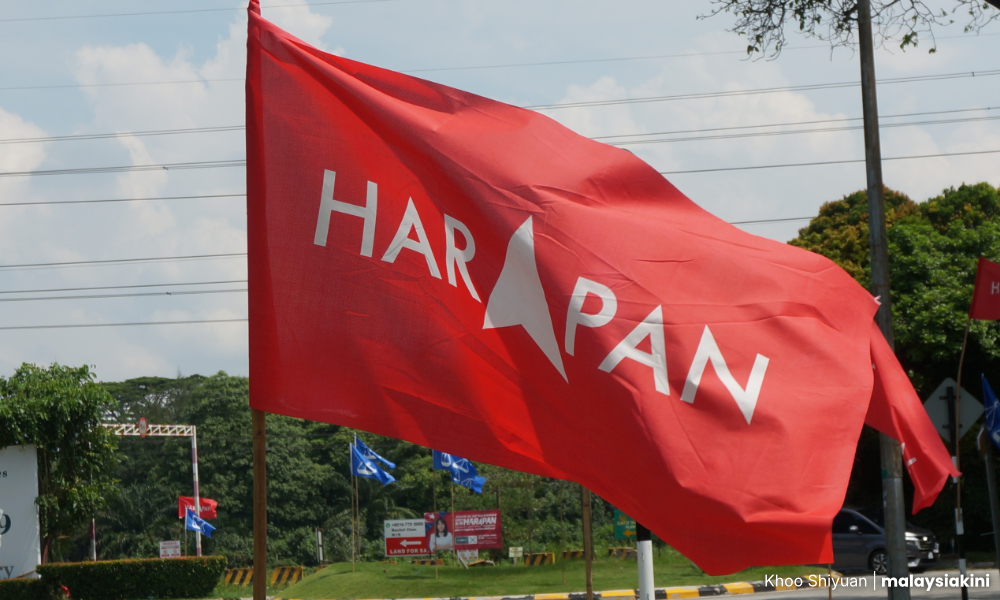
Collectively, these factors have undercut the enthusiasm for Harapan. There is a palpable loss of hope even among core supporters; without “harapan” (hope), there is no support for Harapan.
3. BN victory - BN carried Perikatan Nasional in Negeri Sembilan: The picture presented is that the cooperation arrangement of BN-PN is one in which the former depended on the latter. This may be true in the Malay northern heartland. This is far from the reality in Negeri Sembilan or Johor for that matter.
BN could have won the government on their own, securing a victory without PAS and Parti Wawasan Negara, the former of whose racial vitriol almost cost the BN-PN coalition critical support in competitive seats during the campaign (which was neutralised by the backfire of mistakes by Harapan in the last days of the campaign), and the latter of which came for the ride and contributed little.
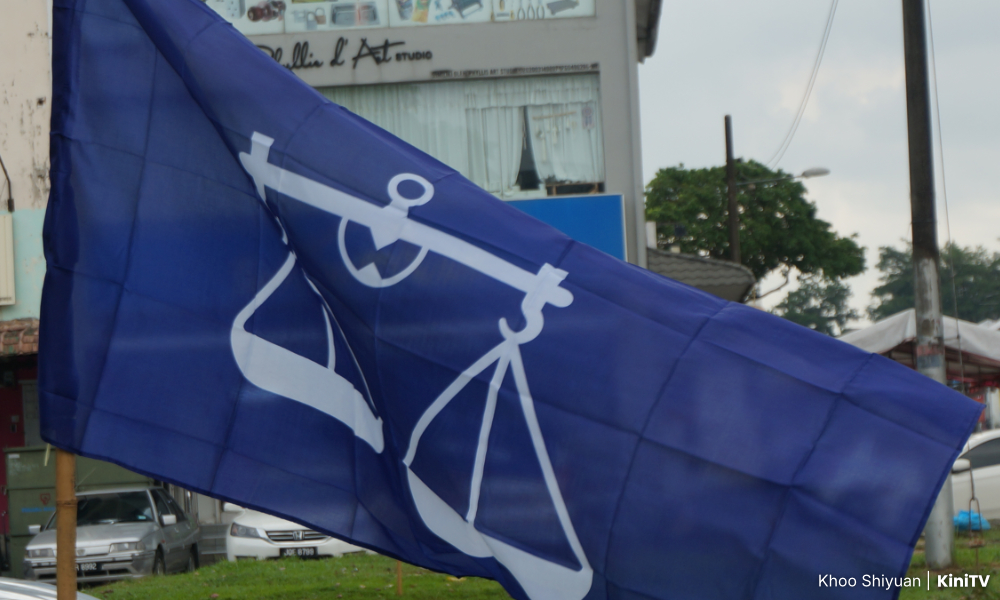
Minimally, seats such as Gemas, Klawang, Ampangan, Bagan Pinang and more would have been won by BN without PN support, which has reduced since 2023 in multi-ethnic states.
The majority of Negeri Sembilan voters supported PN because of its tie to BN in the state, contributing to victories in Sikamat, Klawang and Ampangan, for example.
Results
4. Not just racial politics - There is a need to look beyond simplistic analysis that ties everything in Malaysia to racial politics.
Ethnic voting may account for the prominent reason for the results, but it is far from the only factor.
Generational issues were at work: Younger voters want something different than “kekal” (retain). They went blue - and by extension green - opting for the future, not the past.
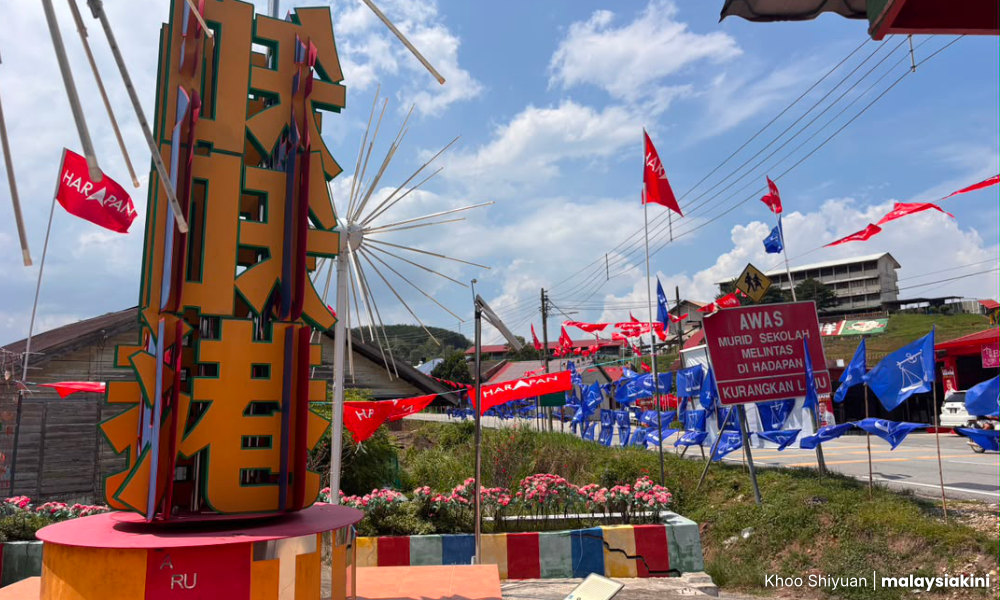
Economic considerations mattered. Many domestic business people are unhappy with how the economy is being managed, especially small businesses.
At a local level, it is often harder to do business in Malaysia than before, with slower decision-making and continued obstacles.
Margins are thin, tied to higher cost-of-living. High investment numbers are not impacting ordinary struggles.
ALSO READ: MP SPEAKS | MSMEs must be saved to prevent job losses
Populist measures are a band-aid on structural problems of poverty and vulnerability, lack of living wages and exclusion, particularly for those without connections.
Without policies to address the causes of limited social mobility, insecurities remain easily tapped during elections.
5. Chennah’s loss is overstated - Anthony Loke took one for the team. The descriptions that Loke’s Chennah result was a major defeat, a seat lost by less than 500 votes, belie reality. It was a close race, where swings across communities shaped the outcome.
Chennah has always been a challenging seat, one in which he could have opted to leave and instead stayed to fight.
While there were grievances that were personally directed toward him - by lorry drivers, over mismanagement of poor commuter train service in Negeri Sembilan and anti-DAP rhetoric - the close margin speaks to a close fight.
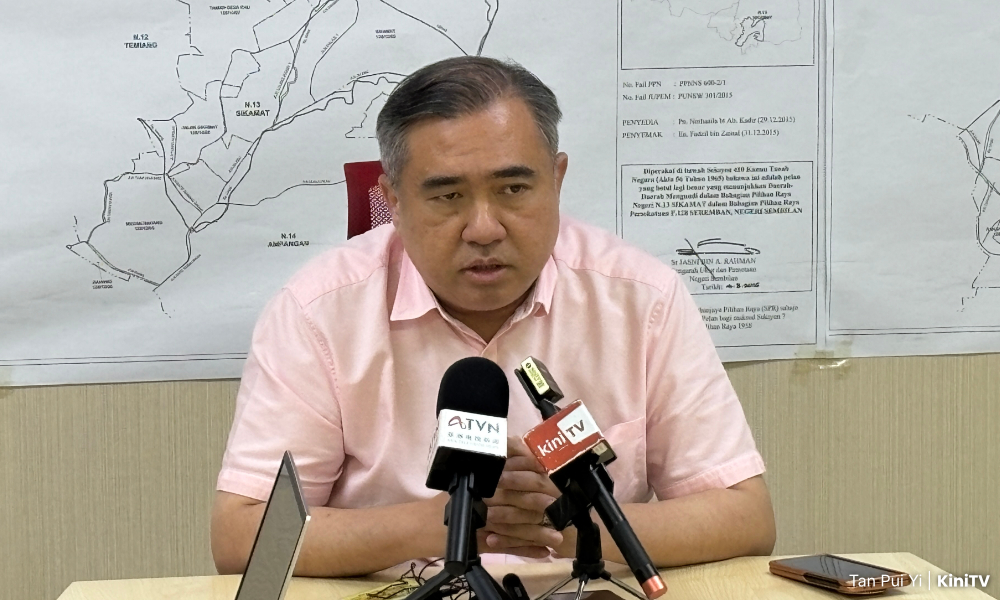
Anthony Loke
The party he led in the state won nine out of 11 seats - a good outcome when partners struggled to hold onto seats.
DAP will have to make a hard decision about staying in a coalition where they are carrying the other partners and, in doing so, losing their base.
6. Bersatu bombed - Bersatu continued its disastrous electoral performance. The party only secured 2.5 percent of the popular vote and lost its deposit in 21 of the 22 seats it contested (Jeram Padang being the exception).
While the party is likely to continue to fight on in Malacca, the party’s survival depends on new leadership. Holding on too long to power has costs.
The party he led in the state won nine out of 11 seats - a good outcome when partners struggled to hold onto seats.
DAP will have to make a hard decision about staying in a coalition where they are carrying the other partners and, in doing so, losing their base.
6. Bersatu bombed - Bersatu continued its disastrous electoral performance. The party only secured 2.5 percent of the popular vote and lost its deposit in 21 of the 22 seats it contested (Jeram Padang being the exception).
While the party is likely to continue to fight on in Malacca, the party’s survival depends on new leadership. Holding on too long to power has costs.
Ironically, Bersatu’s effective (although not formal) departure from PN facilitated the cooperation between PN and BN, and also led to its own marginalisation.
Looking ahead
7. Indian representation - The Indian swing from Harapan provided BN-PN with a two-thirds victory but did not yield a single Indian representative into government.
The need to address the concerns of this community is pressing, and expectations are high given disappointments. The reality is that this community has swung in the past and will do so again.
8. BN-PN federal government is not guaranteed in a general election. A general election cannot be equated with a state election.
History showed in 2022 that the political terrain from Johor state polls that secured a BN supermajority to the general election shifted within months.
A day is a long time in politics. Swings are the norm in Malaysian politics, especially since 2018. Youth voting power assures that uncertainty and fluidity are electorally ever-present.
History has also shown that a BN and PAS alliance is not an easy one, despite smiles and platitudes. Malay unity - like that of all communities - is an ideal paralleled by a reality of competition, rivalries and distrust. Malay unity similarly is overstated.
9. Anwar Ibrahim’s time for legacy building. Negeri Sembilan polls provide yet another opportunity for a crossroads for the prime minister, reaching 80 years next year.
The decision is what to fight for - staying in power or changing course and leaving greater empowerment.
With at most a year left in office (likely less), Anwar has the opportunity to put in place a legacy of political reforms and institution building, in areas such as electoral redelineation and more. Anything is a step forward.
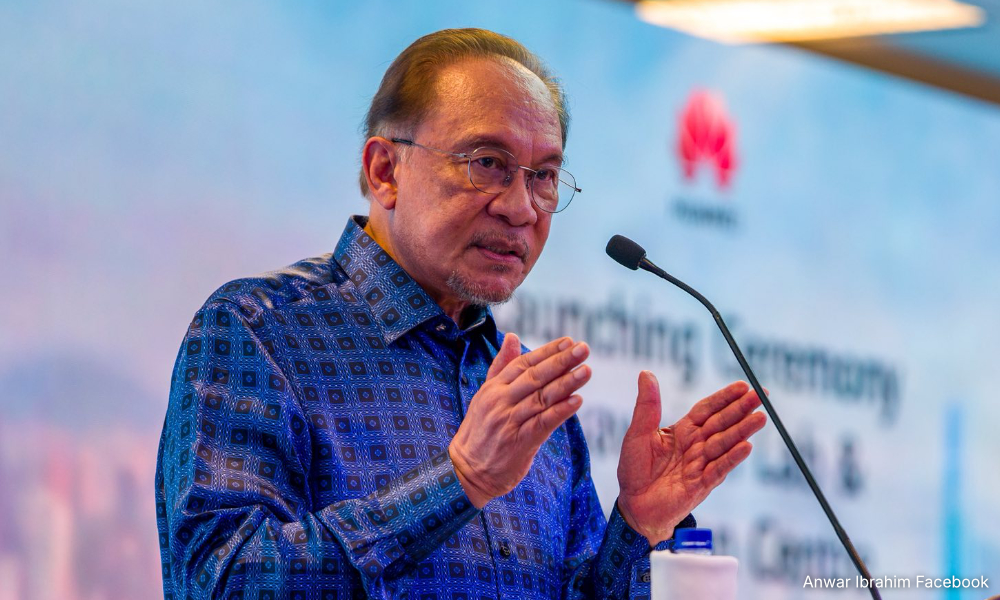
Prime Minister Anwar Ibrahim
He can build on the strong macroeconomic performance of the administration as well as the strengthening of a social welfare system.
Importantly, he can tap into his strengths of bridge-building.
Unless he does so, the lame duck refrain will grow, and effective governance will erode.
Legacy building is the most viable path ahead for strengthening his coalition. An unwillingness to do so could result in losing elections overshadowing his tenure - a disservice for his service.
The nine truths, taken together
None of these nine truths stands alone, and that is precisely what makes this election instructive.
Negeri Sembilan was not lost to any single gaffe, seat, or community; it was lost to the accumulation of unaddressed grievances that a two-thirds federal majority made easy to ignore, where compromises for staying in power overshadowed the promises made to voters.
Every hard truth listed here is the product of choices, not fate.
Negeri Sembilan will not be remembered for its results. It will be remembered for whether lessons are learned from it.
BRIDGET WELSH is an honorary research associate of the University of Nottingham’s Asia Research Institute and a senior associate fellow at The Habibie Centre. Her writings can be found at bridgetwelsh.com
Importantly, he can tap into his strengths of bridge-building.
Unless he does so, the lame duck refrain will grow, and effective governance will erode.
Legacy building is the most viable path ahead for strengthening his coalition. An unwillingness to do so could result in losing elections overshadowing his tenure - a disservice for his service.
The nine truths, taken together
None of these nine truths stands alone, and that is precisely what makes this election instructive.
Negeri Sembilan was not lost to any single gaffe, seat, or community; it was lost to the accumulation of unaddressed grievances that a two-thirds federal majority made easy to ignore, where compromises for staying in power overshadowed the promises made to voters.
Every hard truth listed here is the product of choices, not fate.
Negeri Sembilan will not be remembered for its results. It will be remembered for whether lessons are learned from it.
BRIDGET WELSH is an honorary research associate of the University of Nottingham’s Asia Research Institute and a senior associate fellow at The Habibie Centre. Her writings can be found at bridgetwelsh.com
No comments:
Post a Comment