
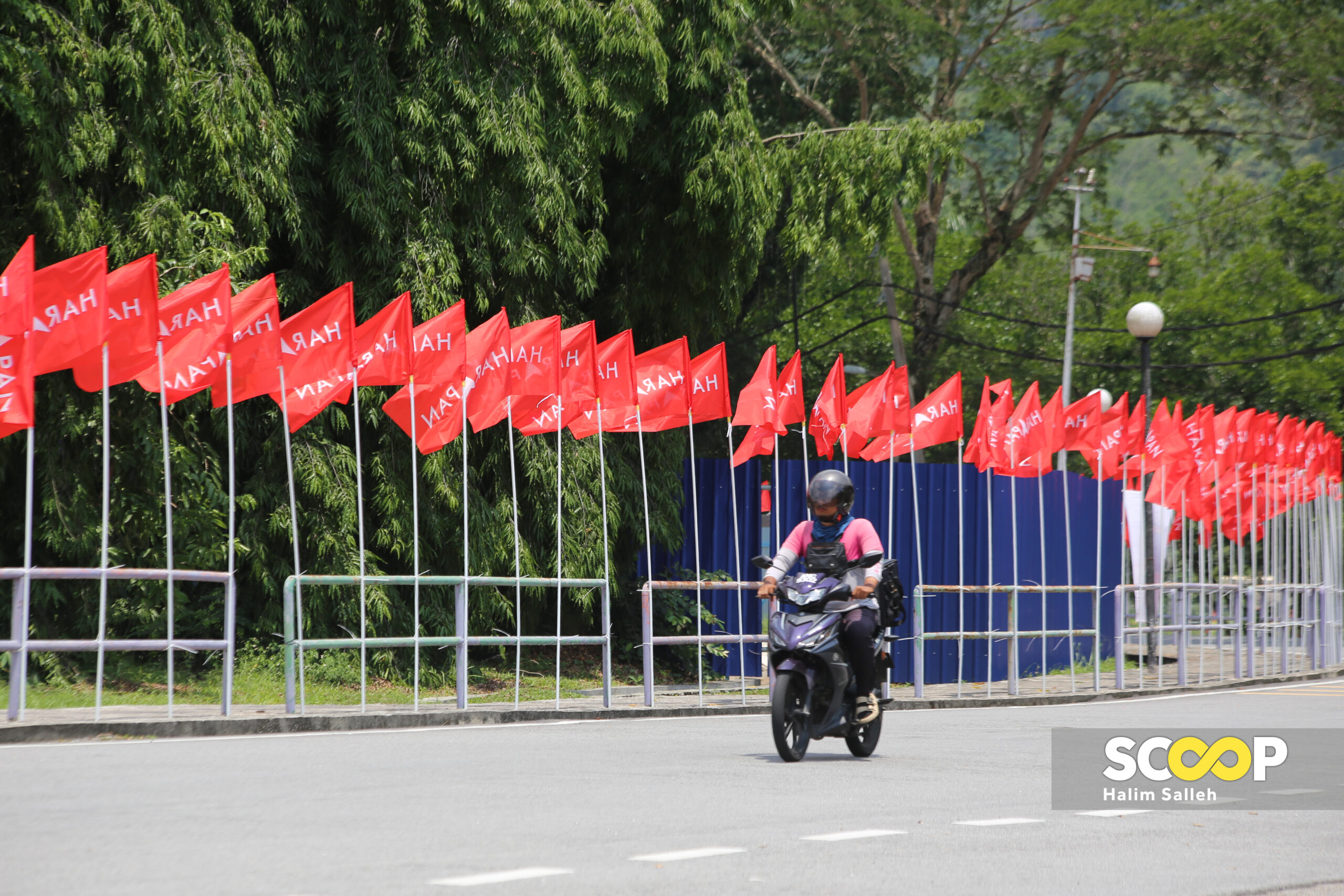
Selangor is Pakatan Harapan's flagship state, yet today many supporters are beginning to ask whether the government still remembers why it was elected in the first place. - Scoop file pic, June 23, 2026
Is PH trying to lose Selangor? – Terence Fernandez
With a series of hairbrain and controversial policies and rules the PKR-DAP-Amanah coalition seems to be going out of its way to return to the Opposition bench

Terence Fernandez
Updated 6 seconds ago
23 June, 2026
8:30 PM MYT
What exactly is Selangor PH trying to do?
Is PH trying to lose Selangor? – Terence Fernandez
With a series of hairbrain and controversial policies and rules the PKR-DAP-Amanah coalition seems to be going out of its way to return to the Opposition bench
Terence Fernandez
Updated 6 seconds ago
23 June, 2026
8:30 PM MYT
What exactly is Selangor PH trying to do?
That is no longer a rhetorical question.
Because no rational political strategist looking at Johor, Negeri Sembilan and the possibility of a general election would advise a government to repeatedly antagonise non-Muslim voters.
Yet that is precisely what the Selangor government appears determined to do.
First, pig farming.
Yet that is precisely what the Selangor government appears determined to do.
First, pig farming.
Then repressive guidelines for non-Muslim places of worship – which had since been loosened following public push back.
Then it is halal and non-halal waste segregation. (Which now they say is meant more for businesses)
One controversy may be accidental.
Two may be poor judgment.
Three becomes a pattern.
And patterns demand explanation.
One controversy may be accidental.
Two may be poor judgment.
Three becomes a pattern.
And patterns demand explanation.
Unless, of course, the objective is exactly what it appears to be: sacrificing non-Muslim support in a desperate attempt to shore up Malay-Muslim votes.
If so, it may well be the most reckless political gamble undertaken by Pakatan Harapan (PH) since its formation.
But where on earth are the DAP exco members?
If so, it may well be the most reckless political gamble undertaken by Pakatan Harapan (PH) since its formation.
But where on earth are the DAP exco members?
There are four of them sitting around the Selangor executive council table.
Did they object to these policies?
Did they fight against them?
Did they lose the argument?
Or did they simply remain silent?
The DAP once built political careers attacking MCA for exactly this kind of back boneless conduct.
Where are the voices of elected representatives who once claimed they would never compromise on principles?
Are the ministers and exco members who now seem unable—or unwilling—to explain why non-Muslims should continue placing their trust in them?
Even PAS, which rules four states, has not imposed on non-Muslims in such a manner.
At least MCA never pretended to be anything else.
DAP spent decades promising it would be different.
The question many voters are beginning to ask is whether they were simply sold a more sophisticated version of the same product.
Did they fight against them?
Did they lose the argument?
Or did they simply remain silent?
The DAP once built political careers attacking MCA for exactly this kind of back boneless conduct.
Where are the voices of elected representatives who once claimed they would never compromise on principles?
Are the ministers and exco members who now seem unable—or unwilling—to explain why non-Muslims should continue placing their trust in them?
Even PAS, which rules four states, has not imposed on non-Muslims in such a manner.
At least MCA never pretended to be anything else.
DAP spent decades promising it would be different.
The question many voters are beginning to ask is whether they were simply sold a more sophisticated version of the same product.
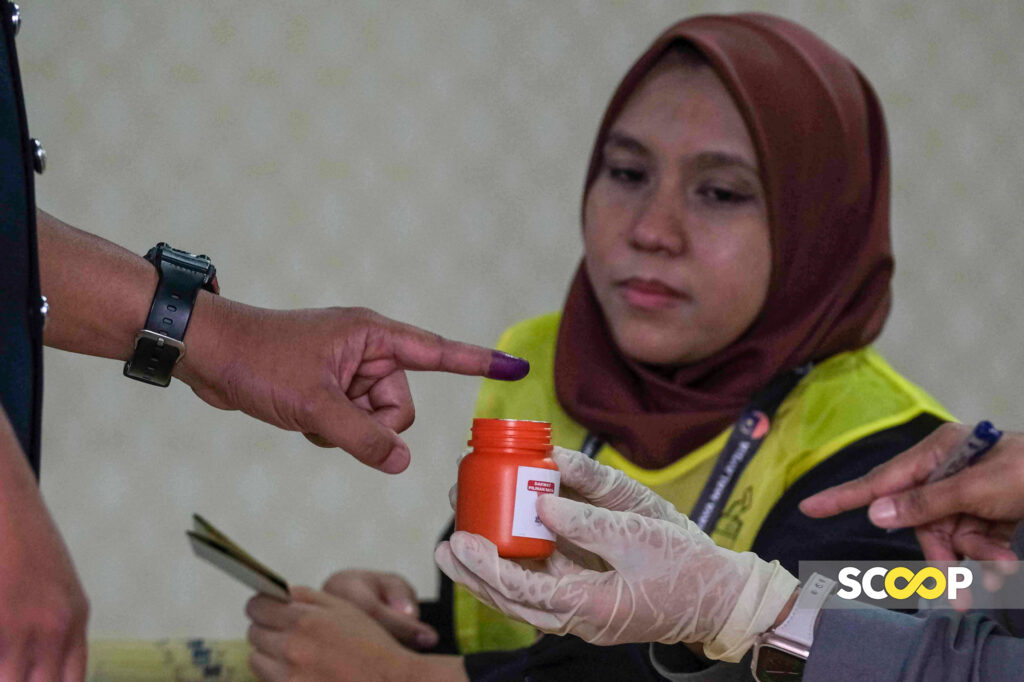
The Johor state election is scheduled to be held on July 11, while the Negeri Sembilan state election is scheduled for August 1. – Scoop pic file, June 23, 2026
Johor and Negeri Sembilan may provide the answer.
And if enough voters decide they have had enough, Selangor PH may discover that the road to losing Putrajaya begins not in Kedah, Kelantan or Terengganu—but in its own backyard.
Every time the government has an opportunity to reassure non-Muslims that their concerns matter, it instead chooses to create another controversy.
And then acts surprised when people react, then fall over themselves trying to explain then “review” the guidelines.
So the question is simple.
Why?
Because even an amateur politician can anticipate the reaction.
Johor and Negeri Sembilan may provide the answer.
And if enough voters decide they have had enough, Selangor PH may discover that the road to losing Putrajaya begins not in Kedah, Kelantan or Terengganu—but in its own backyard.
Every time the government has an opportunity to reassure non-Muslims that their concerns matter, it instead chooses to create another controversy.
And then acts surprised when people react, then fall over themselves trying to explain then “review” the guidelines.
So the question is simple.
Why?
Because even an amateur politician can anticipate the reaction.
Because politically, none of this makes any sense.
Johor is heading into a crucial state election.
Negeri Sembilan is facing its own political uncertainties.
There is growing speculation of an early general election should the political stars align.
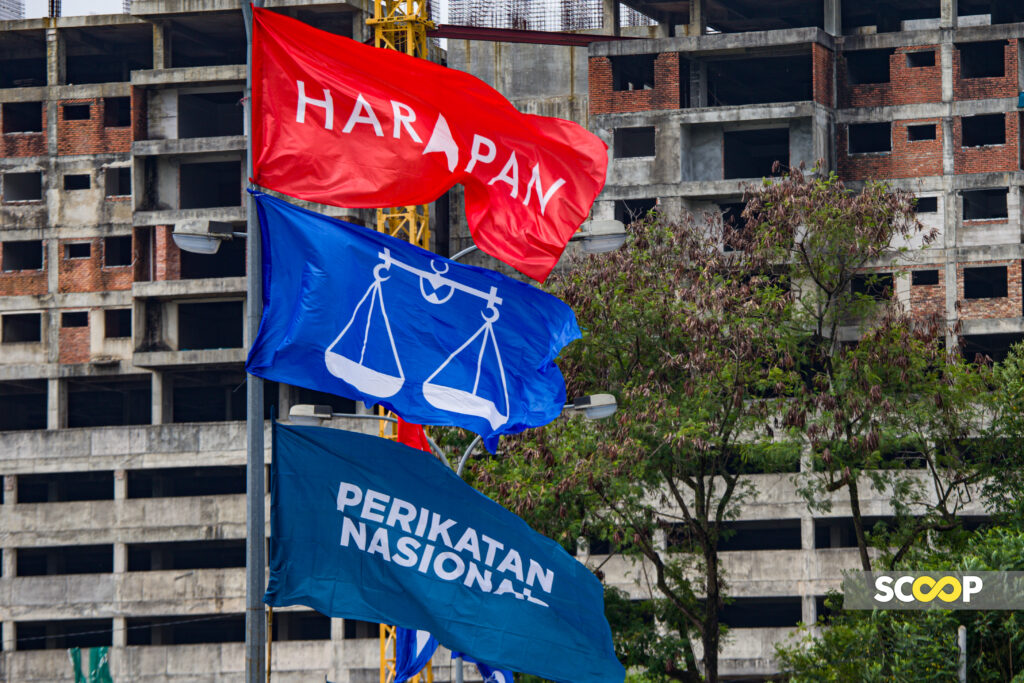
If PH believes it can out-Islamise parties whose entire existence revolves around Malay-Muslim politics, it is embarking on a contest it cannot win. – Scoop file pic, June 23, 2026
Yet instead of consolidating support among its traditional voter base, Selangor PH appears determined to test the limits of their patience.
For decades, non-Muslims were told that voting for Pakatan Harapan would ensure fairness, moderation and balance.
Even so, when PAS was part of Pakatan Rakyat which wrested Selangor and three other states.
Today they are being told that pig farms must go.
That obtaining approval for non-Muslim houses of worship remains a bureaucratic obstacle course.
That rubbish must now apparently be viewed through a religious lens.
The explanations are almost irrelevant.
For decades, non-Muslims were told that voting for Pakatan Harapan would ensure fairness, moderation and balance.
Even so, when PAS was part of Pakatan Rakyat which wrested Selangor and three other states.
Today they are being told that pig farms must go.
That obtaining approval for non-Muslim houses of worship remains a bureaucratic obstacle course.
That rubbish must now apparently be viewed through a religious lens.
The explanations are almost irrelevant.
Because politics is ultimately about the message being received.
And that message is crystal clear.
The sensitivities of one community appear to matter far more than the concerns of everyone else.
Take the pig farming issue. The state government insists this is about environmental management.
Fine.
Take the pig farming issue. The state government insists this is about environmental management.
Fine.
Then regulate and manage sensitivities. Not wait for the issue to fester until the Palace has to intervene.
Now the solution appears to be the complete eradication of an industry that serves a substantial section of the population.
Imagine if a state government decided that cattle farming should be phased out and all beef imported instead.
But because the industry involved is pig farming, many politicians seem to believe there is little political cost.
Then there is the issue of non-Muslim places of worship.
Now the solution appears to be the complete eradication of an industry that serves a substantial section of the population.
Imagine if a state government decided that cattle farming should be phased out and all beef imported instead.
But because the industry involved is pig farming, many politicians seem to believe there is little political cost.
Then there is the issue of non-Muslim places of worship.
This is not merely about planning guidelines.
It is about confidence. It is about whether non-Muslims feel they are equal stakeholders
Every new restriction, every new hurdle, every new guideline sends a signal.
Every new restriction, every new hurdle, every new guideline sends a signal.
And increasingly that signal is that non-Muslims must constantly justify their presence.
The latest halal and non-halal waste controversy only reinforces the growing belief that the government is obsessed with demonstrating its Islamic credentials.
One cannot help but wonder whether Selangor PH has become trapped in a competition to prove who can be more accommodating to conservative Malay-Muslim sentiment.
If that is the strategy, then someone should remind them of a simple political fact.
Voters generally prefer the original over the imitation.
If PH believes it can out-Islamise parties whose entire existence revolves around Malay-Muslim politics, it is embarking on a contest it cannot win.
What it will succeed in doing is alienating the very voters who brought it to power.
And that is where the situation becomes truly bizarre.
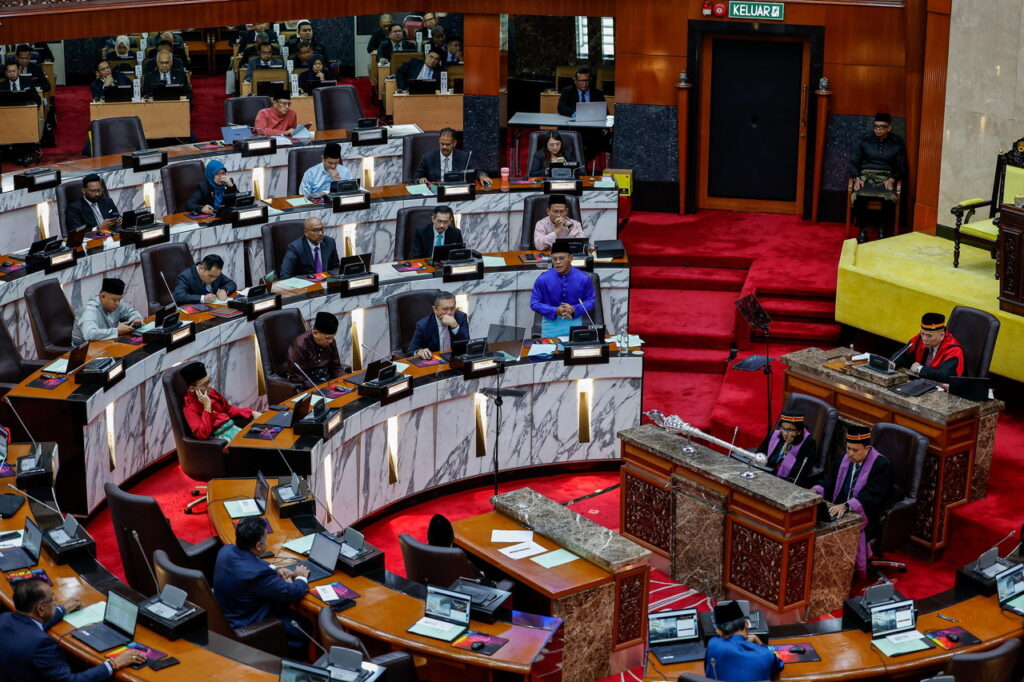
A series of controversial decisions has raised questions over whether the PKR–DAP–Amanah coalition is inadvertently paving the way back to the Opposition benches. – Bernama pic, June 23, 2026
Because who exactly is advising the Selangor government?
Who looked at the electoral map and concluded that the best way forward was to antagonise Chinese and Indian voters while hoping to gain support from voters who have never trusted PH in the first place?
Or is it that they have concluded that non-Muslims have nowhere else to go.
Who looked at the electoral map and concluded that the best way forward was to antagonise Chinese and Indian voters while hoping to gain support from voters who have never trusted PH in the first place?
Or is it that they have concluded that non-Muslims have nowhere else to go.
That they will grumble, complain and eventually vote PH anyway because the alternatives are worse.
That is not a strategy.
That is contempt.
And contempt for voters has destroyed more governments than opposition parties ever could.
The tragedy for PH is that it does not need to lose non-Muslim votes to suffer politically.
It merely needs those voters to stop caring.
And contempt for voters has destroyed more governments than opposition parties ever could.
The tragedy for PH is that it does not need to lose non-Muslim votes to suffer politically.
It merely needs those voters to stop caring.
To stay home.
To decide that there is little difference between today’s PH and the governments PH once condemned.
That is how political decline begins.
That is how political decline begins.
Not with dramatic defeats.
But with disappointment and cynicism.
Selangor is PH’s flagship state.
Selangor is PH’s flagship state.
The jewel in its crown.
The model it constantly points to as proof of competent governance in a multiracial multifaith state.
Yet today many supporters are beginning to ask whether the government still remembers why it was elected in the first place.
Because from where they are sitting, it increasingly looks as though Selangor PH especially is trying very hard to lose the people who carried it to power. – June 23, 2026
The model it constantly points to as proof of competent governance in a multiracial multifaith state.
Yet today many supporters are beginning to ask whether the government still remembers why it was elected in the first place.
Because from where they are sitting, it increasingly looks as though Selangor PH especially is trying very hard to lose the people who carried it to power. – June 23, 2026
Terence Fernandez is Group Editor in Chief of Big Boom Media which publishes Scoop
***
No comments:
Post a Comment