


Hanipa Maidin
Published: Mar 24, 2026 10:04 AM
Updated: 1:04 PM
COMMENT | On March 21, 2026, it was reported that former Federal Bureau of Investigation (FBI) director and special counsel Robert Mueller died at the age of 81 following a battle with Parkinson's disease.
Following the announcement, Donald Trump posted on his Truth Social platform, stating, “Robert Mueller just died. Good, I'm glad he's dead. He can no longer hurt innocent people!"
Critics and even some Republican lawmakers quickly characterised such an irresponsible response as a "callous" and "disturbing" reaction to the death of a former law enforcement official.
Needless to say, the reaction drew broad condemnation and was interpreted by many as an expression of his long-standing disdain for the investigation into Russian interference in the 2016 election.
By openly expressing joy over the passing of Mueller, Trump appeared to be in a state of acute delirium. His rhetoric stood in stark contrast to the standard of offering sympathy to a grieving family, showing a deep-seated personal animosity instead.
Treat deaths with solemnity
As far as I know, even in Christianity - let alone Islam - the death of an individual is always treated with solemnity, and celebrating the demise of any person - even an enemy - is generally discouraged as a departure from the heart of the faith.
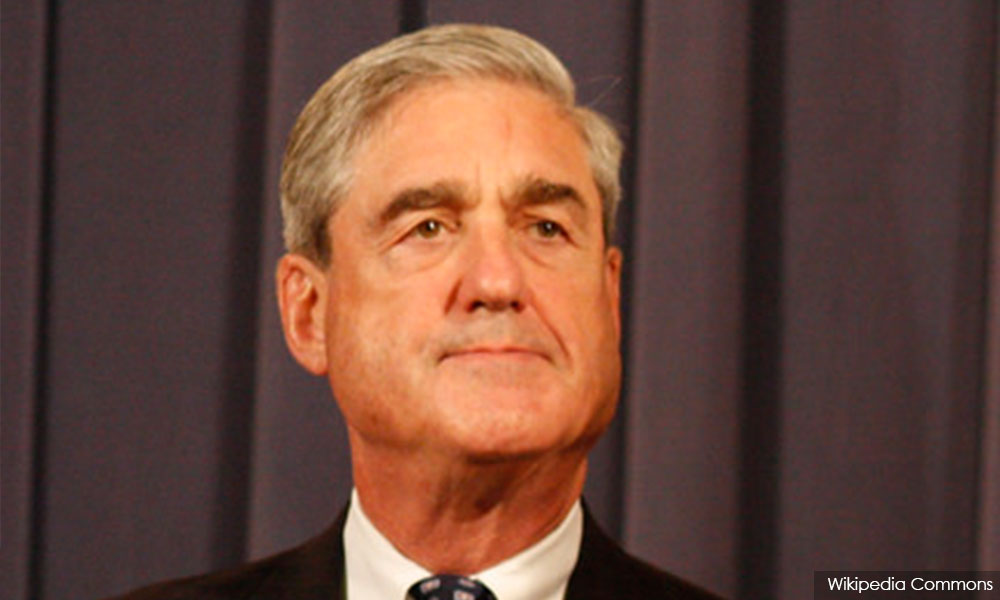
Robert Mueller
In Islam, we are often taught to respect the deceased and show compassion to the grieving. Expressing joy at someone's passing contradicts the “adab” (etiquette) of a believer, which calls for mercy and dignity even toward those we disagree with.
Islamic tradition teaches and guides Muslims that once a person dies, they are beyond human judgment. The Prophet Muhammad (PBUH) notably stood up out of respect for a passing Jewish funeral procession.
Some of the companions tried to remind the Prophet under the assumption that he had not realised the deceased was not a Muslim. The Prophet simply stated, "Is it not a human soul?” (تﺳﯾﻟا ﺎﺳﻔﻧ ).
The aforesaid story drives home some key lessons. While Muslims may feel relief when an oppressor's harm ends, openly mocking the dead is stricto sensu (in the strict sense) forbidden as it causes unnecessary pain to the living and reflects a lack of character.
‘Don’t revile the dead’
In his renowned biography, “Muhammad: His Life Based on the Earliest Sources”, Martin Lings (Abu Bakr Siraj ad-Din ﷲ ﮫﻣﺣر ) describes the atmosphere following the Conquest of Mecca.
When Ikrimah ibn Abi Jahl - who had been a staunch enemy himself - decided to embrace Islam, the Prophet gave a specific command to his companions to ensure a gracious welcome.
In Islam, we are often taught to respect the deceased and show compassion to the grieving. Expressing joy at someone's passing contradicts the “adab” (etiquette) of a believer, which calls for mercy and dignity even toward those we disagree with.
Islamic tradition teaches and guides Muslims that once a person dies, they are beyond human judgment. The Prophet Muhammad (PBUH) notably stood up out of respect for a passing Jewish funeral procession.
Some of the companions tried to remind the Prophet under the assumption that he had not realised the deceased was not a Muslim. The Prophet simply stated, "Is it not a human soul?” (تﺳﯾﻟا ﺎﺳﻔﻧ ).
The aforesaid story drives home some key lessons. While Muslims may feel relief when an oppressor's harm ends, openly mocking the dead is stricto sensu (in the strict sense) forbidden as it causes unnecessary pain to the living and reflects a lack of character.
‘Don’t revile the dead’
In his renowned biography, “Muhammad: His Life Based on the Earliest Sources”, Martin Lings (Abu Bakr Siraj ad-Din ﷲ ﮫﻣﺣر ) describes the atmosphere following the Conquest of Mecca.
When Ikrimah ibn Abi Jahl - who had been a staunch enemy himself - decided to embrace Islam, the Prophet gave a specific command to his companions to ensure a gracious welcome.
The Prophet was reported to have said to his companions, "Ikrimah, the son of Abu Jahl, shall come to you as a believer and a refugee (Muhajir). Do not revile his father, for reviling the dead causes grief to the living and does not reach the dead”.
As far as Islam is concerned, mocking the father would only create a barrier to the son's heart and his transition into the community.
The story also reinforces the Islamic principle that the dead have already gone to their Creator for judgment. Humans continuing to "score points" against them serves no spiritual purpose.
Anyway, the harm caused to Ikrimah’s feelings (the living) was weighed more heavily than the "truth" of Abu Jahl’s (the dead) misdeeds.
MOHAMED HANIPA MAIDIN is former deputy law minister.
***
The moronic idiot is not even a human being, but an uncivilised, uncouthly, low-level scumbag, an evil monstrosity.
No comments:
Post a Comment