

12 GRS reps holding Sabah govt 'ransom' over state cabinet line-up?
Published: Dec 2, 2025 2:16 PM
Updated: 5:51 PM
Sabah’s post-election calm is fraying barely a day after the new cabinet was unveiled, with a dozen Gabungan Rakyat Sabah (GRS) assemblypersons and a handful of independents signalling open resentment over the composition of the state government.
What began as muted grumbling in private WhatsApp groups has spilt dramatically into the open, with several lawmakers effectively holding the Chief Minister Hajiji Noor-led administration ransom, by airing threats, frustrations, and political warnings online.
At the heart of their anger is the inclusion of national party leaders in the cabinet.
Umno’s Jafry Ariffin was appointed Sabah tourism minister, while PKR’s Jamawi Ja’afar was given the state agriculture portfolio.
For leaders who had spent the entire campaign rallying around the slogan “rumah kita, kita jaga, (our home, we manage)”, the appointments were quickly interpreted as a betrayal of the promise to build a Sabahan-led government free of national party influence.
Updated: 5:51 PM
Sabah’s post-election calm is fraying barely a day after the new cabinet was unveiled, with a dozen Gabungan Rakyat Sabah (GRS) assemblypersons and a handful of independents signalling open resentment over the composition of the state government.
What began as muted grumbling in private WhatsApp groups has spilt dramatically into the open, with several lawmakers effectively holding the Chief Minister Hajiji Noor-led administration ransom, by airing threats, frustrations, and political warnings online.
At the heart of their anger is the inclusion of national party leaders in the cabinet.
Umno’s Jafry Ariffin was appointed Sabah tourism minister, while PKR’s Jamawi Ja’afar was given the state agriculture portfolio.
For leaders who had spent the entire campaign rallying around the slogan “rumah kita, kita jaga, (our home, we manage)”, the appointments were quickly interpreted as a betrayal of the promise to build a Sabahan-led government free of national party influence.
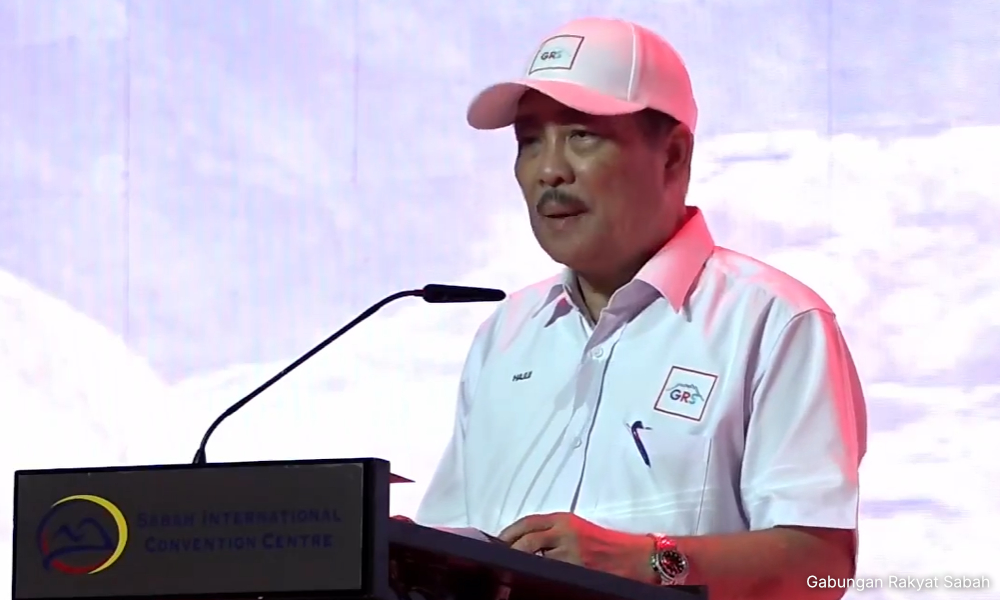
CM Hajiji Noor
Several disgruntled assemblypersons have allegedly privately said the coalition is now “compromised”, arguing that the “Sabah first” message has been diluted, the moment national figures were placed in key portfolios.
Adding to their frustration is the recent behaviour of certain BN leaders, particularly Lamag assemblyperson Bung Moktar Radin, who publicly called the former GRS government “a failed government” during the Sabah election campaign.
Apart from the 12 GRS assemblypersons, five independents - Maijol Mahap, Jordan Angin, Rina Jainnal, Fairuz Renddan, and Awang Ahmad Sah Sahari - are understood to be aligned with the dissatisfied group, giving the rebellion the potential to snowball into a sizeable parliamentary-style faction inside the state assembly.
Masiung goes public, others simmer
From the GRS side, Malaysiakini was able to identify some of the assemblypersons, including Masiung Banah of Kuamut, Ruddy Awah of Pitas and Isnin Aliasnih of Klias.
More names are circulating in internal chats, but the three above are the only ones verified through their own posts or through multiple divisional sources.
Masiung made little effort to hide his resentment. On his official media page, he wrote: “Twelve GRS held constituencies are now potential by-election seats, including Kuamut.”
Several disgruntled assemblypersons have allegedly privately said the coalition is now “compromised”, arguing that the “Sabah first” message has been diluted, the moment national figures were placed in key portfolios.
Adding to their frustration is the recent behaviour of certain BN leaders, particularly Lamag assemblyperson Bung Moktar Radin, who publicly called the former GRS government “a failed government” during the Sabah election campaign.
Apart from the 12 GRS assemblypersons, five independents - Maijol Mahap, Jordan Angin, Rina Jainnal, Fairuz Renddan, and Awang Ahmad Sah Sahari - are understood to be aligned with the dissatisfied group, giving the rebellion the potential to snowball into a sizeable parliamentary-style faction inside the state assembly.
Masiung goes public, others simmer
From the GRS side, Malaysiakini was able to identify some of the assemblypersons, including Masiung Banah of Kuamut, Ruddy Awah of Pitas and Isnin Aliasnih of Klias.
More names are circulating in internal chats, but the three above are the only ones verified through their own posts or through multiple divisional sources.
Masiung made little effort to hide his resentment. On his official media page, he wrote: “Twelve GRS held constituencies are now potential by-election seats, including Kuamut.”

Kuamut assemblyperson Masiung Banah
On his personal Facebook page, he added: “I will call a press conference very soon.”
Both posts were widely circulated, fuelling speculation that several assemblypersons may be contemplating mass resignations or at least using that threat to negotiate for cabinet-level placements.
However, under Sabah’s anti-party hopping law, Masiung’s claim of an automatic by-election is not entirely accurate, since a GRS assemblyperson who withdraws support from the chief minister does not lose his seat unless he resigns from his party.
Isnin walked out of Istana meeting?
One viral message, believed to have originated from a divisional GRS WhatsApp channel, claimed that Isnin walked out of Istana Seri Kinabalu when the cabinet list was being finalised.
Meanwhile, a photo of the disgruntled group having dinner together at a hotel went viral overnight, inviting new rounds of speculation.
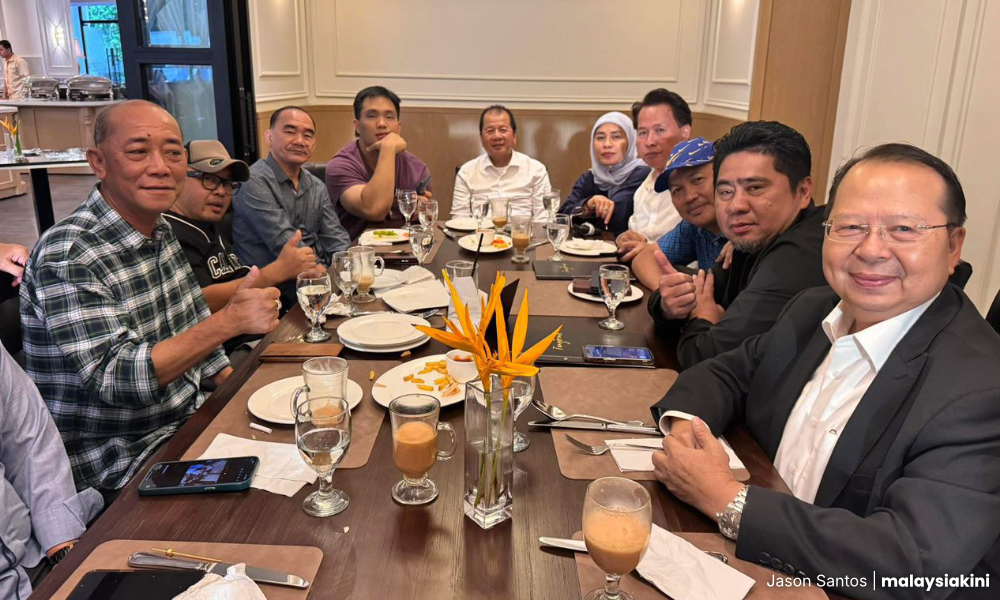
When one of them was asked what the meeting was about, the reply was brief: “We are just having coffee.”
Malaysiakini has not independently verified all claims. Attempts by Malaysiakini to contact the disgruntled assemblypersons were ignored, with several choosing instead to express their anger through vague Facebook captions, WhatsApp status updates, and forwarded screenshots.
Long-time political observers say this pattern usually indicates coordinated pressure, a precursor to bargaining for positions in a still fluid administration.
‘Use proper channels if dissatisfied’
Last night, GRS deputy secretary-general Armizan Ali issued a sharp reminder that governance cannot be dictated through anonymous WhatsApp forwards or cryptic online statements.
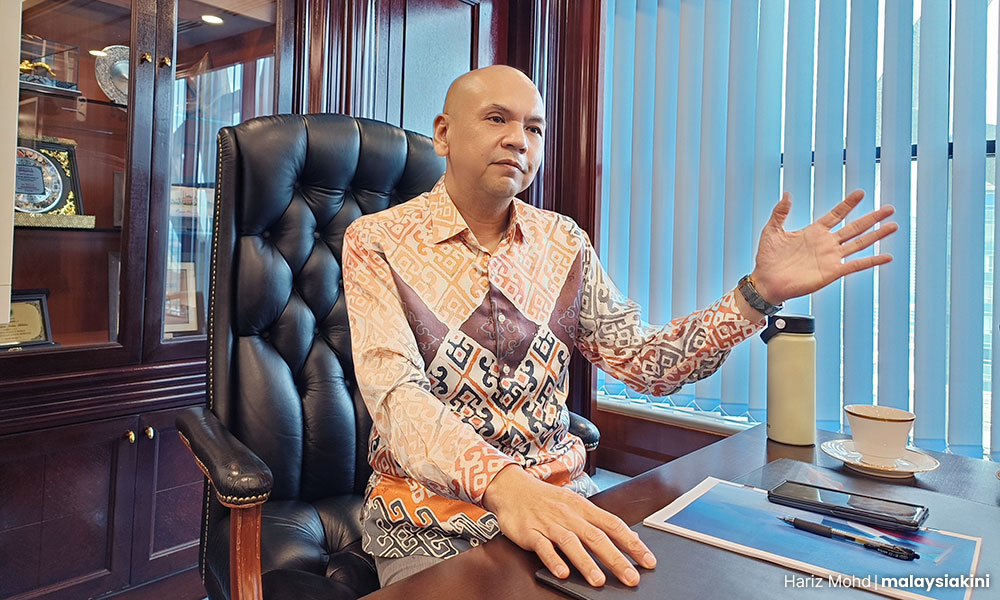
GRS deputy secretary general Armizan Ali
Without naming individuals, Armizan said the coalition “will not be swayed by threats circulated through WhatsApp groups or indirect political messaging.”
He urged dissatisfied assemblypersons to raise concerns through formal channels, stressing that forming a government required political sacrifice and that not every constituency could be represented in the first round of cabinet appointments.
Armizan warned that online agitation risked “undermining public confidence and destabilising a government that has only just begun its work.”
He also rejected claims that the inclusion of national party leaders compromised GRS’ “Sabah first” framework, arguing that the wider political arrangement was necessary to secure a functioning and stable government.
For now, the revolt appears to be only on the digital front. No assemblypersons have formally quit GRS, declared independence, or withdrawn support.
But the open dissatisfaction suggests deeper tension within the coalition, particularly over identity, representation and the meaning of the “Sabah first” politics now that national parties occupy key ministries.
Hajiji commands at least 46 assemblypersons, but if the disgruntled GRS dozen and five independents withdraw support, his numbers would plunge below the 37-seat threshold, placing the administration at risk of collapse.
Most of the dissatisfaction erupted online last night, but none of it has translated into action yet.
Without naming individuals, Armizan said the coalition “will not be swayed by threats circulated through WhatsApp groups or indirect political messaging.”
He urged dissatisfied assemblypersons to raise concerns through formal channels, stressing that forming a government required political sacrifice and that not every constituency could be represented in the first round of cabinet appointments.
Armizan warned that online agitation risked “undermining public confidence and destabilising a government that has only just begun its work.”
He also rejected claims that the inclusion of national party leaders compromised GRS’ “Sabah first” framework, arguing that the wider political arrangement was necessary to secure a functioning and stable government.
For now, the revolt appears to be only on the digital front. No assemblypersons have formally quit GRS, declared independence, or withdrawn support.
But the open dissatisfaction suggests deeper tension within the coalition, particularly over identity, representation and the meaning of the “Sabah first” politics now that national parties occupy key ministries.
Hajiji commands at least 46 assemblypersons, but if the disgruntled GRS dozen and five independents withdraw support, his numbers would plunge below the 37-seat threshold, placing the administration at risk of collapse.
Most of the dissatisfaction erupted online last night, but none of it has translated into action yet.
***
Warisan waiting patiently like Sang Buaya, wakakaka


No comments:
Post a Comment