Russia ‘May Not Exist Without Its Nuclear Weapons’ - Security Council Deputy Warns Amid NATO Threats
Eastern Europe and Central Asia , Missile and Space
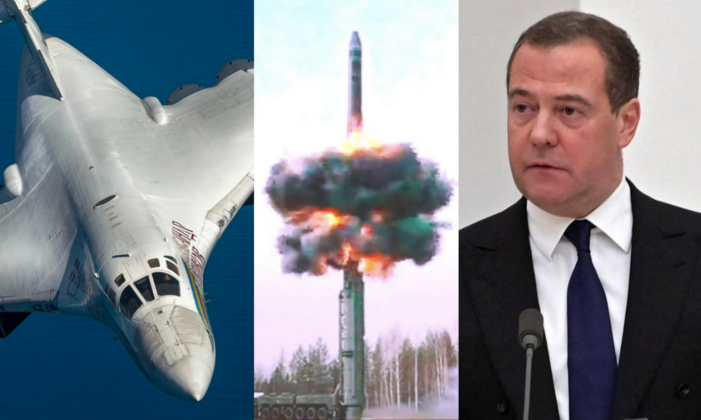
Speaking to Russian state media, Deputy Chairman of the Russian Security Council Dmitry Medvedev recently stressed the importance of the country’s nuclear deterrent in guaranteeing its continued existence, at a time of mounting perceived threats from the Western world. “Without nuclear weapons, it is quite possible that our country would no longer exist. Whether that be the Soviet Union then or Russia today,” he observed, while predicting a new era of nuclear proliferation and further escalation of the nuclear arms race between Russia and the Western Bloc. His statement follows multiple allusions by Western analysts and officials to the fact that should Russia not have had a capable nuclear deterrent, it likely would have come under attack by NATO members collectively.
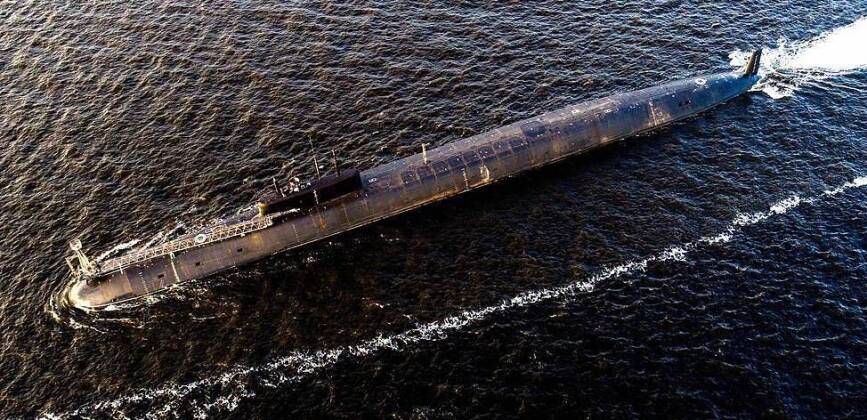
In November 2024 hair of the NATO Military Committee Admiral Rob Bauer highlighted the key role played by Russia’s nuclear forces in deterring the Western world from initiating an open conflict with Moscow directly. He stated that Russia’s nuclear arsenal was the central factor distinguishing it from the Taliban in Afghanistan regarding its ability to combat NATO forces. “I am absolutely sure if the Russians did not have nuclear weapons, we would have been in Ukraine, kicking them out,” he added. A year later in November 2025 former NATO Secretary General Jens Stoltenberg confirmed that the unacceptable risk of open conflict with a nuclear armed Russia was the primary factor preventing Western Bloc states from a more direct intervention in the Ukrainian theatre against Russia. He recalled that after the escalation of hostilities between Russia and Ukraine to full scale war in February 2022, NATO members made two key decisions during a meeting in Brussels. “One was to step up our support for Ukraine, as we did. The other was to do what we could to prevent this war from escalating beyond Ukraine and become a full-scale war between Russia and NATO,” he said. Then U.S. President Joe Biden stated at the time that “we will not risk a third world war for Ukraine.”
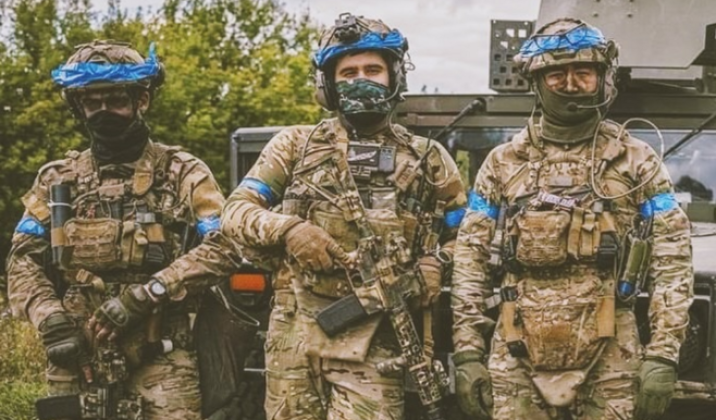
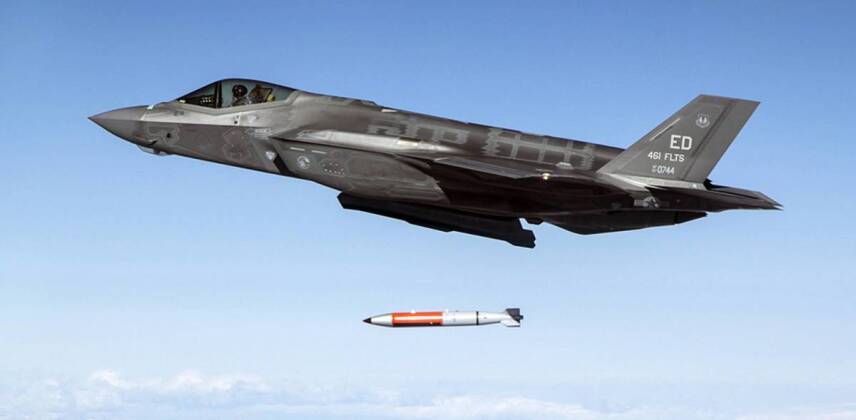
Russia’s nuclear deterrent gained newfound importance following the disintegration of the Soviet Union and extreme decline of Russia’s industrial base, tech sector, and conventional warfare capabilities, with the nuclear arsenal allowing it to asymmetrically counter larger Western Bloc forces arrayed against it in Eastern Europe, the Arctic and East Asia. Counterbalancing Russia’s nuclear forces, chairman of the Joint Chiefs of Staff nominee Dan Caine on April 1, 2025, stated that the United States was ready to consider entering into nuclear sharing agreements with more of the country’s NATO allies. "From a military perspective, expanding NATO allies’ participation in the nuclear deterrence mission in some capacity would enhance flexibility, survivability, and military capability. If confirmed, I will work... to evaluate the cost/benefit of such a decision," he added. Nuclear sharing agreements are already in place to allow British, German, Dutch, Turkish, Belgian and Italian fighter units to deliver American B61 nuclear bombs against Russian targets.
Despite concerns regarding the capabilities of Russia’s nuclear forces, European states have been highly willing to increase direct military involvement in the ongoing Russian-Ukrainian War, and played a leading role in lobbying Washington to increase arms supplies. French President Emmanuel Macron has on multiple occasions stated that greater deployments of ground forces in Ukraine are not ruled out as part of a policy to “do everything necessary to prevent Russia from winning this war,” with the French government having begun considering options for major ground force deployments to Ukraine from June 2023. Calls for such options to be considered have been raised by figures such as Estonian Prime Minister Kaja Kallas, Polish Foreign Minister Radoslaw Sikorski, Lithuanian Foreign Minister Gabrielius Landsbergis, and Finnish Foreign Minister Elina Valtonen, among others. In October 2025 French Land Forces Commander General Pierre Schill pledged that the country will be ready to deploy ground forces in Ukraine in 2026 if required. Such calls are expected to intensify as Ukrainian forces continue to take unsustainable losses on the frontlines.
Europe only really woke up to the renewed Russian threat after the 2022 Russian invasion of Ukraine.
ReplyDeleteEurope absolutely lacks any capability to occupy any Russia territory, so there is no such "NATO Threat".